





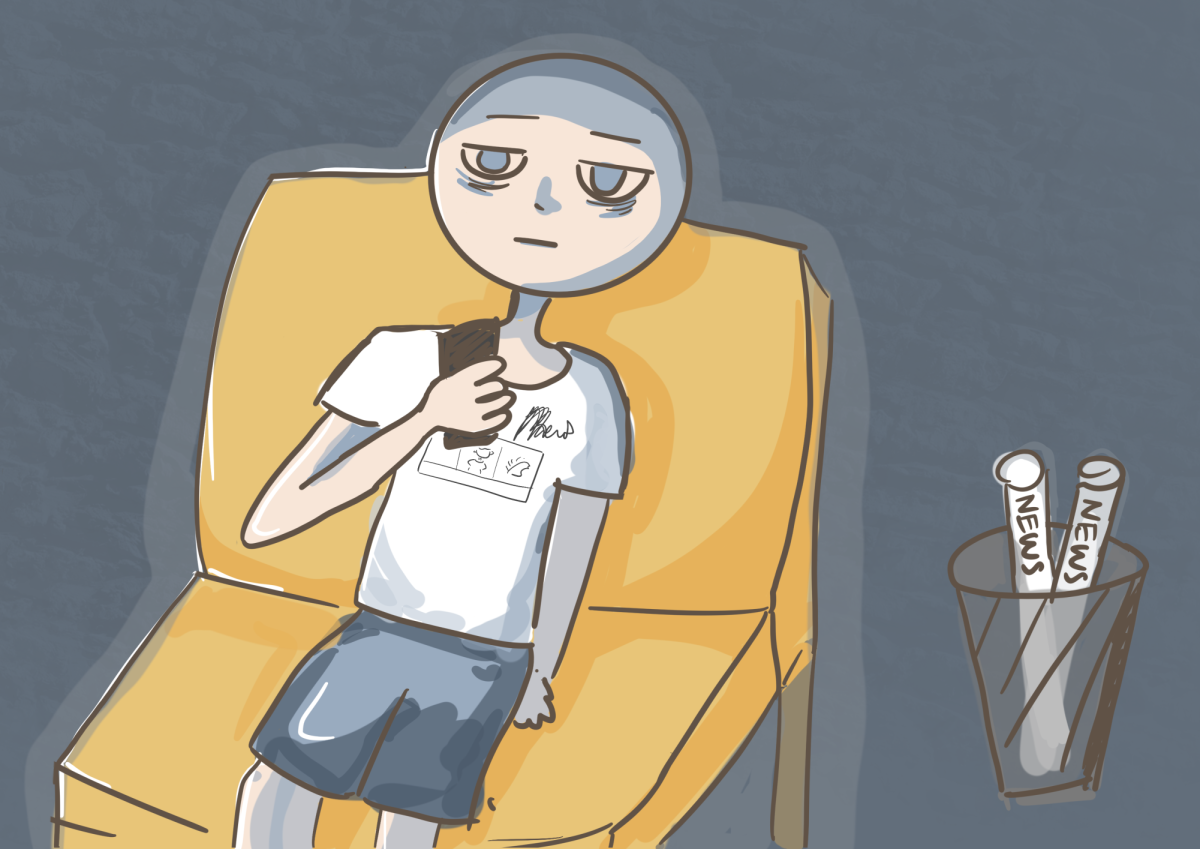



The term cancel culture has become one of the biggest buzzwords on social media in recent years. At its core, it means withdrawing support from someone because of something offensive or harmful they’ve said or done. With social media spreading information so quickly, high-profile individuals such as singers, athletes or influencers can find themselves canceled almost overnight.
A clear example of this played out on Season 7 of the popular reality show “Love Island.” Its fanbase follows contestants closely both on and off the show, often digging into past tweets, interviews and videos. When they uncover something offensive, they speak up about it loudly and in large volumes.
This season, the reaction was so strong that two contestants, Yulissa Escobar and Cierra Ortega, were removed from the show after old videos resurfaced of them making hateful comments. The incident highlights how quickly cancel culture can affect famous people’s careers and reputations, especially when millions of eyes are watching and sharing their findings online.
“I think there is a difference between holding someone accountable and just wanting their life to be over,” Ortega said in an interview when asked if cancel culture was too harsh. “The best part about the human experience is being able to make mistakes and grow from them … The idea that you can just cancel or erase someone from society, from relationships, from success — I don’t think that’s anyone else’s decision to make.”
At its core, cancel culture emerges from a sense of accountability. Many people argue that if someone with influence uses their platform irresponsibly — whether it’s making racist, sexist or otherwise offensive remarks — they should face consequences.
However, cancellation rarely stops at just criticism. More often than not, it comes with a large wave of additional harassment. Once a person is deemed cancelled, scores of people feel justified in flooding their social media accounts with hateful messages or threats. While the intention might be to hold someone accountable, the result can spiral into bullying that extends far beyond constructive criticism.
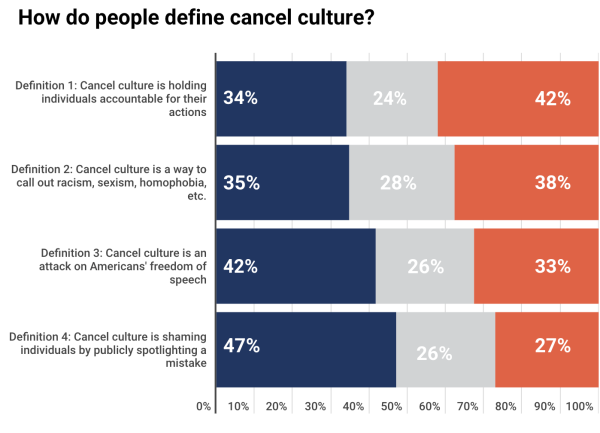
Cancel culture often gets mixed up with the term “call-out culture.” Call-out culture simply means to hold someone accountable, which is what around 58% of Americans believe cancel culture is. On the other hand, cancel culture takes it to extremes, often involving completely boycotting the individual who is being cancelled.
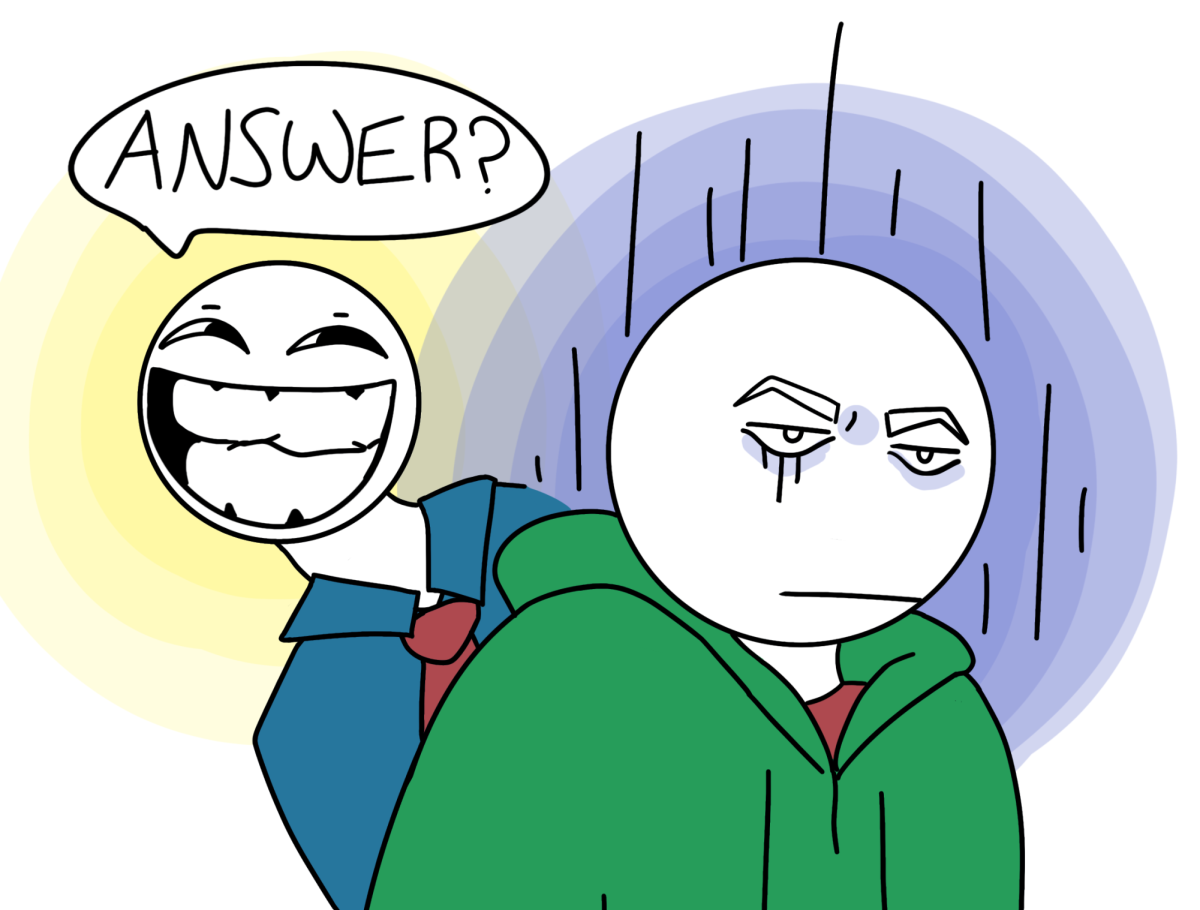
There’s a predictable trend in the way people respond when they find themselves in the crosshairs. Most deny wrongdoing until overwhelming evidence forces them to issue an apology. These apologies almost always take the form of video statements, where the person appears somber, usually in casual clothes and without makeup, to emphasize sincerity. In a video only a few minutes long, they insist they’ve changed as a person in the short amount of time since the incident came to light.
However, these apologies are frequently met with skepticism. Fans claim they are performative, motivated more by damage control and preserving their image than genuine reflection. In fact, most apology videos have numerous comments on them claiming that it looks like the celebrity is reading off of a script, coming off as inauthentic. This cycle of denial, exposure, apology and backlash has become a recognizable script of cancel culture itself.
Opinions on whether cancellation is justified vary widely. Some argue that cancel culture is a necessary tool for social change, while others believe that one mistake shouldn’t define a person’s character, especially for lighter offenses.
The trend of cancel culture has grown so large and impactful that some individuals, anticipating backlash for something in their past, have started cancelling themselves first. They publicly acknowledge their mistakes before anyone else can dig them up. While this can appear as accountability, it can also be viewed as a strategy to control the narrative and soften the blow.
Ultimately, cancel culture reflects a shift toward demanding accountability in an age where nothing online truly disappears. It exposes the dangers of instant judgment, mob mentality and the blurred line between justice and humiliation. Whether it remains a force for change or burns out under its own contradictions, cancel culture continues to spark fierce debate and shows no signs of ending.

Seshan Ranganathan • Sep 18, 2025 at 12:09 pm
A very sensible & mature look at “cancel culture” which is a manifestation of “Wokeism”.
Confidently wearing the garb of “liberalism” are some of the most illiberal people trying to shut others down.
Nice work, Sia! Keep it up!!
Sesha