























Courtesy of Reuters Images
Many attempt to separate their online and offline lives, but the two often blend together more than one expects.In 2017, Harvard, famous for its 4% acceptance rate for undergrads, rescinded 10 of those letters of acceptance, but for reasons other than failed classes and poor test grades. It may come as a surprise to some that the life-altering denials to the school stemmed from admissions officers discovering racist and sexist comments made on social media by the previously accepted students.
This is the world our generation has grown up in.
The actions of liking this post or that site may not seem particularly life changing; however, for the students whose college acceptance were yanked away due to seemingly miniscule poor choices made online, one tap on the internet has the potential to affect one’s future, leaving education, job opportunities, and so much more in ruins.
About 95% of teens aged 13-17 reported using social media in 2023, and many of them are addicted to it in unhealthy ways. In addition, with a rise in online communications and a flare in the popularity of social media with each new generation, concerns continue to mount about how much information teens should be on social media platforms.
From a young age, many kids are imbued with the gravity of maintaining a good digital footprint. Schools and parents have stressed how critical good habits are with some even pressuring teens to restrain from having an online presence at all. Most of their worries stem from anxieties about general safety, but also negative consequences for future college and job applications.
When considering digital footprints, many may think that only prominent influencers and content creators experience substantial real-life repercussions of these daily decisions to like or to post or to repost content. However, in reality, those countless hours a content consumer spends mindlessly liking reels and commenting on videos may actually have an equally as impactful effect on one’s non-digital future.
While it may not be necessary to completely erase all traces of yourself from social media, it’s still important to think about the consequences that a poor video posted, or even just a “like” on a potentially racist post may have on your future.
Teenage content creators; how their occupation bleeds into their life
Many high school students in the U.S. have fairly prominent social media accounts where they share facets of their lives with thousands to millions of fans online. Short-form content creation on TikTok and Instagram is the most common way influencers spread ideas and opinions with a mass of consumers, all without needing credentials or evidence to support their highly infectious ideologies.
Isa Escu, a famous 17-year-old content creator based in Florida, currently has an impressive following of 2.2 million followers on TikTok. Popular for her “get ready with me” videos and “day in the life” vlogs, she consistently posts reels that have a casual, laid-back feel to them.
However, back in 2024, she received massive backlash when she was exposed for shouting slurs in a video; it was a shock to many that the Caucasian teen was offhandedly throwing around highly racist remarks like it was second nature to her. The disclosure of her blatant racism had immediate repercussions, as her following rapidly dropped and much of her fanbase quickly moved to cancel her.
As of today, Escu, while infamous to her critics, persists in creating content; she is an upperclassman in high school, so the internet has yet to witness the collegiate repercussions of her online missteps. She rapidly lost about 300,000 followers shortly after the incident but has been consistently posting ever since. To an outsider, it seems as if she is trying to regain her popularity.
Junior Alisa Erbay is also on social media and has a substantial following on TikTok with 30,000 followers. She promotes products sent to her by companies, amassing followers and likes due to the organic and user-friendly feel of influencer endorsed advertisements.
Earning revenue from reels featuring sponsored products, she tries to post regular content that gains her likes and follows every day while balancing her online life with her academics. At her peak, when she’s not focused on her school work, she posts about two to three times a day. She says she is trying to be careful about how she does this work.
Erbay heavily examines the content she posts online, extremely concerned about potentially getting backlash for saying the wrong things and the lifelong consequences of unmonitored language. She even comments about TikTokers like Escu, and seeks to contrast her attitudes with them.
“You don’t want to say something that comes out wrong, because I’ve seen all these influencers on TikTok saying all these things to get them canceled, so I’m always really careful with what I say,” Erbay said.
Her consciousness of her online actions is proof that a teenager can successfully manage a social media account, while having a digital footprint, but avoid being canceled and having damage to their reputation.
The equally significant consumer approach to social media
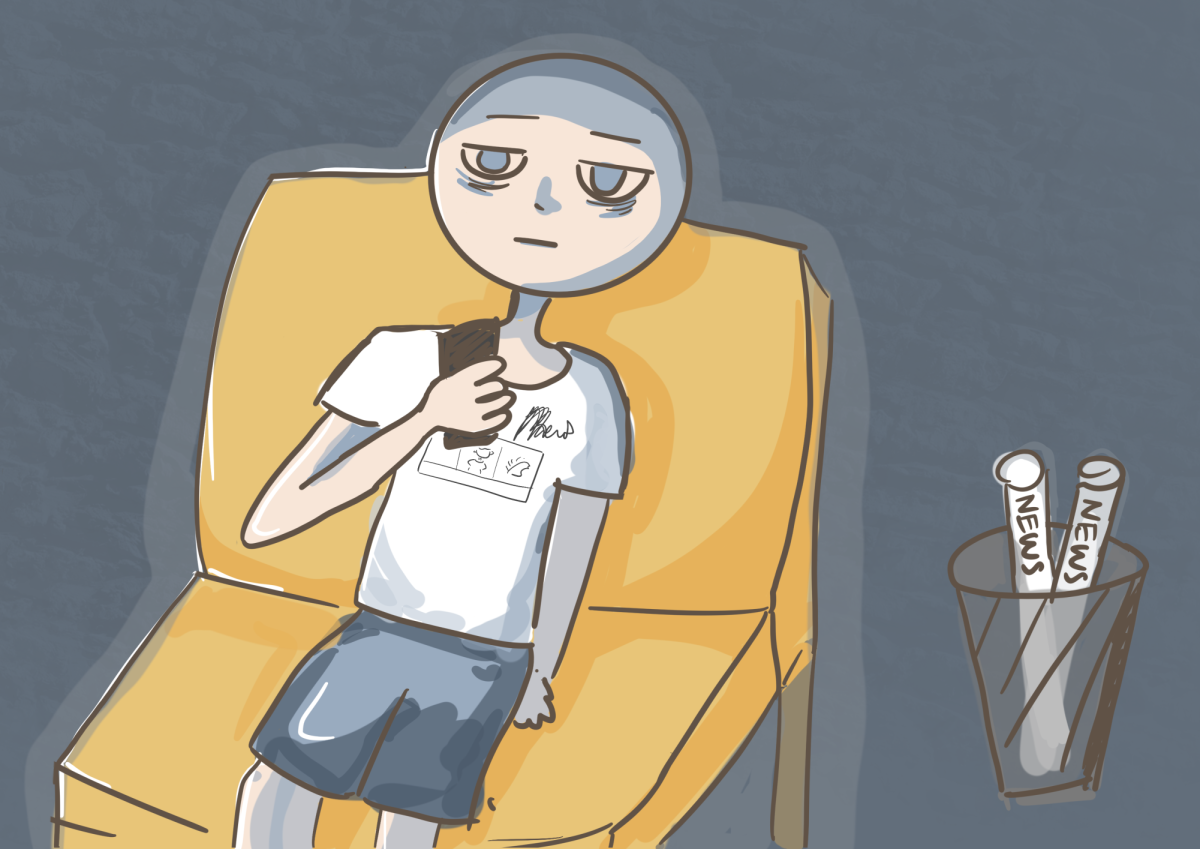
Not everyone with a social media account is looking to openly share their opinions and ideas. Along with the reason for having social media being to keep up with friends, news, and interact with their communities, many use it mainly to consume content and watch entertainment.
The statistics are staggering, but most of all surprising, as only 5% of users on TikTok actually create and post videos, while the other 95% use the platform to watch reels. The imbalance may cause some to believe that one “like” or comment is highly insignificant amid a sea of them, but that underestimation has been proven to hurt some creators’ lives.
According to Forbes, a guidance resource for high school students, it’s likely that an admissions officer will look at an applicant’s social media activity to check for character and online persona. Admission officers often check if a student is involved in illicit behavior or behavior that fails to align with the college’s standards, so it’s possible one poorly thought out post can wreck a student’s chances at their dream university.
Harvard, as an Ivy League college known for revoking acceptances for students’ undisclosed, inappropriate social media posts, takes advantage of digital footprints to determine the suitability of applying for their college. In 2019, Parkland shooting survivor Kyle Kashuv had his acceptance rescinded after Harvard found racist remarks he made online.
The same applies to the process of applying to jobs. Employers now screen applicants’ social media to check for profane comments, violent activity and poor behavior, ensuring that their potential employee is fit for the job.
In addition to the initial evaluation of an applicant’s social media, some companies have even reported that they regularly monitor their employees’ social media to be sure they are keeping within company guidelines, some even firing workers over certain posts.
Unlike conversing with someone face to face, the conversations through texting and messaging via apps like Instagram or Snapchat are susceptible to being screenshotted and saved forever. Words posted online can have detrimental effects on a person’s digital footprint if they’re reckless with language and expression of ideas.
What does the new Digital Age mean?
Many teens of this generation aspire to amass mass followings similar to that of Escu and West, but they often don’t consider the responsibility and weight that comes with it. To have such an immense digital footprint means more to worry about when it comes to privacy, safety, and future opportunities.
Some positive impacts a digital footprint can have for a student is networking and staying up to date with current events through news outlets. They can build portfolios and stay in touch with friends without having to overshare.
However, not only can a hefty digital footprint have negative impacts on their future lives, but it’s also common for active adolescent influencers to experience harassment and bullying online. Everything is exceptional in moderation — a teenager can have an active social media account, but they must be responsible and disciplined with their usage of it.
Although impactful, digital footprints aren’t automatically something that people should avoid altogether, but rather when utilized correctly, they can be something that enhances their life and career.
“I know what to say and what not to say; my reputation is worth more than a singular viral moment,” Erbay said.