













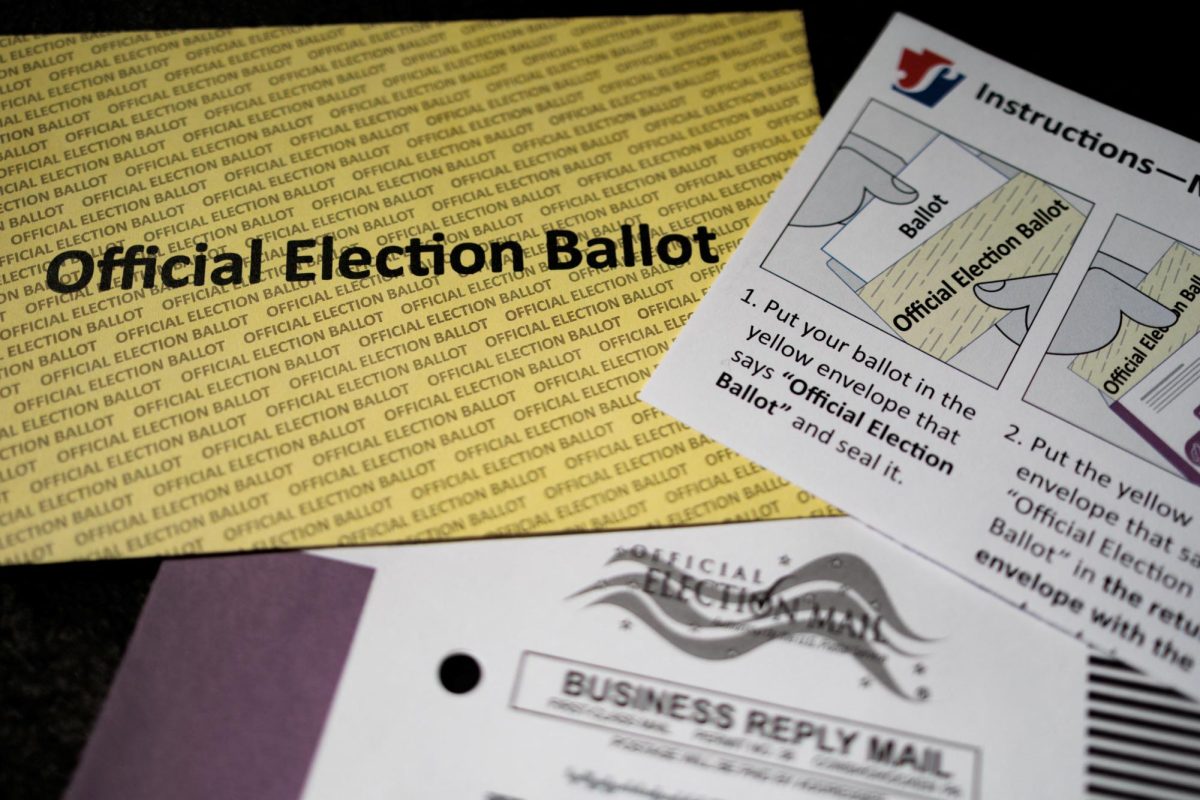
Courtesy of Reuters Images
Voters education includes how to register to vote, complete ballot papers and determine accurate news sources.When students graduate from high school, they are expected to integrate themselves into society as adults. With this comes the responsibility of voting, and yet many teens are blind to how, and why, they should exercise this constitutional right — a right previous generations fought and died for, a right we need to learn how to use well before becoming adults.
In its essence, voter education covers how to register to vote, complete ballot papers and determine accurate news sources. It should be a requirement for any student to get their high-school diploma.
Voting education isn’t about forcing students to vote for a certain party. Instead, it teaches students how to properly make decisions based on the candidates’ full portfolio, prior positions, political ideas and past controversies.
It is a major subject that is touched upon in government and economics classes in senior year, but a single semester isn’t nearly enough time to teach the broad range of knowledge necessary to decide elections, starting with district and county elections, where our voices have the most major impact.
Hearing how elections work from a textbook and the history of our democracy doesn’t inform us about the current state of our government. In this day and age where voters are swamped with misinformation and AI integrated into deceptive political videos, differentiating what’s true and reliable from something falsified and meant to throw off young and old voters alike is a heavy task.
The media are, of course, one of the biggest sources of political information, but with it comes certain biases and algorithm-driven stories, which are meant to get viewers to engage with them. Algorithms are built to relate to content you engage positively with, which also creates a self-bias of the content you see.
The process increases political polarization and prevents voters from seeing all candidates for who they are or how they will govern. The purpose of true voter education is to teach young adults how to find candidate information properly, and how to determine which political stories should actually influence their decisions.
In a broader sense, many students graduate from high school without fully understanding the purpose of voting. The lack of education regarding voting can lead to a serious drought in voter turnout and leave younger people in a minority when it comes to candidate success. In a poll done by NORC Center for Public Affairs in 2025, young Americans say they are less likely to think that voting is important compared to older citizens. However, the moment students turn 18, their voice in politics can make a major difference, and in negating their right to vote, the impact of youth voices is diminished.
Voting education before graduation, through integrating clear lessons about ballots, different sectors of elections, registering and the basis of researching candidates, should be a mandatory class for all high school students. The future of democracy lies in the hands of those who will turn 18 in the next few years, and by fostering their knowledge on elections and voting, we can increase the impact they can make through their vote.
