













Courtesy of People
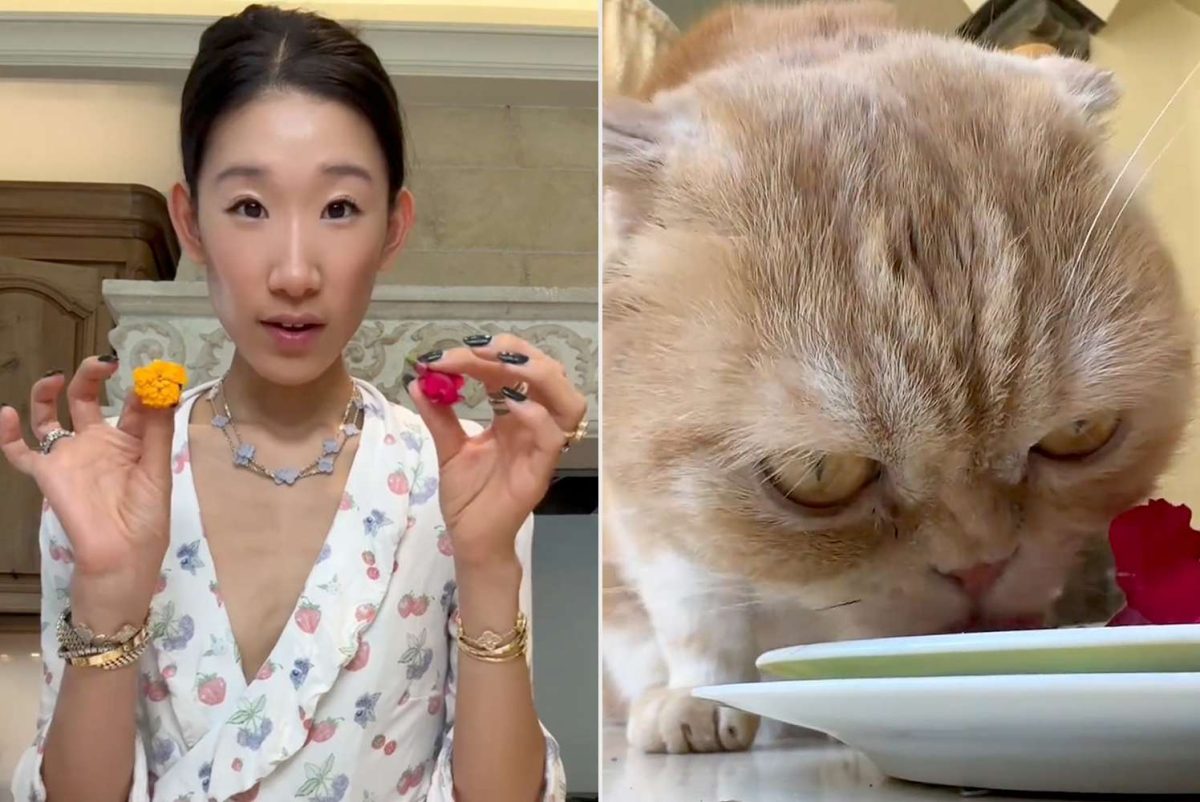
Becca Bloom, one of the most popular RichTok creators on social media, prepares a meal for her cat.In the summer of 2025, I watched the Broadway version of “The Great Gatsby” in New York after finishing a summer camp in the area. I was astounded watching Jay Gatsby, played by Jeremy Jordan, host lavish parties every day at his well-adorned mansion. The sheer spending power of rich people in the 1920s was absurdly cartoonish. I believed real life could never get as flamboyant as Gatsby’s outsize lifestyle.
Yet just minutes after the show, I saw an Instagram reel of RichTok star Becca Bloom, an influencer who lives in California’s second-richest neighborhood: Atherton, which is about 20 miles north of Saratoga on the 280. (Zillow says the average home there sells for almost $7.9 million.)
RichTok is a social media subculture that centers around the ultra-luxury lifestyles of wealthy influencers. Creators document their everyday life from designer halts to multi-million dollar home tours.
In the video, Bloom prepared a Michelin Star meal for her pet cat inside her exquisite, million-dollar granite-countered kitchen. Bloom pampered the feline, using sushi-grade salmon, salmon roe and even edible flowers for the dish before placing it on not one, but two plates (a charger plate and dinner plate).
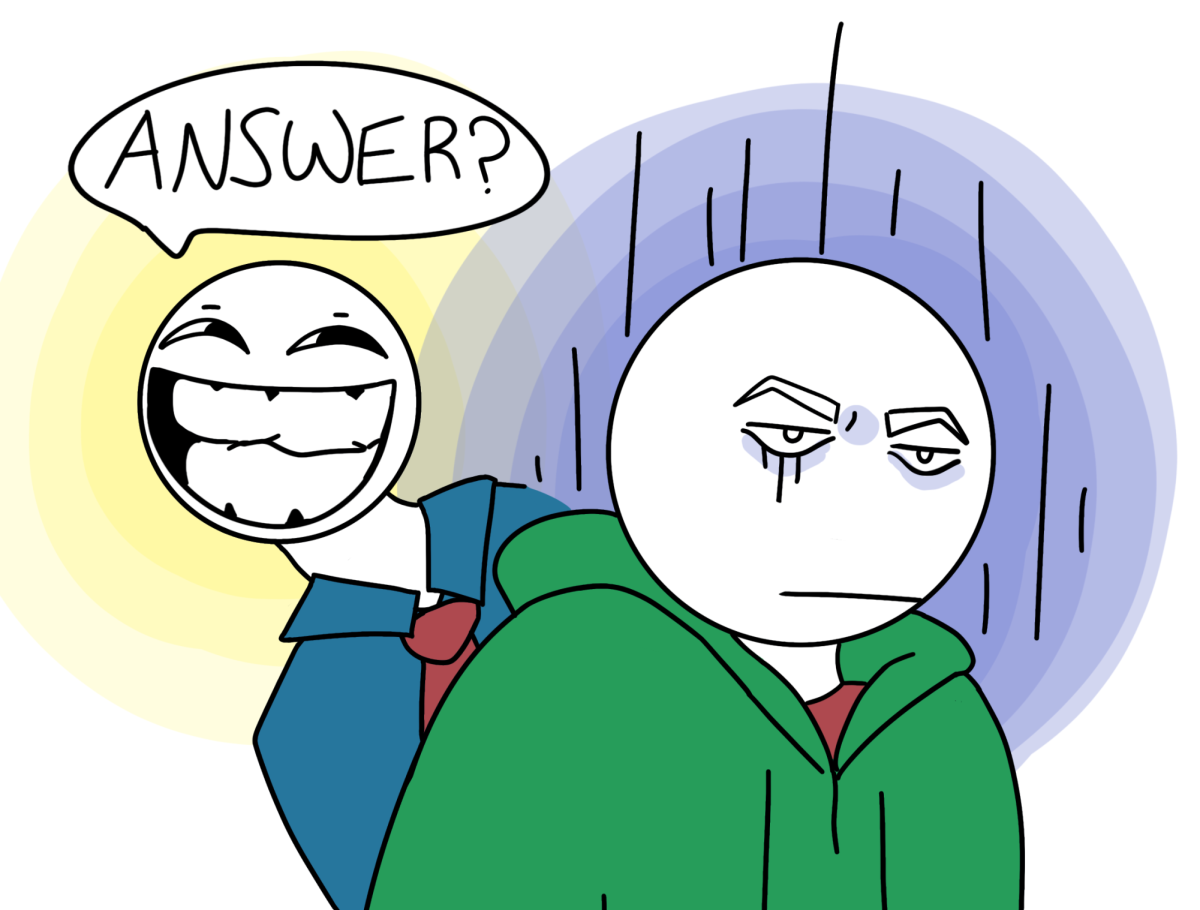
Even with 2.3 million likes, the video felt dystopian — people from all around the world didn’t seem self-conscious about their own economic class and were even suggesting more new, expensive and materialistic video ideas. Yet, looking at the positive comments and shares under Bloom’s post, I felt increasingly out of place. I pondered why I seemed to be alone in feeling so insecure about my lifestyle.
I realized these influencers often promote unrealistic lifestyles that are unattainable for most people. In response, users should moderate their time on social media and learn media literacy to understand that social media content aims for shock value.
Designed to show the lifestyles of the top 1%, RichTok has the actual effect of being more alienating than interesting or engaging. Even in a wealthy neighborhood like Saratoga, where the median household income is $250,000, the scale of spending RichTok showcases feels extremely disconnected from reality.
What makes Bloom’s content particularly striking is that she didn’t build her wealth herself. Bloom, whose actual name is Rebecca Ma, is a Silicon Valley heiress in her mid–20s whose parents founded Camelot Information Systems, a major Chinese IT firm.
Her lifestyle is simply inherited from her parents, rather than a product of entrepreneurship or her own hard work. Yet, her content misleadingly presents her luxury with no acknowledgment of how that wealth was actually accumulated.
Social media has long sold viewers a simple promise — if you work hard, grind long enough, that luxury lifestyle you see on your screen could one day be yours. However, Bloom’s content misleads that belief as she was simply born into an upper-class perch in life. Viewers following creators like Becca have no accurate role model to follow, buying into the delusion and potentially burning themselves out to achieve a luxury lifestyle.
Usually, we can dismiss influencer wealth as something out of a Hollywood-style dream. But when creators like Bloom live near Saratoga, their lifestyles start to feel like standards our community is failing to meet.
While short-video platforms like TikTok and Instagram are intended to entertain users, the RichTok subculture often leaves viewers feeling bad about themselves rather than inspired. This phenomenon, also known as upward social comparison, can lead to relative deprivation, a psychological state where individuals feel they lack the resources they need based on what they see others having.
A 2025 study published in the Cyberpsychology Journal of Psychosocial Research on Cyberspace found that frequent exposure to luxury content correlates with increased anxiety and lower life satisfaction in 62% of Gen Z respondents. The study noted that this exposure often increases feelings of hostility and financial insecurity. Furthermore, a study from the University of Portsmouth warned that comparison culture driven by influencers fuels lifestyle envy and social anxiety by reinforcing unattainable ideal lifestyles.
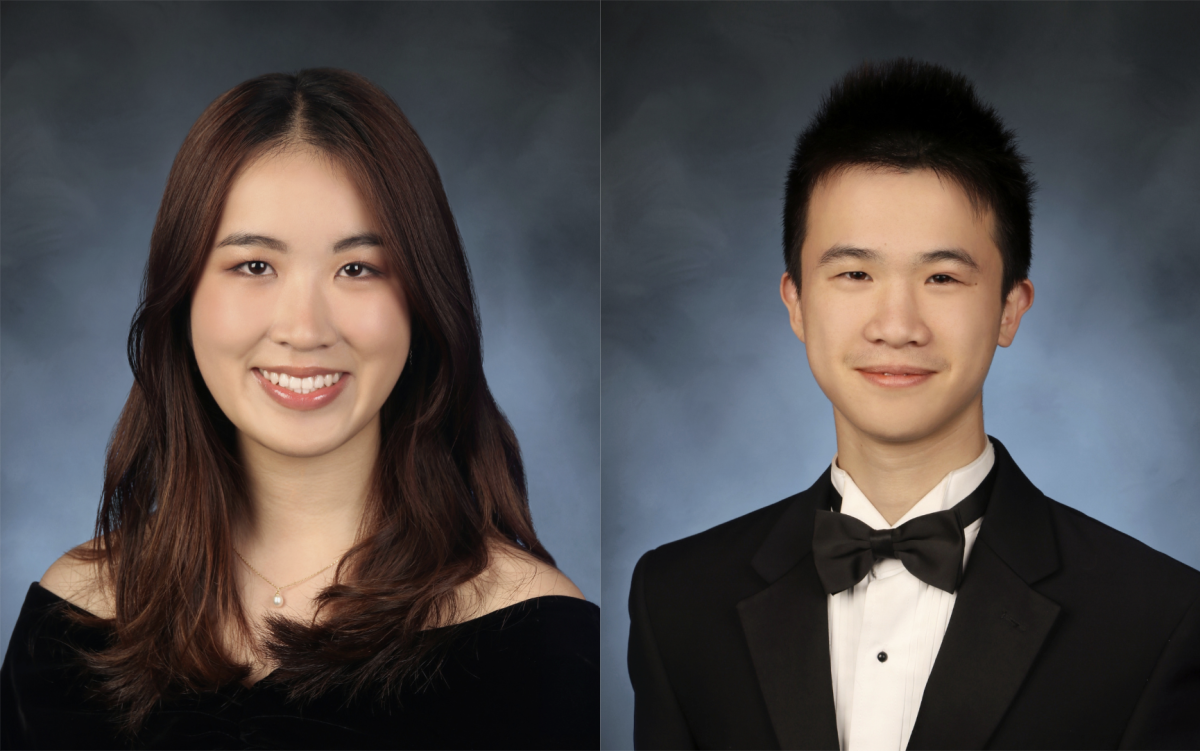
Junior Ovee Dharwadkar, an officer of Future Business Leaders of America (FBLA) club who previously served on Snapchat’s Council for Digital Well-being, suggested that the issue stems from a lack of awareness regarding how these videos are constructed.
“I’ve seen a lot of people criticize Becca because she just does everything for social media,” Dharwadkar said. “I learned a lot about social media and how youth are impacted by it, [and specifically] the lack of education that teens and students have to address it.”
To combat social media’s harmful effects, FBLA hosted “Teen Voices. Safer Choices,” a virtual seminar on April 28 that aimed to provide different views of social media from parents, teachers and employees at social media companies. Organizers collected over 250 survey responses from students to analyze how social media affects the local student body.
Despite the clear impact on mental health, there is arguably very little that can or should be done to regulate such content. Social media is built on the principle of being able to profit from personal expression and attention-grabbing content. Influencers have the right to strategically curate their lives, regardless of how extravagant or out-of-touch they are to the average audience.
However, RichTok raises the question: To what extent does “personal expression” turn into content that exploits viewers’ insecurities for profit? If content like this is curated to specifically trigger envy among viewers for the sake of an algorithm, it’s psychological provocation. By prioritizing shock value, these creators are making money in a way that hurts audiences.
Because these creators aren’t violating community guidelines, viewers must take responsibility for their own feed and the content they consume. Students can effectively solve this issue by reclaiming control of their algorithms.
By actively diversifying their feeds by following creators with varied backgrounds or moderating social media use, users can dilute the concentration of unhealthy posts. This shift forces the algorithm to prioritize a more realistic range of human experiences for the user.
As trends like these circle the internet, students should practice media literacy by recognizing that many videos are curated for views rather than the accurate representation of a typical lifestyle. Learning to evaluate and reason whether online content is factual is key to maintaining a positive media environment.
“The lack of education that teens and students have to address [social media] is what keeps people scrolling through someone else’s content and mistaking it for normal life,” Dharwadkar said.
