






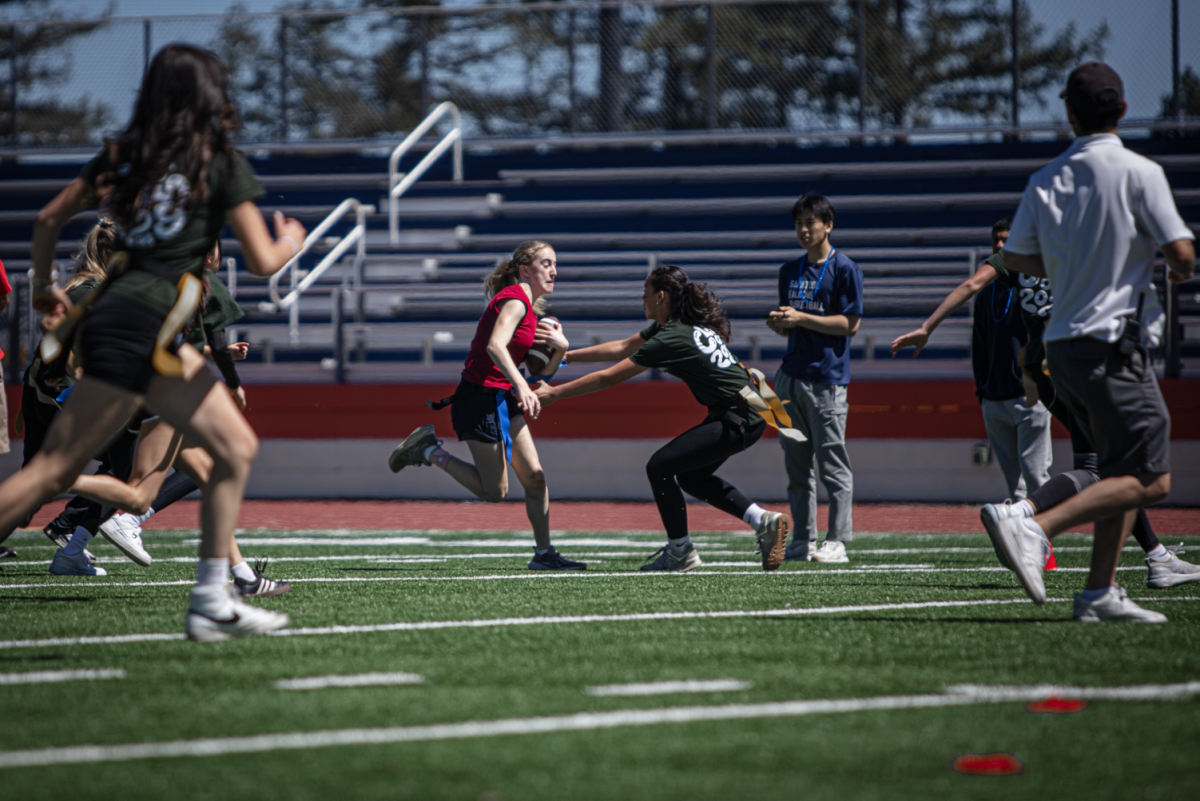

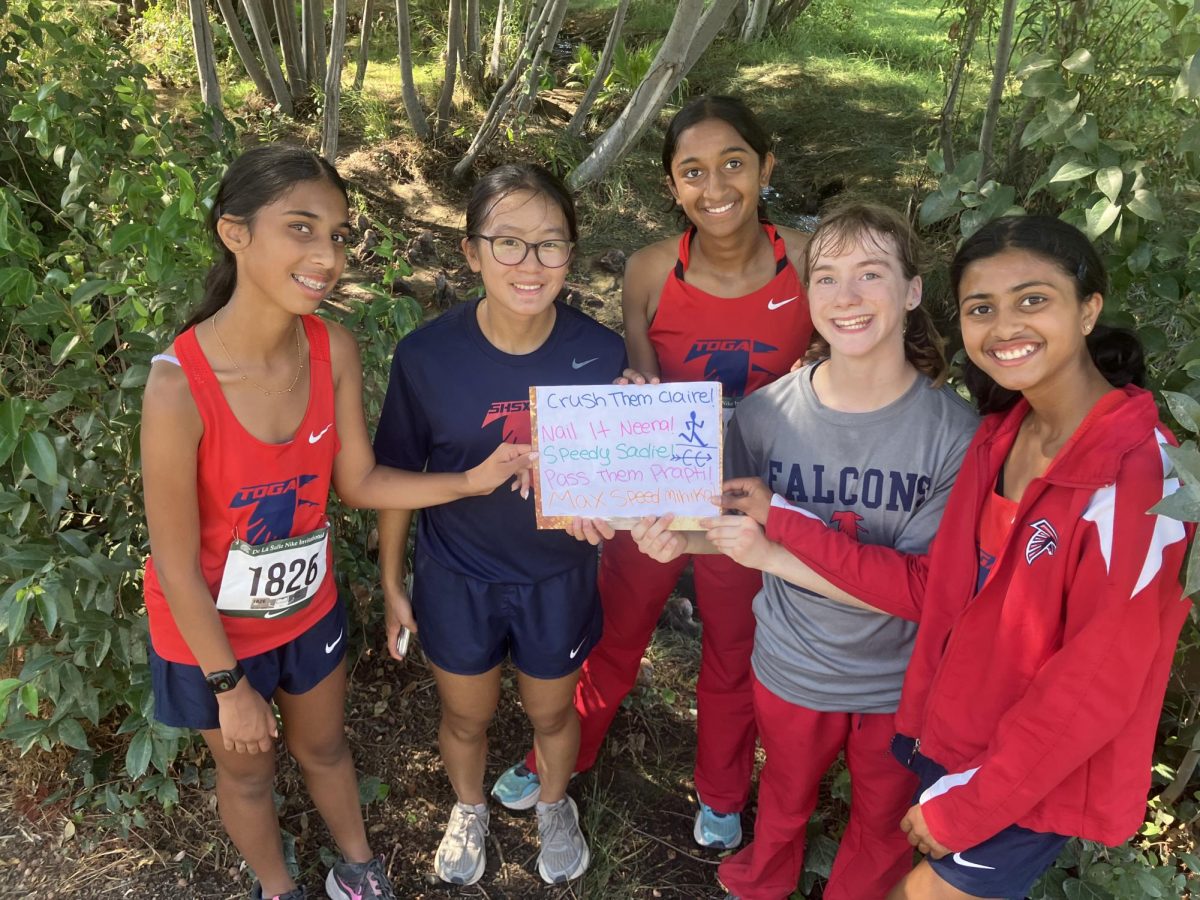
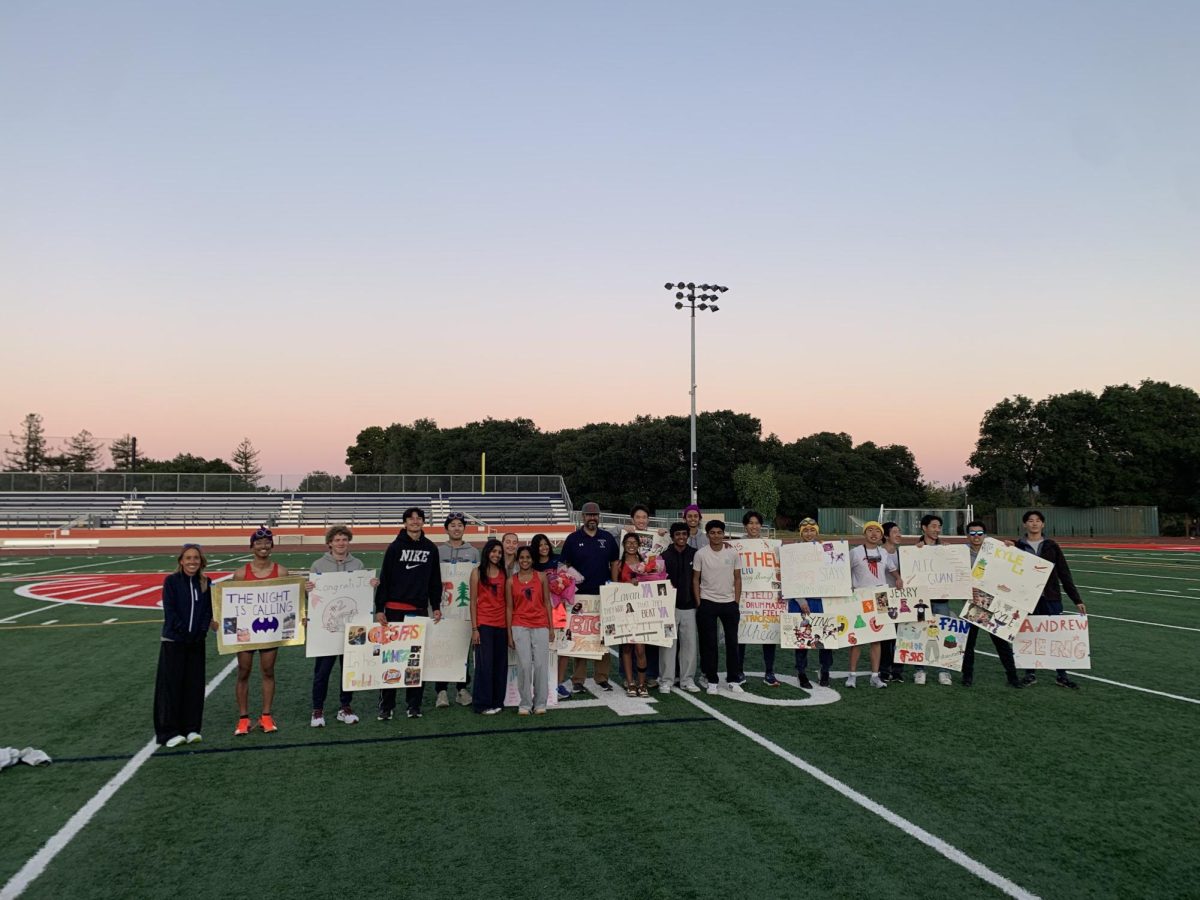











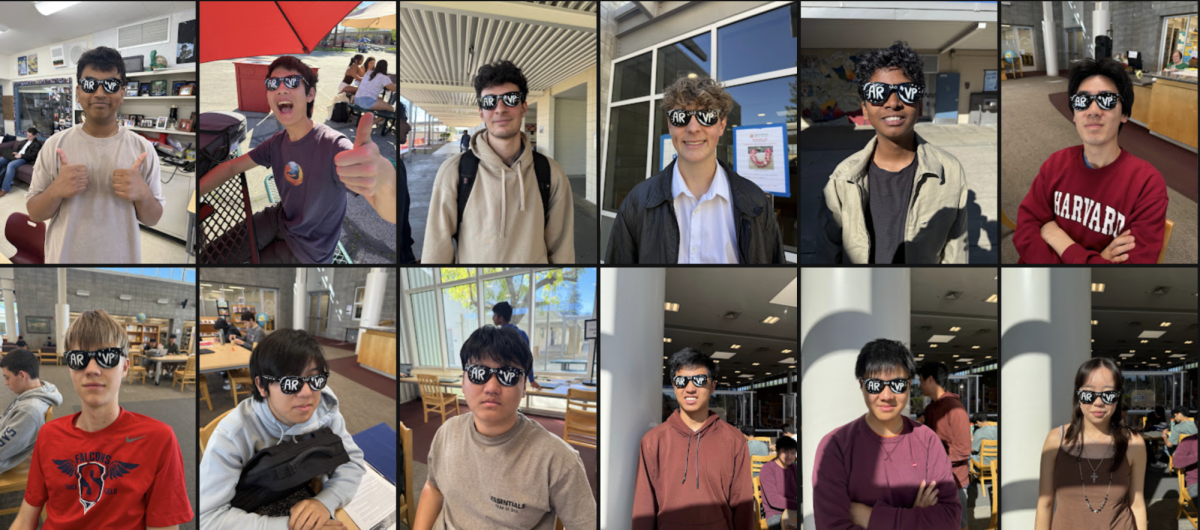
Courtesy of Alan Rong
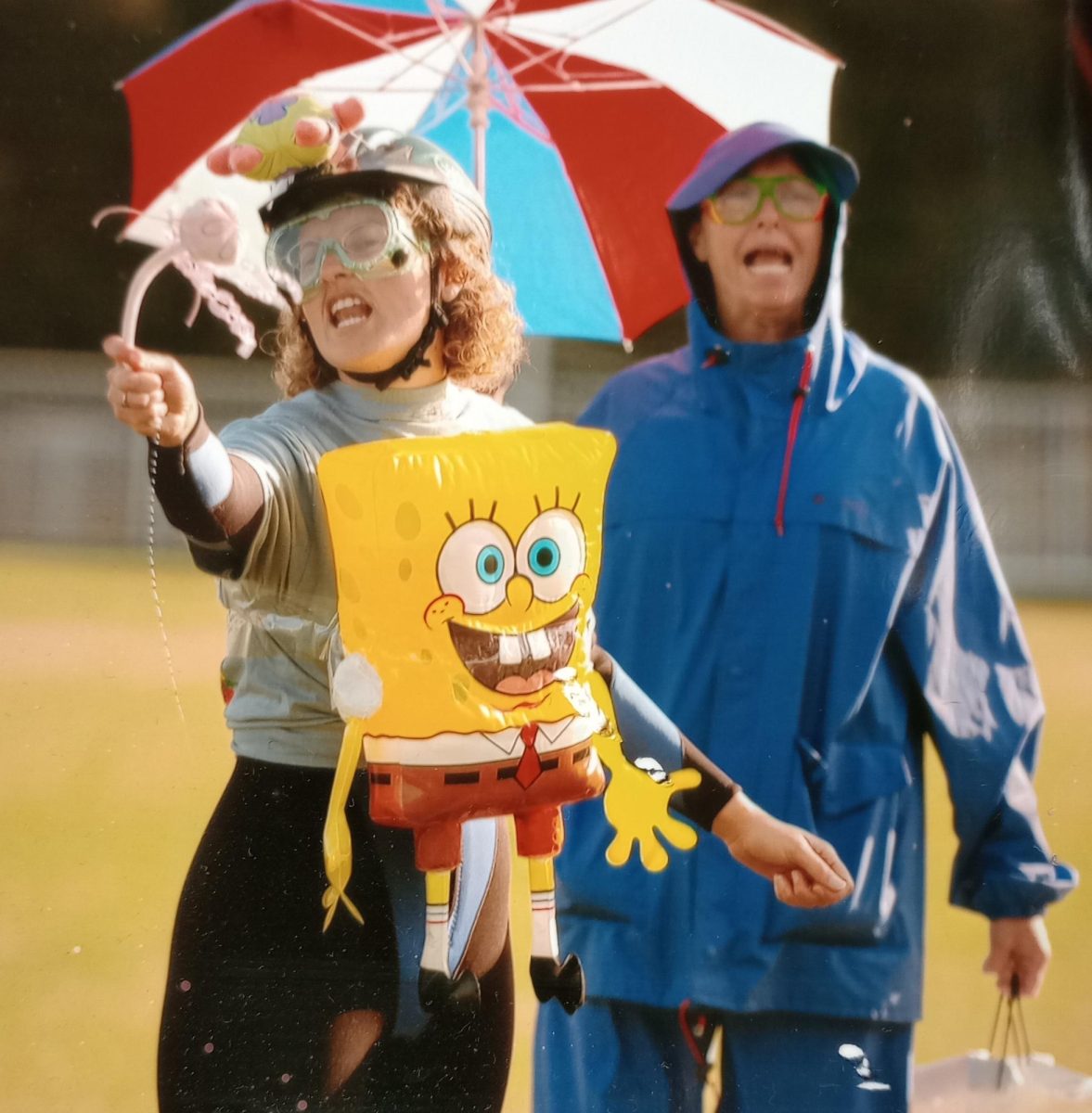
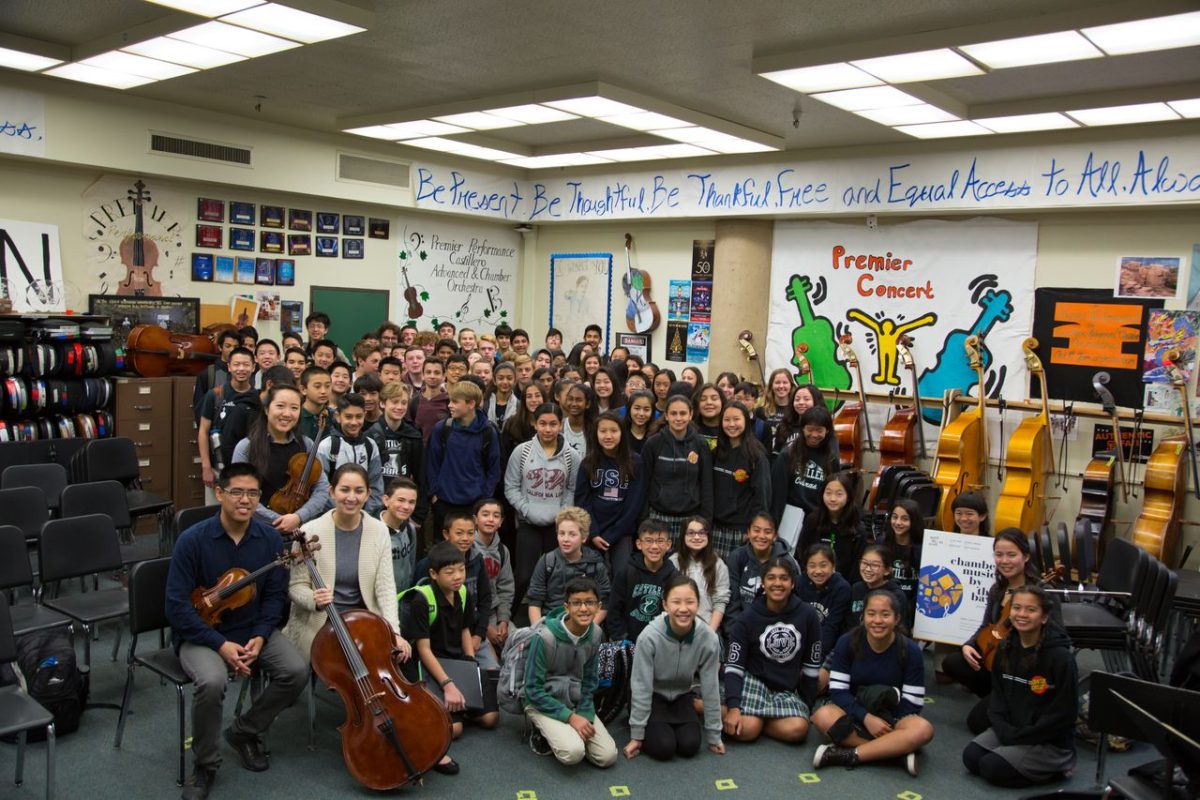
Senior Class Office Vice President candidate Alan Rong took pictures of supporters after campaigning by walking around campus.For the first time in years, the ASB elections for 26-’27 included a mandatory 30-second speech by all candidates during the February rally. The speeches, despite their brevity and some microphone issues, allowed the student body to hear from each candidate in a way that felt more direct and genuine than the norm of online social-media campaigning.
On March 16, similar 30-second videos for class officer elections were shown in English classrooms. While these videos may not have as big of an effect as the in-person speeches during the rally, they provided a good balance between accessibility and visibility given the larger number of candidates.
In recent years, election campaigns have shifted to platforms such as Instagram due to their convenience. While these changes make campaigning easier, they risk removing an integral part of the purpose behind elections: fostering vital interactions between candidates and the student body.
Campaigning in person provides many benefits that make up for the shortcomings of online campaigning.
Beyond simple conversations, candidates can campaign through answering questions face-to-face, actively listening to concerns and demonstrating how they lead on a daily basis.
Being a leader means communicating with others and representing them to spur change. Naturally, a prerequisite to leadership is being an effective communicator. In-person campaigning both reinforces this skill and displays a candidate’s capabilities. Simply walking up to someone and starting a conversation can be enough to sway someone to vote. Online campaigning, on the other hand, lacks the direct communication between people and transparency between a candidate and the student body.
Additionally, it is hard to convey meaningful information on social media without people simply scrolling away or swiping to the next story. The words on graphics can feel soulless and videos can be skipped with just a swipe. In-person campaigning encourages students to directly converse with candidates and respond or ask questions about their goals and promises.
Of course, an online campaign is useful for publicity. A post can be instantly shared with hundreds of students with a single click, which allows quick visibility to the majority of the school. However, not only do students without social media get excluded, but the publicity from social media can turn the election into nothing but a popularity contest. This diminishes the value of candidates’ actual qualifications, which are crucial for determining if a person is fit for a position.
Online campaigning isn’t necessarily bad, but it shouldn’t be the only form of campaigning. In order for a campaign to be successful, online campaigning should complement in-person campaigning rather than replace it.
Ultimately, elections are about leadership, communication and representation. Although online tools increase efficiency, they cannot substitute for true human interaction. Candidates who engage with others in-person demonstrate what leadership is truly about, making it an essential part of elections.
The ASB speeches at the February rally and the class office videos shared in English classes presented the start of potential changes to student elections, encouraging a long-overdue return to more personal forms of campaigning.
