




















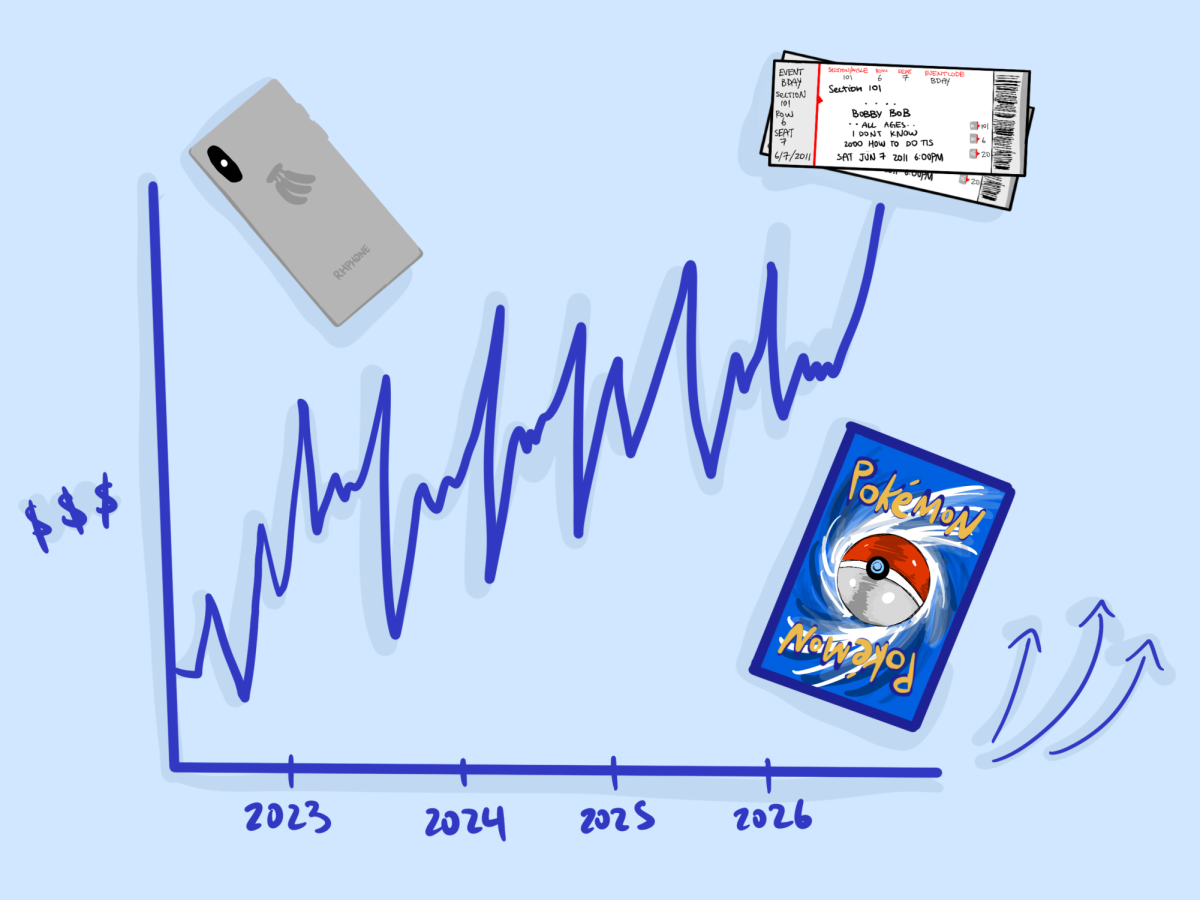
In 2026, a 64GB of DDR5 RAM (the memory used in PCs) costs up to $1,000, whereas only half a year ago, the same product cost $200.
The increased demand has caused scalpers — people who resell items at a higher price to make a profit — to elbow their way in, buy the RAM at Manufacturer’s Suggested Retail Price (MSRP) and resell at a higher price on secondary markets.
Scalping has long been a problem; however, with the increasing implementation of AI by questionable actors, scalping scams have been raising more and more concerns. By using AI to analyze small-profit trades and purchase items, modern scalpers are able to trade and profit faster than any human could.
Rather than constantly refreshing and waiting for sales, AI is capable of analyzing backend and website data to not just predict when sales will open, but also carry them out without the need for human intervention. Additionally, by scanning markets to determine what price customers are willing to pay, AI can execute trades more efficiently and quickly than the human scalper, generating substantially more revenue.
To minimize scalping, stores selling products that are in high demand can limit quantities that each customer can buy in person, or put limitations on each device or IP network online. The second of these methods is the harder one to be effective with, but still worth using.
One of the most common forms of scalping occurs concert tickets to well-liked artists. Due to the limited supply and high demand, scalpers can easily make huge profits by reselling tickets near the concert date.
Scalpers can also buy up large numbers of tickets quickly, leaving few for genuine fans hoping to see them. The resale prices aren’t low, either; scalpers will often sell tickets for prices of more than double — sometimes even higher, for premium events. For reference, at the recent 2026 Super Bowl, prices were over 500% higher than face value across various secondary markets.
Scalpings don’t have to just occur for tickets or events, though; it can occur on just about any limited or new product. Typically, products considered “trendy” or “special” are common targets.
One of the biggest recent examples is the collectible Labubu craze, which grew in popularity throughout 2025 as a result of various TikTok trends. While one box should typically retail for around $30, the growing demand and craze it gained led to high resale prices, jumping to over five times its original price.
Another recent victim of scalping occurred in the world of trading card games, with multiple different franchises being affected.
The most affected were Pokemon cards, where scalpers cleared the shelves of retail stores to sell online at a higher price, often at 2-3 times the MSRP. This made it difficult for the company’s targeted audience, children, to get the cards that they wanted.
A drastic decrease in supply due to scalpers caused the demand to skyrocket, with more people wanting to get cards, causing stores to run out of stock more quickly.
The hype for Pokemon card resale has since died down, but it is still difficult for children to buy cards for retail price.
Electronics are also a commonly sought-after product, especially those with high demand and limited supply.
Due to the recent need for RAM and SSD products driven by the growth of AI, these products have become targets for scalping due to increasing demand. Along with demand from high-performance computing activities such as gaming and work, prices have jumped by almost fivefold in just the past few months.
In addition, items such as phones and gaming consoles are commonly scalped upon release. Stores have attempted to limit scalping with purchase limits allowing only one device per person, but the problem remains difficult to control online.
Scalping, especially with the help of AI tools, creates a market where items are overpriced and target audiences are unable to get what they want. The increasing price does nothing but harm to consumers, preventing them from enjoying what they love and making their communities harder to get into. Anyone — whether a music fan, sports fan or gamer — deserves to be able to purchase what they want for fair prices rather than pay through the nose to predatory scalpers.


