



























In World History, students learned about the Industrial Revolution of the 19th century, an era across Western civilization when people began replacing physical labor with machines to increase manufacturing output and free humans to focus on higher-level thinking.
Yet, this rapid mechanization also replaced skilled artisans, forcing them to maintain machinery in hazardous conditions and widening the economic gap between artisans and factory technicians.
Today, tech companies are increasingly using AI to perform the basic analytical tasks previously assigned to entry-level data analysts and software engineers. According to a study by the Stanford Digital Economy Lab, employment for early-career workers aged 22-25 in AI-exposed fields has declined by 13% over the past three years.
In the creative sector, the internet is increasingly populated with AI-generated images that replace products previously made by working illustrators and graphic designers.
Additionally, the hiring process itself is now automated. A Jan. 8 report by DemandSage found that 87% of companies use AI tools to review resumes and evaluate applicants. However, relying on algorithms introduces a massive flaw: AI screening tools often overlook nuanced resume experiences, scanning instead for specific keywords they are programmed to detect.
This results in companies automatically rejecting highly qualified candidates whose resumes lack specific formatting or buzzwords, failing to properly evaluate their actual capabilities.
Delegating critical thinking to algorithms poses a significant risk, especially since AI models often produce factual errors that translate to real-life consequences. Fundamentally, artificial intelligence operates as a predictive model rather than an independent thinker. To generate specific answers, users have to apply their own foundational knowledge to prompt the system and verify its output.
If AI algorithms can pass entry-level software development problems, junior developers lose the opportunity to build critical thinking skills by working with software hands-on, which is required to direct technology effectively. Relying on AI for intellectual tasks threatens to erode the advanced knowledge humanity has accumulated, risking a future where humans lack control over complex systems.
This reliance creates a severe economic crisis for the next generation of workers. As AI eliminates the roles that recent graduates rely on to build industry experience and achieve financial stability, young adult unemployment has surged. The jobless rate for recent college graduates has reached 5.8% in early 2025. That is a jump from 4.6% in early 2024, a worrying trend.
Without reliable entry-level employment, young professionals face debt and bleak prospects, leaving many struggling to afford basic housing and living expenses in high-cost areas like Silicon Valley. It has come to a point where nearly two-thirds of Gen Z are now considering moving to other countries just to find reliable careers and a lower cost of living.
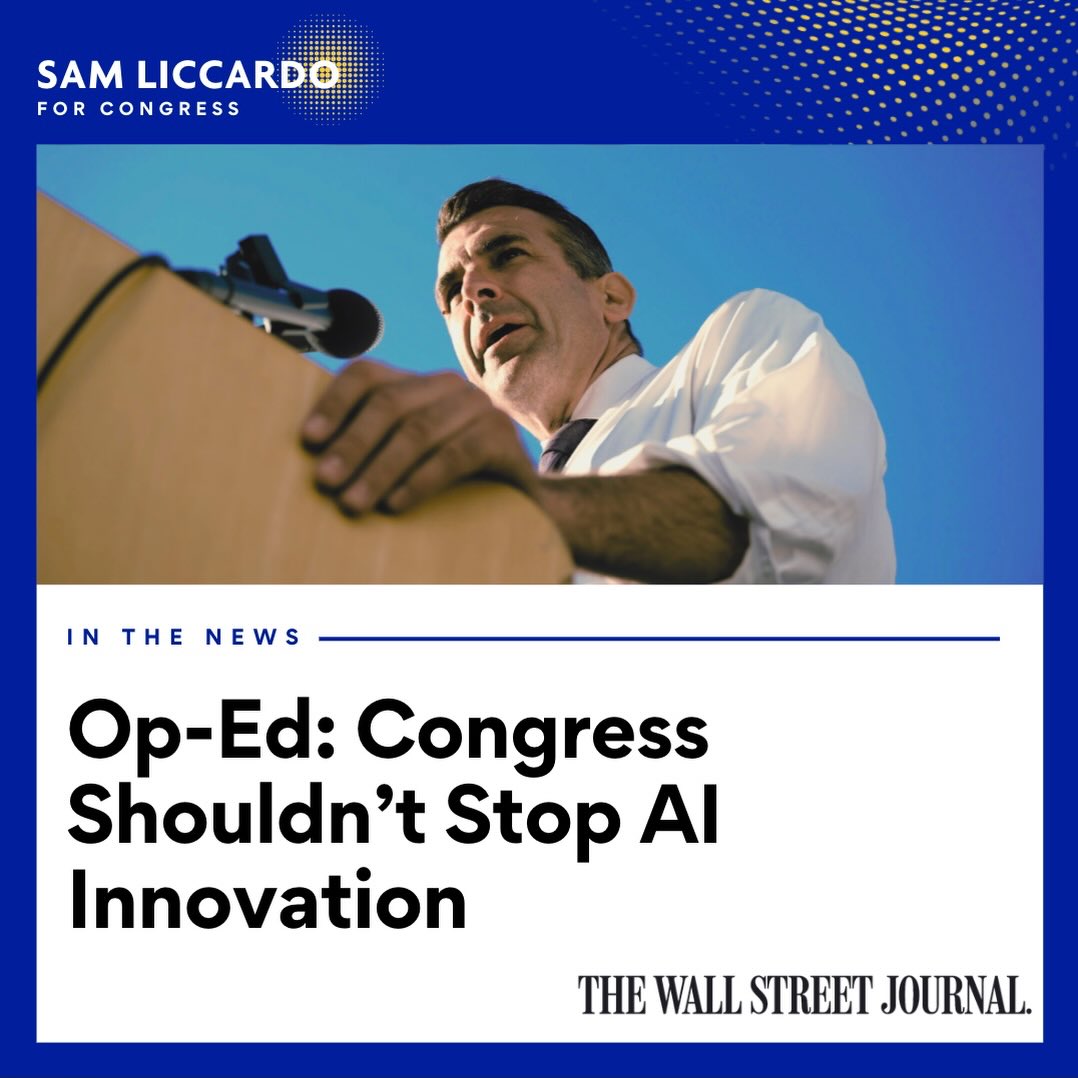
Despite the job and educational risks that will impact the future, political leaders are pushing to accelerate AI infrastructure. In a Wall Street Journal opinion piece, Congressman Sam Liccardo — who represents the district encompassing Saratoga — proposed fast-tracking local permits for data centers and offering tax credits to AI companies.
This policy means the government would allow tech companies to skip the environmental reviews and city council approvals usually required to construct massive buildings. But this is highly problematic, as skipping these logistical steps can lead to unforeseen consequences for local land use.
For example, a data center project in a neighborhood in Prince William County, Virginia, recently sparked controversy because it lacked transparency in terms of logistics. A court judge ruled in August that the county had failed to provide adequate public notice and documentation, which effectively resulted in a massive oversight regarding how the Digital Gateway industrial monolith would ruin the neighborhood’s quiet rural character.
Data facilities use cooling fans, which produce a loud hum that disrupts the peace in neighborhoods and threatens local property values.
Liccardo’s proposal would also grant tax breaks to tech companies that fund programs to teach new skills to workers who lost their jobs to automation. However, this retaining proposal is ironic, as even if displaced workers learn new skills, they must still navigate an employment market monitored by the technology that replaced them.
Because the vast majority of companies use AI to screen resumes, these retrained applicants risk automatic rejection if these tech programs fail to teach the exact skills and keywords the AI is programmed to detect.
Furthermore, accelerating AI development before fully understanding its long-term impact on the workforce risks increasing AI’s negative impact. The rapid expansion of energy-intensive data centers has already contributed to skyrocketing utility bills and local water loss.
According to a recent report by the Environmental and Energy Study Institute, electricity prices in states with high concentrations of data centers have surged by up to 267% over the last five years. Additionally, a large single facility can consume up to 5 million gallons of freshwater per day to cool its servers. This means building more infrastructure will simply add to environmental problems.
While AI is a powerful tool for assistance, it cannot function reliably without human supervision and a strong human conscience. To prevent total professional displacement, lawmakers must implement proposals that require companies to maintain human-led roles dedicated to fact-checking and auditing AI output.
Instead of allowing AI to completely replace entry-level staff, the industry must create new categories of jobs that prioritize human verification and ethical management. According to the World Economic Forum’s 2025 Future of Jobs Report, while 92 million jobs may be eliminated by 2030, 170 million new roles will be created through human-AI partnerships. From this, companies can ensure employees gain the hands-on experience necessary to rise the corporate ladder while living sustainably.
By promoting transparency in resume scanning and protecting foundational roles, institutions can ensure that AI remains a secondary assistant rather than taking over the human race. Until these protections are in place, young adults shouldn’t have to graduate into an economy that replaces their hard work with a predictive model that’s too expensive for the planet and too unreliable for the job.
