


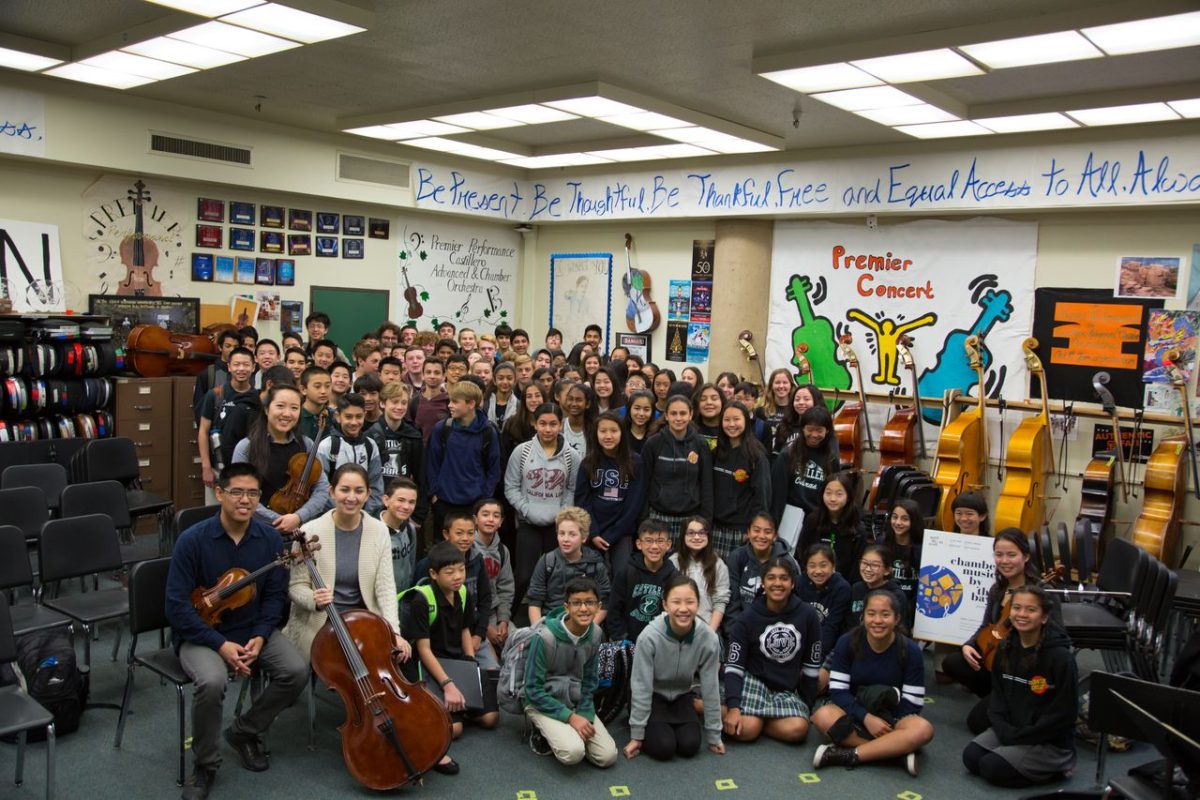
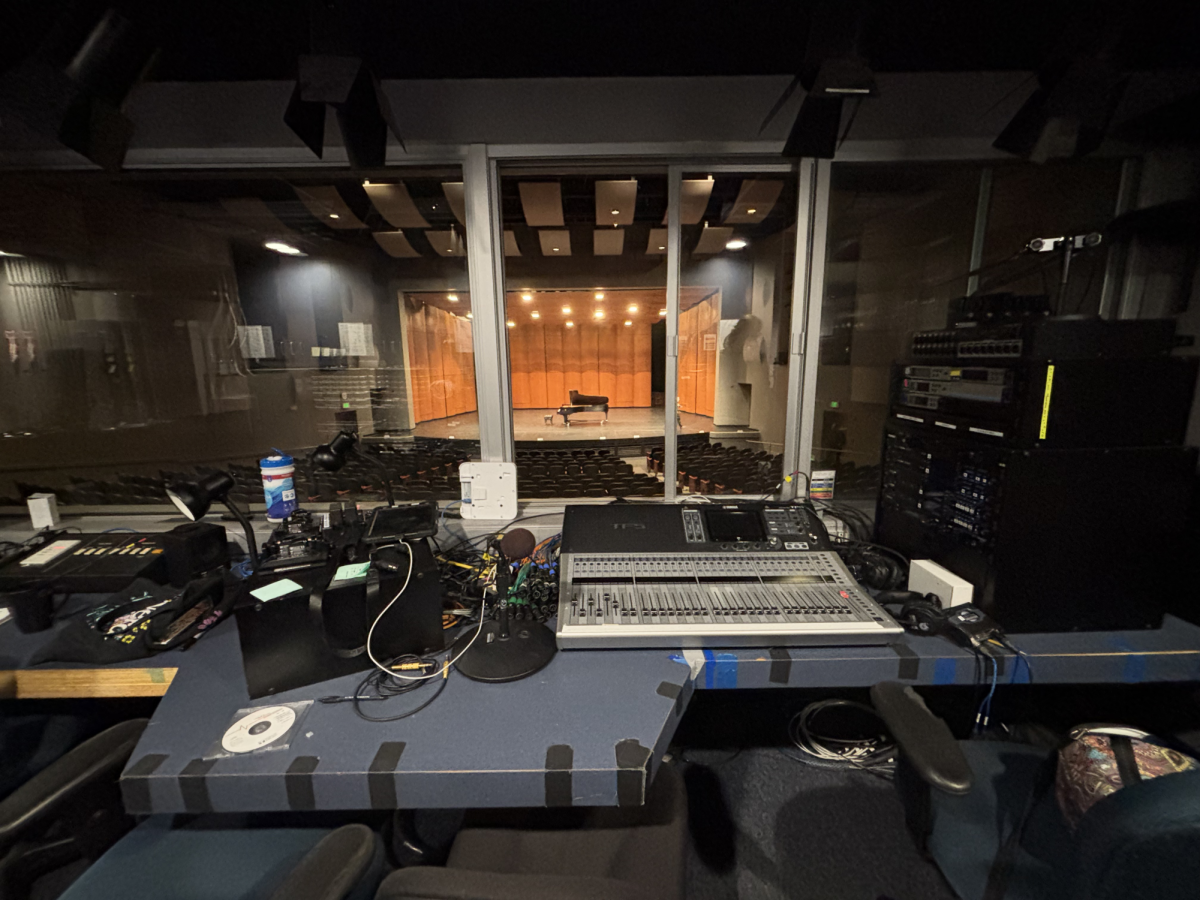
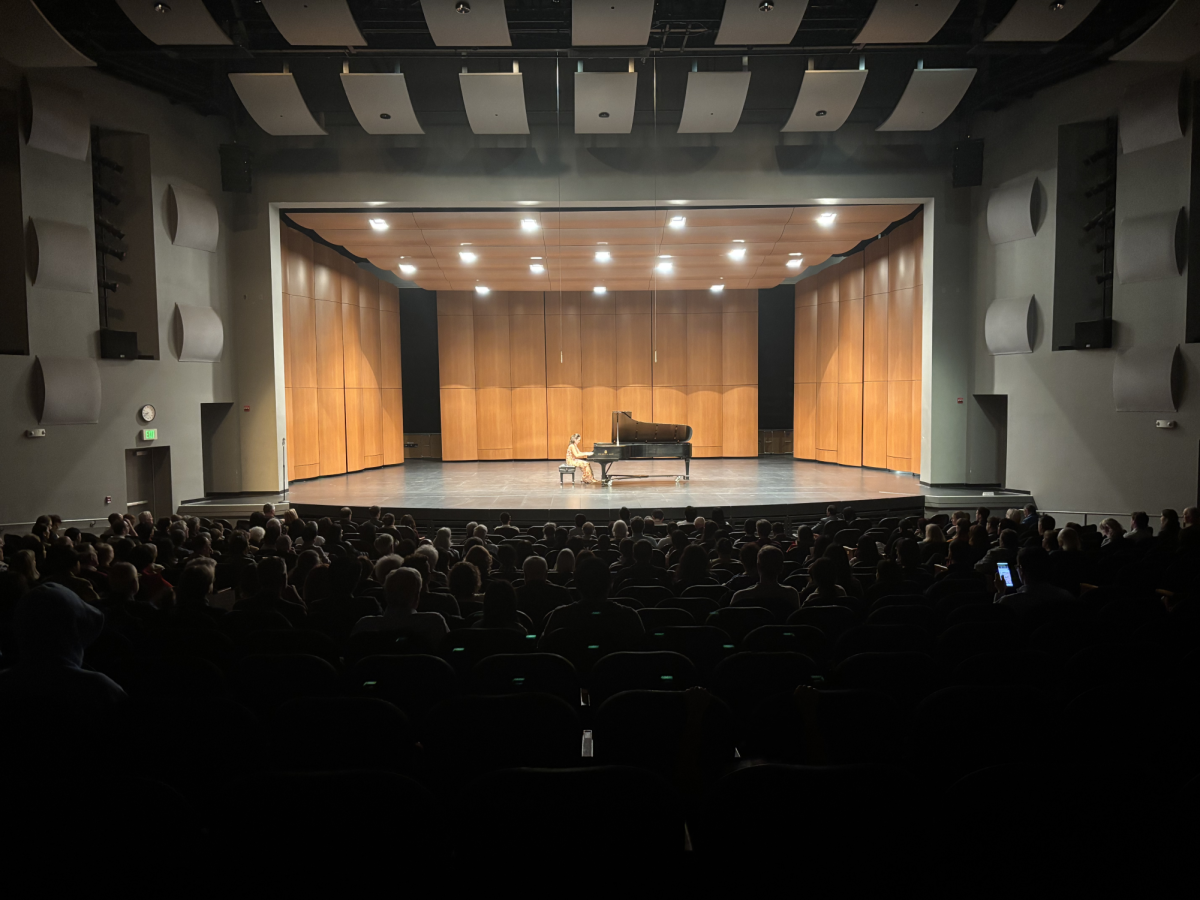















Between 2014 and 2022, large-scale remodeling and construction efforts were initiated across the district via the bond Measure E. Among the projects built at SHS were the music building, wellness center, staff lounge and engineering center.
A decade from now, the current cafeteria could become the main office. The main office could become a student union. Old classrooms could be repurposed into multipurpose rooms for robotics, drama and other extracurricular activities.
All of these developments depend on district approval of a new facilities master plan, one that will also need to be supported by a bond measure funded by local taxpayers. That bond measure could be on the ballot this November.
A facilities master plan, which was also used to spur the last round of construction at both high schools before Measure E more than a decade ago, outlines a potential blueprint and vision for district facilities over the next decade. While the entire plan will take years to complete, parts and pieces of the plan will be constructed as funding becomes available through bond measures according to a “prioritized agenda.”
Importantly, the facilities master plan focuses on bigger priorities than the day-to-day maintenance of the school, which is already managed by classified staff with routine room requests from teachers.
“If there’s something that’s broken or not working in [teachers’] classrooms or the facilities, we work to find a way to get it fixed,” principal Greg Louie said. “In terms of the big picture construction, teachers have provided their feedback to [the architects] through workshops.”
The last facilities master plan expired in 2022, and since last May, the district has been working with a contracted construction group, Anderson Brule Architects (ABA), to finalize a new one. ABA was selected from a bidding process that included three alternative architects. Two key ABA presenters at the community meeting were President and Managing Principal Lee Salin — a parent of two Saratoga High alums — and Associate Principal Kate Rivard.
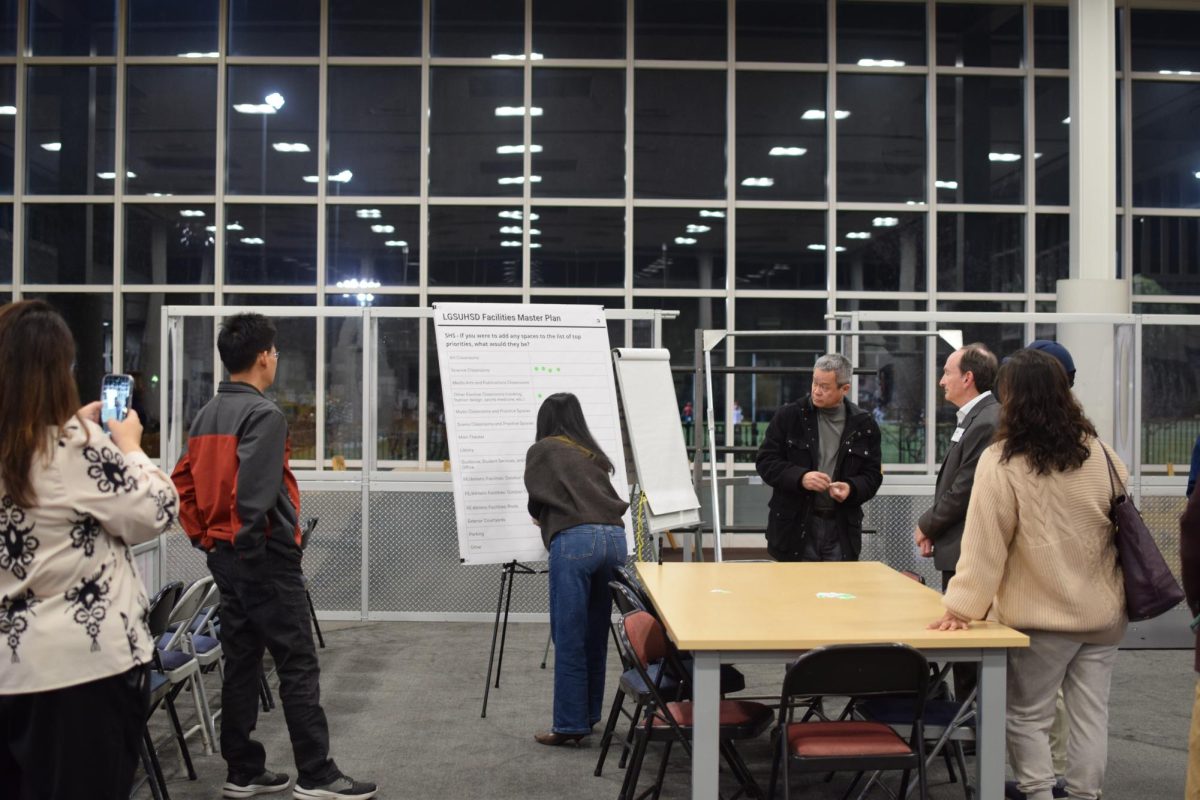
The ABA team conducted its second community meeting on Feb. 23, where only about 10 students and parents attended. The team finds that community input is critical to ensuring their list of priorities is accurate, especially as students will bear the greatest perceived benefits of the development.
Despite having low attendance, the meeting was largely a success: Students and parents who attended conveyed their opinions about the current list of priorities, which included renovating the cafeteria, existing sports facilities and pickup/dropoff procedure.
One vocal group was the parents of current students in the school’s robotics clubs, who advocated for the consolidation of engineering spaces to reduce time wasted moving between classrooms on campus during build sessions after school.
Attendees also considered the construction or renovation of a new multipurpose space dedicated to robotics; the teams currently use the library, the MAP Annex and various classrooms. These concerns were collected and added to a list of potential renovations.
Additional topics that weren’t on the primary list included renovations for the drama space — the Thermond Drama Center — and improving the general aesthetics of campus to have more curb appeal.
To put a measure on voters’ ballots to support funding for the new plan, the district’s Board of Trustees will meet on June 18 to decide whether to approve the resolution. If passed, the resolution would appear on the ballot in November for community members to vote on. According to the most recent surveys of likely voters, about 64% of the community said they would support a bond valued at $141 million.
While there is no current running document detailing the potential campus updates, results from the community survey on the potential priorities of the facilities master plan can be found in the district board meeting minutes.
“Students, parents and teachers have different levels they feel like the facilities master plan should focus on,” superintendent Heath Rocha said. “It’s really, how do we try to check enough boxes to meet all the needs of our stakeholders?”
