













When I was in elementary school, the most frequently asked question was: What do you want to be when you grow up?
The typical responses were as expected for someone in Saratoga: astronaut, doctor or firefighter. However, as the world changes, some careers are becoming obsolete as technology advances enough to take over the work traditionally done by humans. Looking back at my journey through the U.S. school system, here are a few of the dream careers I’ve left behind.
The Influencer
In fifth-grade during the COVID-19 pandemic, I wanted nothing other than to be the content creators I watched on YouTube every day. Inspired by my idols “JaidenAnimations” and “TheOdd1sOut,” two famous animation YouTubers who create storytelling content, I wanted to be an influencer simply because I thought it was easy to make a living behind a screen — I could strike it rich on the YouTube algorithm.
But not everyone wins over the favor of the YouTube algorithm. After attempting many times to post math tutorials and video editing content with barely any views, I ultimately gave up my chances of becoming a YouTuber.
Since I was constantly exposed to hundreds of successful channels and creators on online video platforms, I was tricked into believing that anyone could be one of them. Looking back, I realize the scarcity of famous YouTubers actually mirrors the number of people who are struggling to get careers today.
There are only about 69,000 channels globally with over a million subscribers, which is a tiny fraction of the 115 million channels on YouTube. With these statistics, that means that you’d have a 0.06% chance of being one of the small chunk of YouTubers who make a good income of about $150,000 (even so, it falls short of the $163,000 needed to live comfortably in California, according to a recent study from the Economic Policy Institute). Given the chances, I’ve concluded it’s practically impossible for me to make a sustainable living through YouTube fame.
The Video Editor
Since my plans of winning the YouTube lottery and becoming a content creator were slim, I decided to rely on the merit of my strengths. There’s a tradition in East Asian cultures, often mentioned in Confucian work ethic: The harder you work, the more you get rewarded.
This mentality has been present throughout my life, and it was at the forefront during my middle school years in particular, when I poured hours into mastering video editing for school projects and my robotics team. I was so dedicated to and impressed by the craft that I aspired to be a video editor, hoping to have a job that I not only enjoyed but could not get bored with.
My dreams of switching from an influencer to a video editor, however, came to a halt last September with the release of Sora 2. When generative AI can recreate cinematic videos in seconds, the manual labor that human editors go through loses its market value. My technical skills in video editing, which I spent years mastering, seemed to be rendered obsolete by AI-driven automation — just one of thousands of such jobs that are now seemingly on the chopping block.
The Undecided
After hearing online that humanities careers were deemed useless now because of AI’s ability to create art/videos even more efficiently than humans, I was told to lean into STEM fields even more. In my two years of high school so far, I’ve fallen in love with statistics and data science, discovering my enjoyment for the problem-solving side of math.
Looking for places to apply these skills in the real world, I’ve explored careers like becoming a behavioral data analyst — a career that I believed would remain secure because it deals with numbers, something that AI frequently struggles with in its early stages of development.
I wanted to pursue this career, as it has been the skeleton of my future since my freshman year. But I’ve recently learned that AI is evolving to take over these analytical jobs, too.
So what’s next?
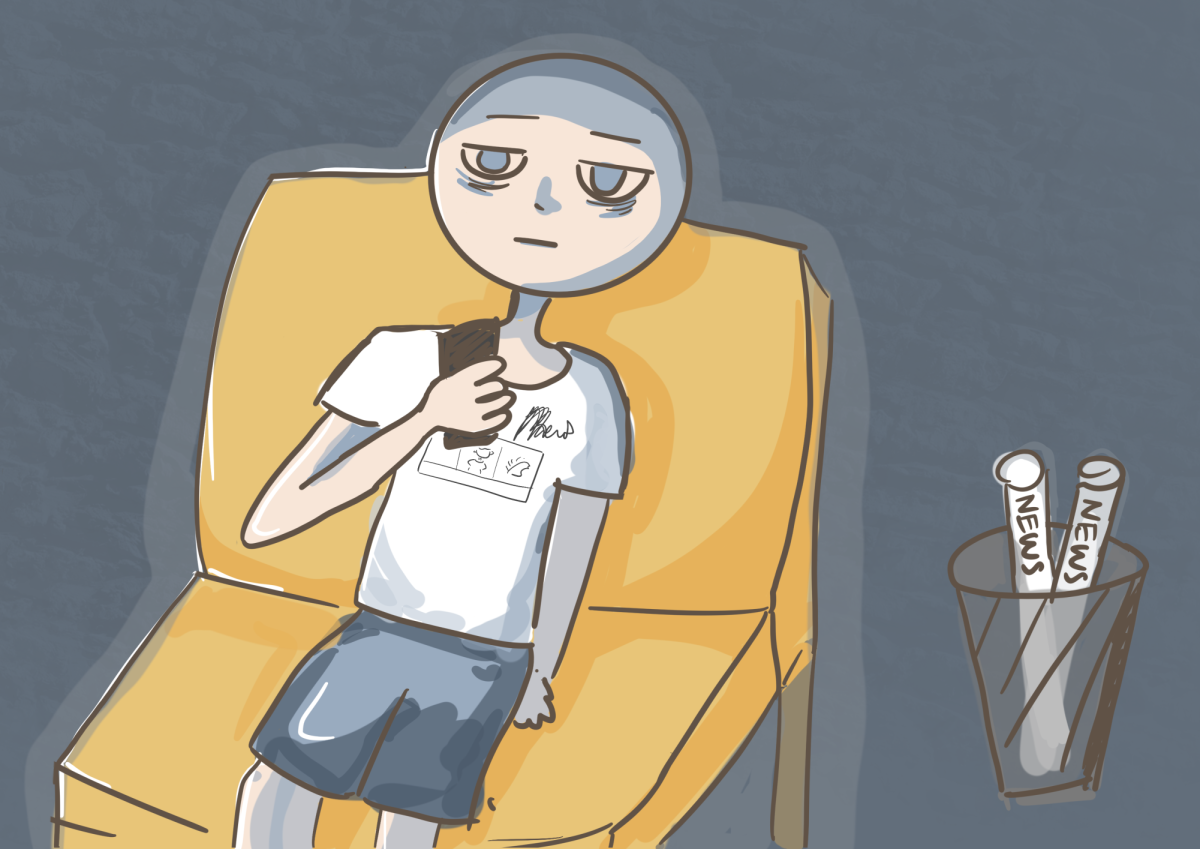
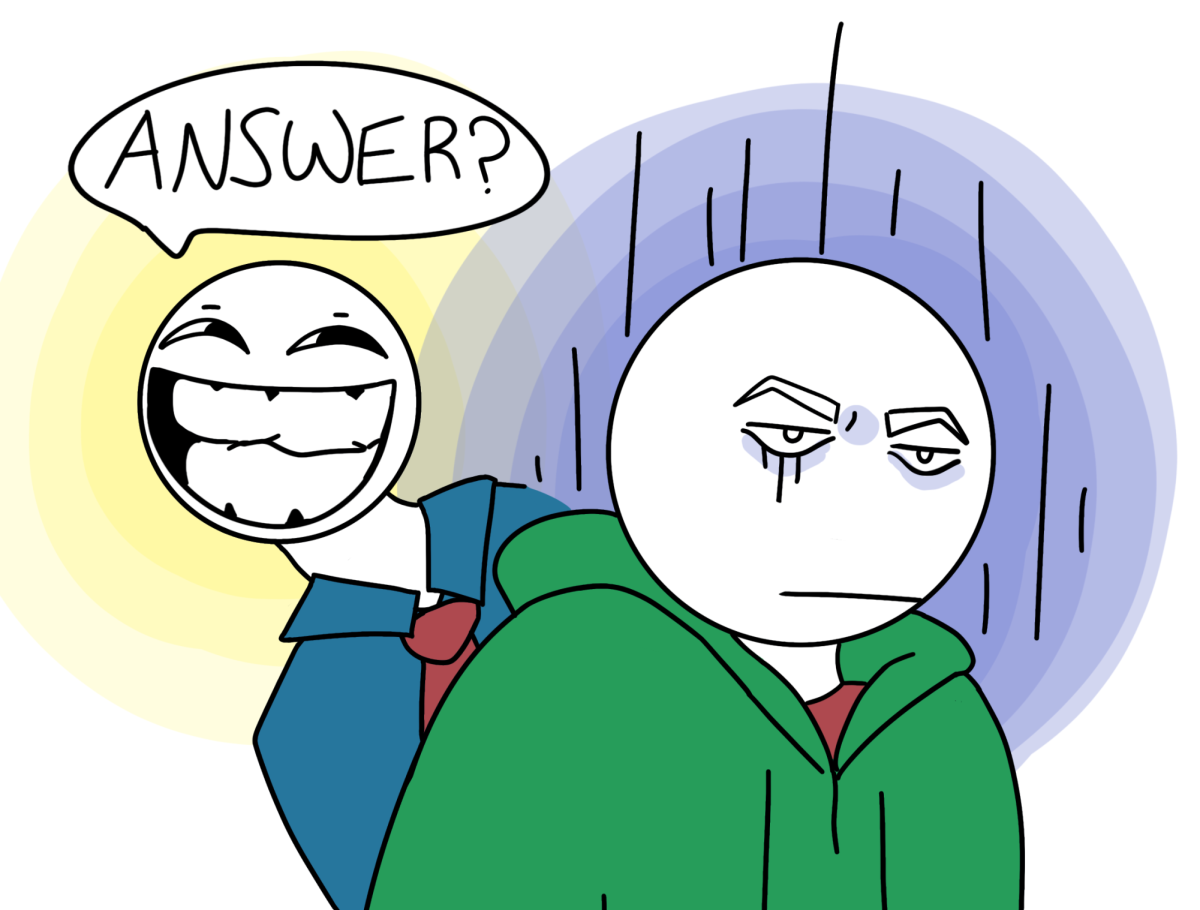
So as of today, like many teens, I still have no clue what I want to or can do.
Looking back, I’ve realized how drastically the world can change. While my generation has been taught from a young age that our career goals are achievable through hard work, constant disruptive technological advancements are making planning for future careers increasingly hard.
This shift forces teens like me to feel tempted to abandon their interests and strongly consider careers that they might not enjoy, seemingly for the sake of sustainability. As a Gen Z individual, I belong to one of the first generations that cannot simply pick a career based on what they love, but must strategize for finding one that a machine cannot replace.
