








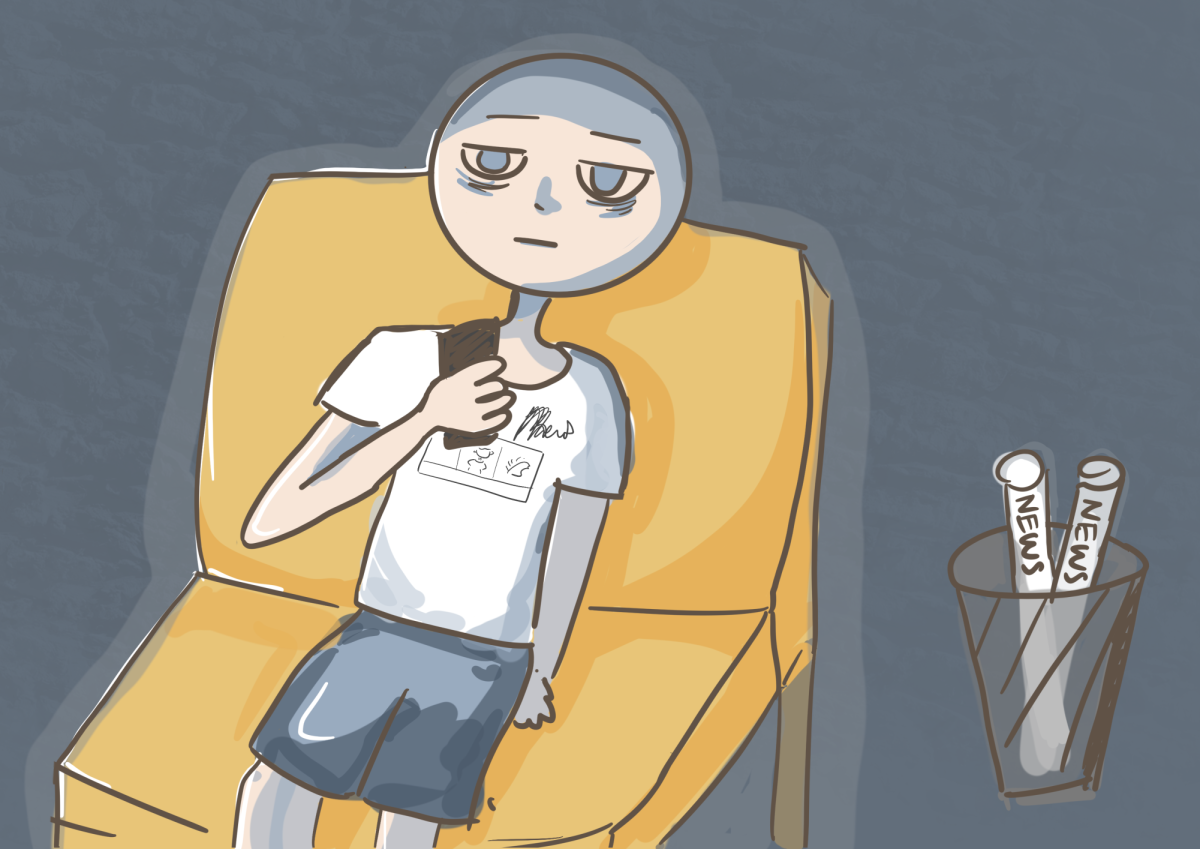







With academics on the forefront of many students’ minds, personal struggles often go unnoticed, making those suffering feel solitary in their struggles.
The Falcon sent out an anonymous form to try to see what is going on below the surface. Responses varied from the lighthearted “not seeing my crush every day” to the heavier intricacies of dealing with insecurities and keeping them hidden.
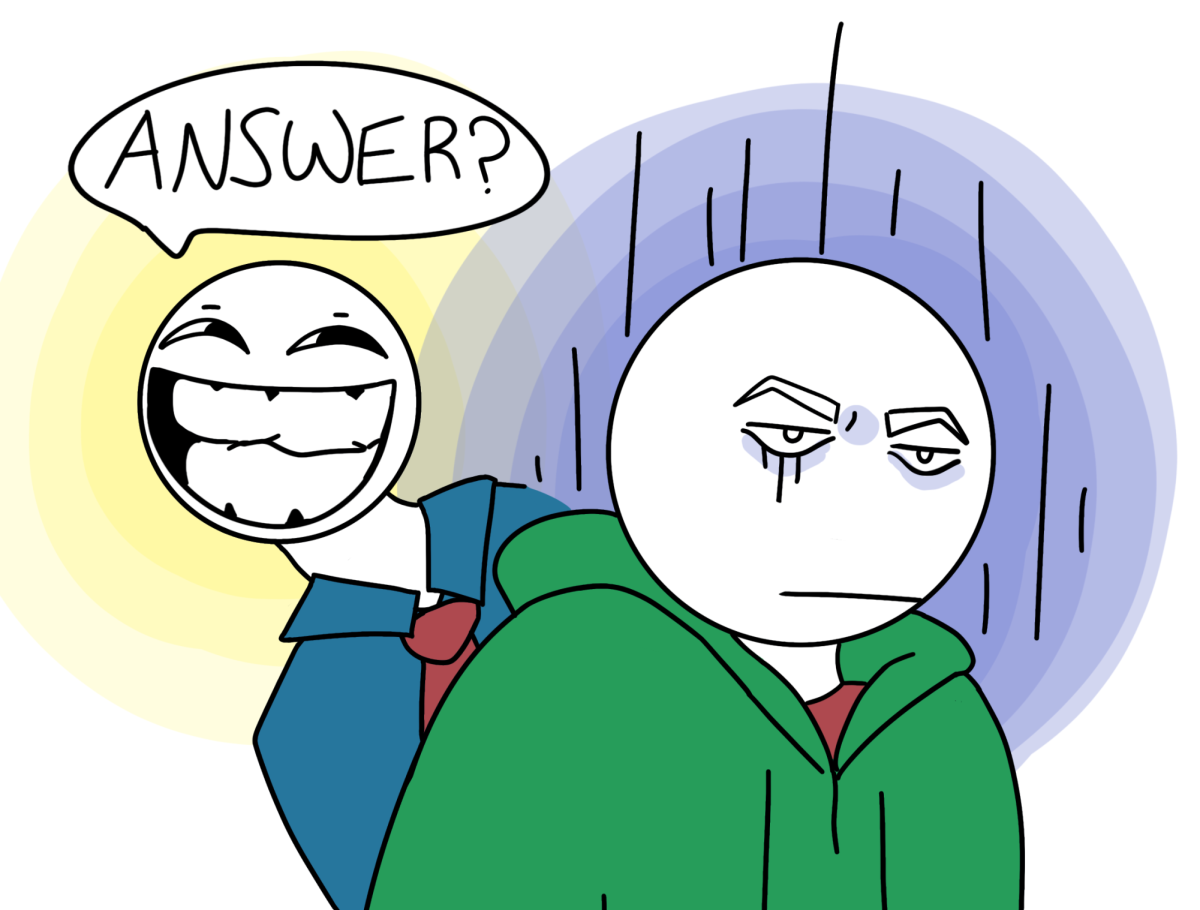
What is a struggle no one knows about?
Asked the question “What is a struggle no one knows you go through,” many students pointed to their struggles with insecurities and feelings of inadequacy, or being judged by others.
“I’m really insecure about almost everything,” one student wrote.
“The fear of being judged,” another added.
Others described mental health challenges, struggles with emotions and difficulties dealing with intrusive and demeaning thoughts.
One student wrote, “Dealing with mental health — going through periods of being numb and empty, [feeling] unable to do anything and having unwanted thoughts.”
To no one’s surprise, academic pressure emerged as a common theme, wrangling all the different tests, on campus and standardized tests.
Another said, “Academic pressure to do well on the SAT. I excel in subjects at school but my SAT score is horrendous, and I struggle with raising it.”
Some only required a single, meaningful word to capture their main struggle.
“Food.”
Why does no one know?
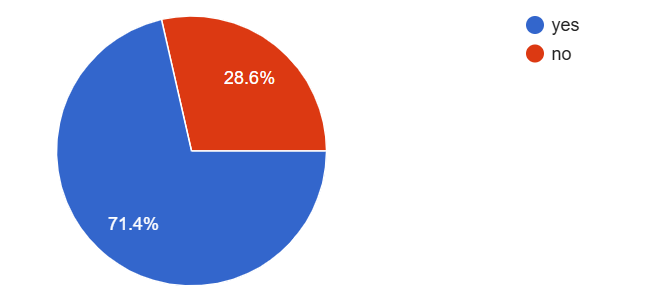
In a poll directed to figure out if these problems are intentionally hidden from others, all five of these responses marked “Yes.” When asked why, the responses went as followed:
“I don’t want to be a burden.”
“Self-consciousness.”
Others felt that sharing wouldn’t help either party, and involving more people wouldn’t do much to stop the feelings.
“It is difficult to get people to understand and empathize in a way that will help, even if they have good intentions and want to help (which is not their fault). Outside of one really trusted person to work on those issues, it is very unnecessary for a bunch of people who don’t really know me to know about it … it would create a lot more to deal with for virtually no payoff,” one student said.
Feelings of being ashamed and less than because of their problems also keep students silent.
One wrote, “I don’t tell anyone my score because it is way below the average SAT score here at SHS.”
Another said, “Because it’s shameful. Such a simple necessity controls my life.” Perceived Burdensomeness (PB), or the distorted internal belief that one’s existence or problems are a liability or strain on loved ones, is a psychological phenomenon that is studied in the context of mental health.
This cognitive distortion makes it difficult to reach out to family or friends because you convince yourself of what others will think before you even ask. Talking about eating disorders and other aspects of mental health is hard, but you would be surprised by all the people who are waiting to not feel alone with their struggles.
In a 2024 data collection by Compass Health Center, it was found that 42% of teens experience continuing feelings of hopelessness and sadness, an estimated 31.9% of teens experience an anxiety disorder and around 20% of teens experience depression by the age of 17. These high rates of mental health struggles reflect the school and the rest of the teen population, ultimately suggesting the commonality of these experiences.
