











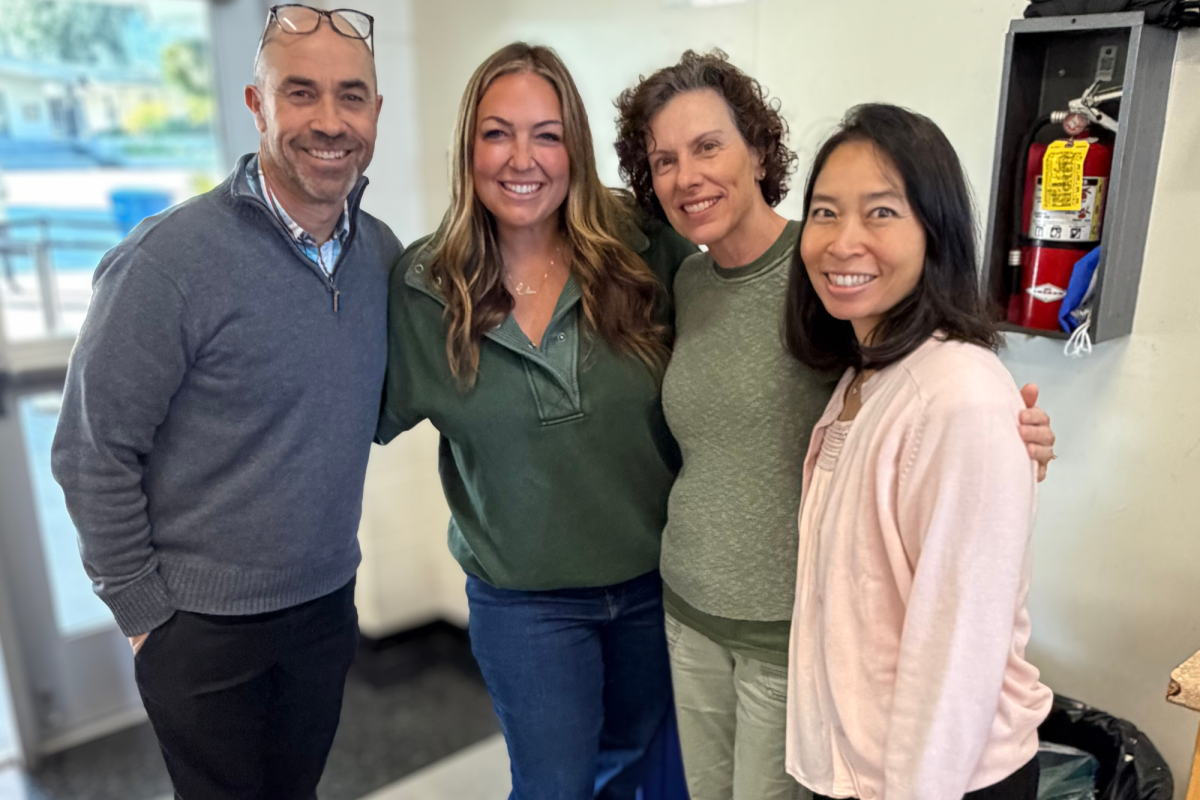
Courtesy of Frances Saiki
The four counselors’ offices are located adjacent to each other in the main office.Enter the administration building and veer left as you head to a space on campus that nearly every student becomes well acquainted with by the time they graduate: the guidance area or, simply, guidance.
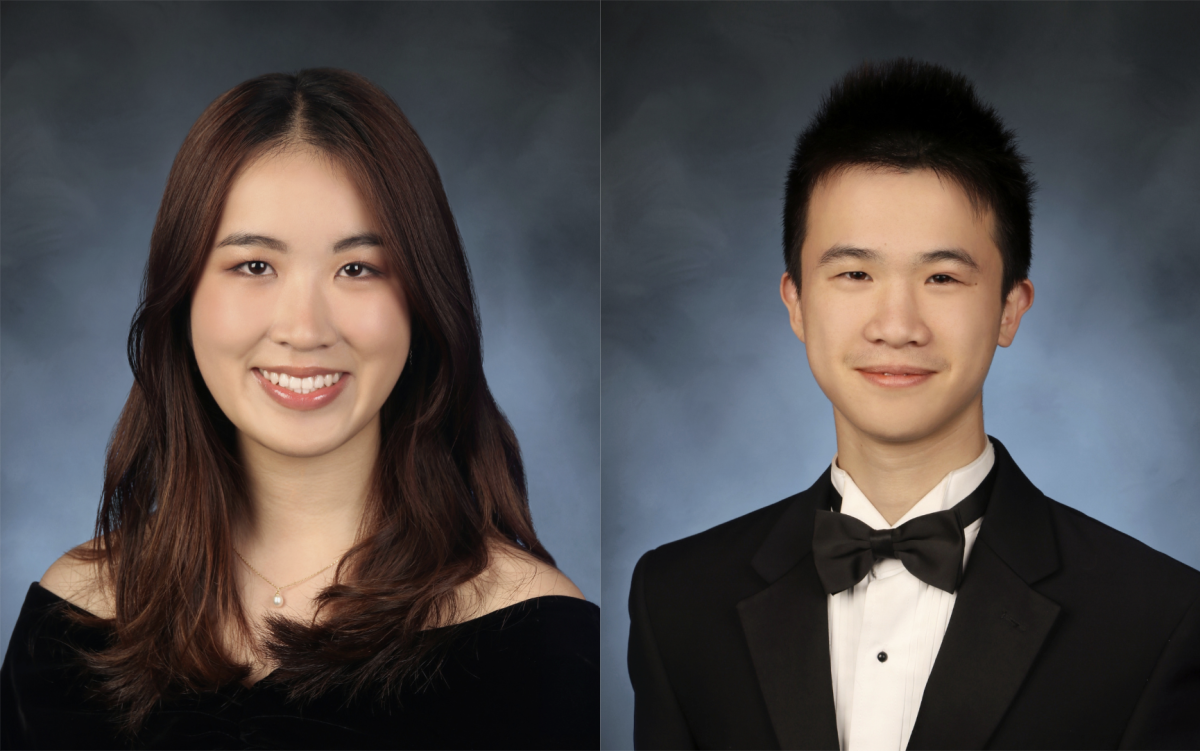
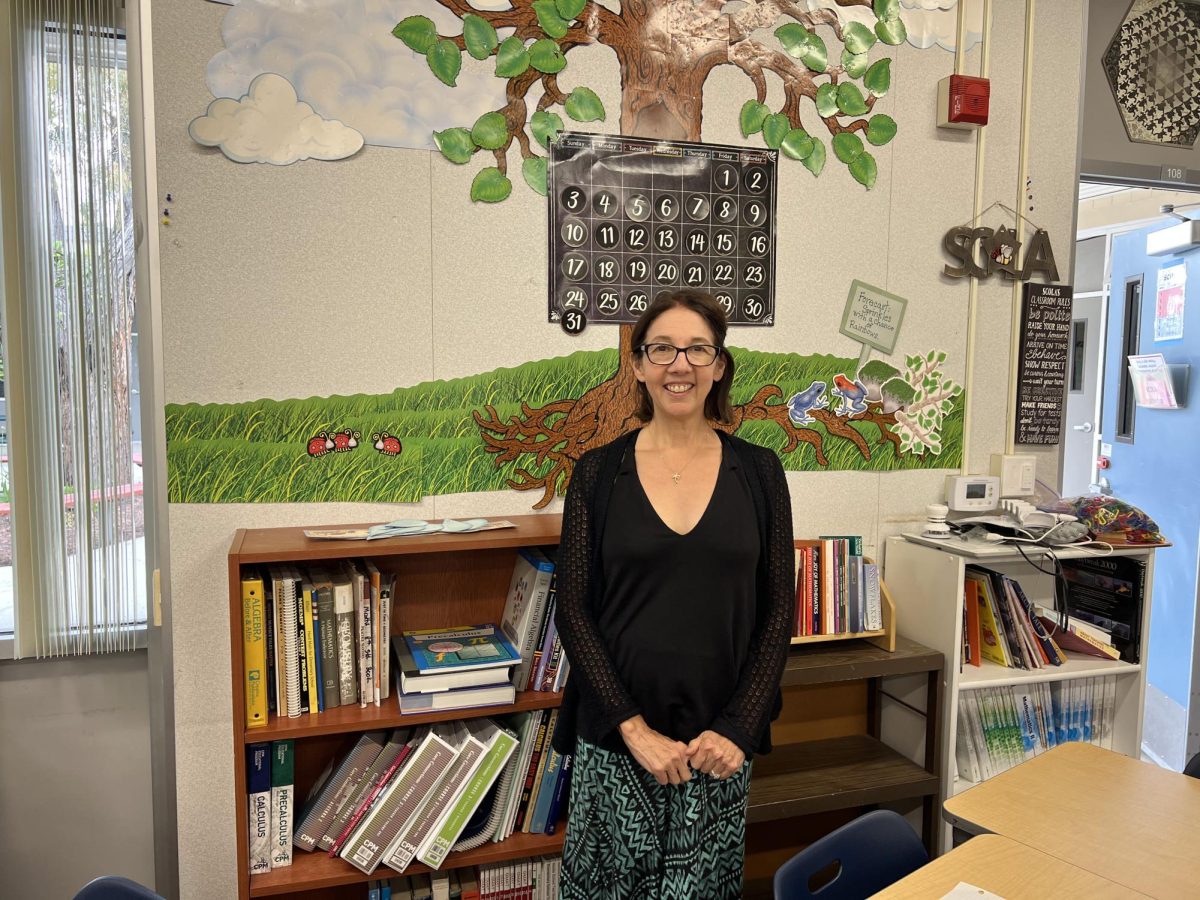
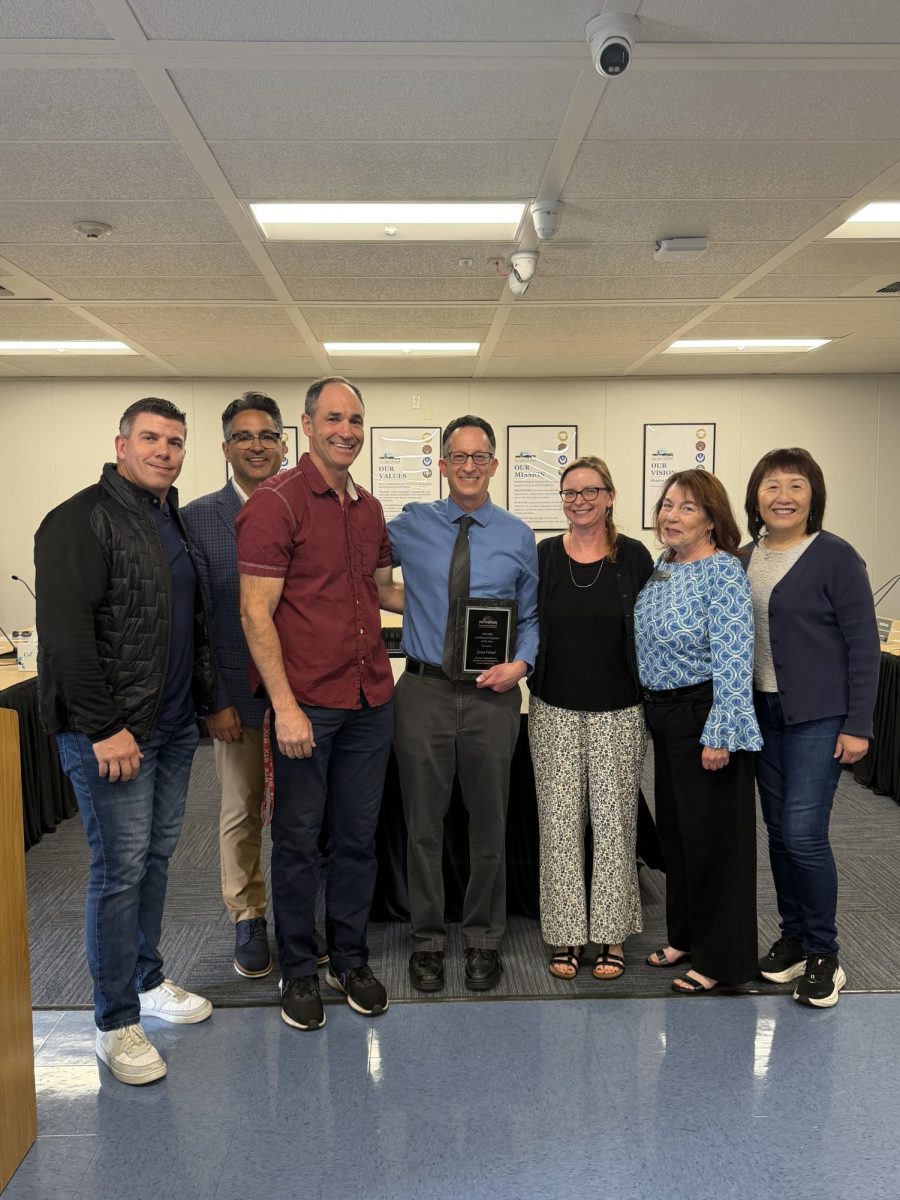
Inside four small rooms in the area sit counselors Mary Carol Bernal, a part-time counselor who helps students with the last names from C-F; Frances Saiki, who helps students G-L, Eileen Allen, who helps A-B and M-R and Brian Safine, who helps S-Z.
As a team, each of them work to support students’ academic success and mental well-being. While every student walks through the counselor doors at some point, few understand the scale and scope of the counselors’ jobs.
In many ways, students are lucky to have this guidance team, a group that has deep experience in the profession and have the ability and willingness to know them individually.
Historically, California has one of the highest student-to-counselor ratios in the nation, often exceeding 500:1 or 600:1 on average across the state, and having an average 432:1 as of last year, according to The American School Counselor Association.
The ratio here is better. According to Safine, each counselor has about 320 students, which is less than neighboring schools such as Lynbrook with a ratio of approximately 1:429. In this context, SHS counselors can spend more time getting to know and help their students than a counselor in a typical California district.
Still, the job of guidance counselor here has many challenging aspects, especially the expectation that nearly every student will attend college and perhaps even a top-flight one. Students and parents also expect immediate and effective service from counselors whenever challenges arise.
“If I get a schedule change request from a student during the summer, there’s an expectation that I will make that change before the school year starts,” Safine said. “We’re very lucky to be in a community that values education, but with that comes something that differentiates us from a lot of other schools, which is high expectations in customer service.”
In an environment like Saratoga High, counselors act as much more than just academic supporters who make sure students meet their A to G requirements for admission to University of California schools.
They are also a key part of the mental health team that helps students navigate through a high-pressure culture.
The daily tasks of the job
At the start of each semester, schedule changes quickly become the main focus for counselors — the typical number of requests can reach 800 across all grades. Working closely with the math and world language departments during placement tests, counselors receive feedback from teachers to make adjustments.
Counselors also plan check-ins for students throughout their four years of high school. Freshmen visit in small groups for an introduction to high school; sophomore and juniors meet individually with counselors to discuss course planning and graduation requirements; seniors meet with counselors for guidance on the college application process.
Working with upperclassmen on college admissions is a counselor’s most significant responsibility; they not only brainstorm college lists with students, but also spend the bulk of fall semesters writing letters of recommendations.
“I take a lot of extra time to write recommendation letters because I want to write a unique letter for each person,” Saiki said.
As the year wraps up, counselors shift into logistical details. For one, they update databases within Naviance — a college and career readiness platform — to ensure that each graduating student’s college destination is correctly listed. Counselors also send final transcripts for every student to their college.
To Junior Kyle Liu, academics and organization without counselors becomes difficult to manage.
“Counselors are always there to clear up my confusions and answer questions about course details,” Liu said. “Their impact can transform a student’s uncertainty into confidence to pursue a future lasting far past high school.”
With an immense workload, counselors use several tools to help ensure every student succeeds in their academic journey.
Aeries, a portal for accessing crucial school data like grades and attendance, has a counseling tab where Safine and Saiki can record notes from student meetings.
“I’m a big note taker,” Saiki said. “I feel like each student has their unique interests, passions and stories, so I like to write everything down just to help recall and connect with students.”
As counselors push through their demanding responsibilities, they also recognize the most challenging aspect of their job to be supporting students during serious physical and mental health crises. While working with students who have terminal illness or those with depressive episodes can be emotionally difficult, the counselors believe that helping students during their most vulnerable moments is the most meaningful part of their work.
“Anytime you’re dealing with a teenager in very serious physical or mental health challenges, it’s hard,” Safine said. “It’s the most important work that we do — supporting students at their time of greatest need.”
Allen takes special care of intercommunication between students, parents and teachers. She attributes maintaining clarity and being diplomatic between all groups to be another challenging aspect of the job.
For Bernal, tuning to each students’ personal needs is integral, yet a difficult challenge. Before giving an accurate answer, she tries to understand the needs of her students in order to tune to their needs.
“Some students have needs that are personal, sometimes educational and sometimes they don’t know what their needs are,” Bernal said. “A large aspect is trying to figure out what type of guidance is tailored to each student.”
Navigating high school and transitioning into college — especially with a myriad of information on the internet — is complicated. Safine recognizes that his years of experience he brings from working with students allows him to guide them towards options best for their individual interests.
At the same time, the ability to support students in this way remains one of his most enjoyable aspects of being a counselor. Safine takes particular satisfaction in watching students find their passion. Additionally, that fulfillment extends beyond academic planning and into the everyday moments of student life.
“We love going to extracurricular activities. We love seeing quad days and BnB,” Safine said. “There’s a lot of joy in planning a student’s academic path, but then also a lot of fun when we can see students doing what they love most in high school.”
For Saiki, personal relationships are a strong connection that she cherishes with students. As an avid listener who loves to provide an ear, simply being present alongside her students is one of her favorite honors.
For Bernal, her job is about more than the high school or college experience.
“I feel like when I’m working with high school students, I’m looking at the future,” Bernal said. “I’m grateful to see that optimism, that hope, that idealism, the idea that you know what students are planning to do is super important to them. I feel grateful to be helpful in any way, shape or form, in that journey.”

Arati Nagaraj • Mar 2, 2026 at 10:36 pm
As an alum parent, I would like to thank this incredible team that got both my kids through SHS (and college). Both kids are now out of college and are thriving. Our family thanks this team for all that they did, and continue to do for the students and families of SHS. Go Falcons!