



















Athletic trainer Kevin Attard resigned from his position at the school after receiving a job opportunity at Archbishop Riordan High as an athletic trainer and performance coach.
Around the same time last year, longtime athletic trainer Caitlin Steiding left the district after receiving a new job as a manager at Golden State Orthopedic & Spine.
The school has lost two athletic trainers in the last two years, both at the turn of the semester. Athletic director Rick Ellis doesn’t attribute it to low wages, saying the position receives pay on par with other local schools such as Los Gatos.
Still, Ellis said that he understands their decisions.
”[Steiding and Attard] both had opportunities professionally presented to them, and they jumped on it,” he said. “They’re both young, and it would have been nice to finish out the year, but when that kind of opportunity kind of arises, as hard as it is to have him leave, I kind of get it, too.”
At Riordan High, Attard will be able to teach strength conditioning and sports medicine as a performance coach, on top of being an athletic trainer. Plus, the position is full time and the school is only around 10 minutes away from his home in south San Francisco.
In place of having an athletic trainer on campus, the school has been using a platform called GoFan, which connects temporary athletic trainers who come to supervise school games. So far, each contest has had an available trainer to do tasks such as taping ankles or treating injuries.
The biggest issue with not having a permanent trainer is that no trainer is on campus for practices. While this means that students may not be able to receive immediate medical attention, it’s also true that the majority of high schools nationwide don’t have full-time athletic trainers either, according to a survey by the Journal of Athletic Training.
As of now, coaches, who are all qualified with first-aid training, are doing what they can in the event that a student does get hurt during practice, barring severe injuries.
Not having a regular athletic trainer on campus means athletes won’t have the same on-campus access to regular health follow-ups after injuries. This could slow down the recovery process, athletes say.
Junior Anson Hulme, who plays varsity football, basketball and volleyball, said not having an athletic trainer mostly affects treatment for lingering injuries and minor injuries that occur during practices.
“[It helps recovery if] you’ve had that trainer over a decent period of time, because they know how to help you and they’ve helped you multiple times. It’s nice to just have a trainer at the games, even if he or she is there just for the first time, but it’s also nice to have one that’s been there for a while,” Hulme said.
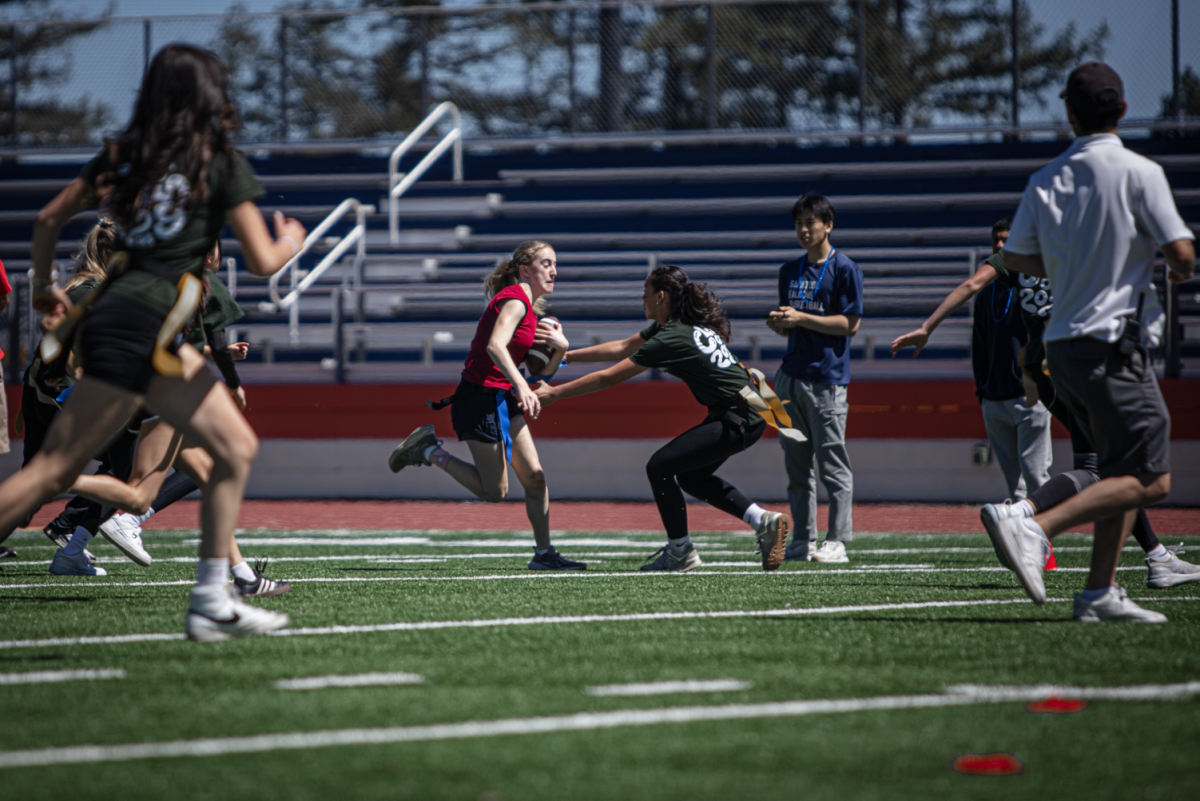
For him and his teammates, not having an athletic trainer makes soreness or sprains more difficult to deal with, and some players are no longer able to get their ankles taped before practices, which the athletic trainer usually does for them. Instead, when minor injuries or pain comes up, they either sit out or “keep an eye on it” during practices. Others use ankle braces during practices and get them taped during games when an athletic trainer is available.
“But it’s hard when they keep leaving, and it’s hard to not have a trainer,” Hulme said.
Ellis said the school is doing the best it can to secure a more permanent athletic trainer through GoFan as soon as possible, though the goal is proving difficult to achieve.
“The timing of this is tough; whenever someone leaves mid-year, it’s hard to fill it full time, because the people who are looking for jobs already have them,” Ellis said.
