
















As a second-semester junior who’s already braved two second- semesters as an underclassman, there’s a lot of advice I wish I had known as a freshman and a sophomore.
My advice is more about general time management skills and balancing your schedule. This guide is yours to make the most of second semester.
For freshmen
In general, freshmen will have the most free time of any class. Class difficulty stays pretty consistent between the two semesters, so study habits and focusing techniques can be carried over.
With a generous amount of free time, freshman year is the time to try new things, especially since later years of high school will require more time and effort academically. It’s the time to try a new sport, meet new people or do something unconventional that stretches your boundaries (think of joining Winter Percussion or Guard if you haven’t been as involved in music or volunteer with a new organization, for instance).
Now is also the time to start considering which classes you want to take in your next three years of high school. I recommend asking for advice from upperclassmen (don’t feel intimidated!) in regards to specific classes and subjects they took, and what activities they found themselves drawn to.
It’s never too early to think about your summer as well — two months is a lot of time to get work done. It’ll also set you up for success during the school year.
If you’re looking to take advantage of the summer, the Falcon published a guide for alternative summer opportunities and how to distinguish between valuable and less-valuable experiences. The earlier you start working or building a project, the more valuable it’ll be, especially if it’s something you’ll dedicate many years to.
For sophomores
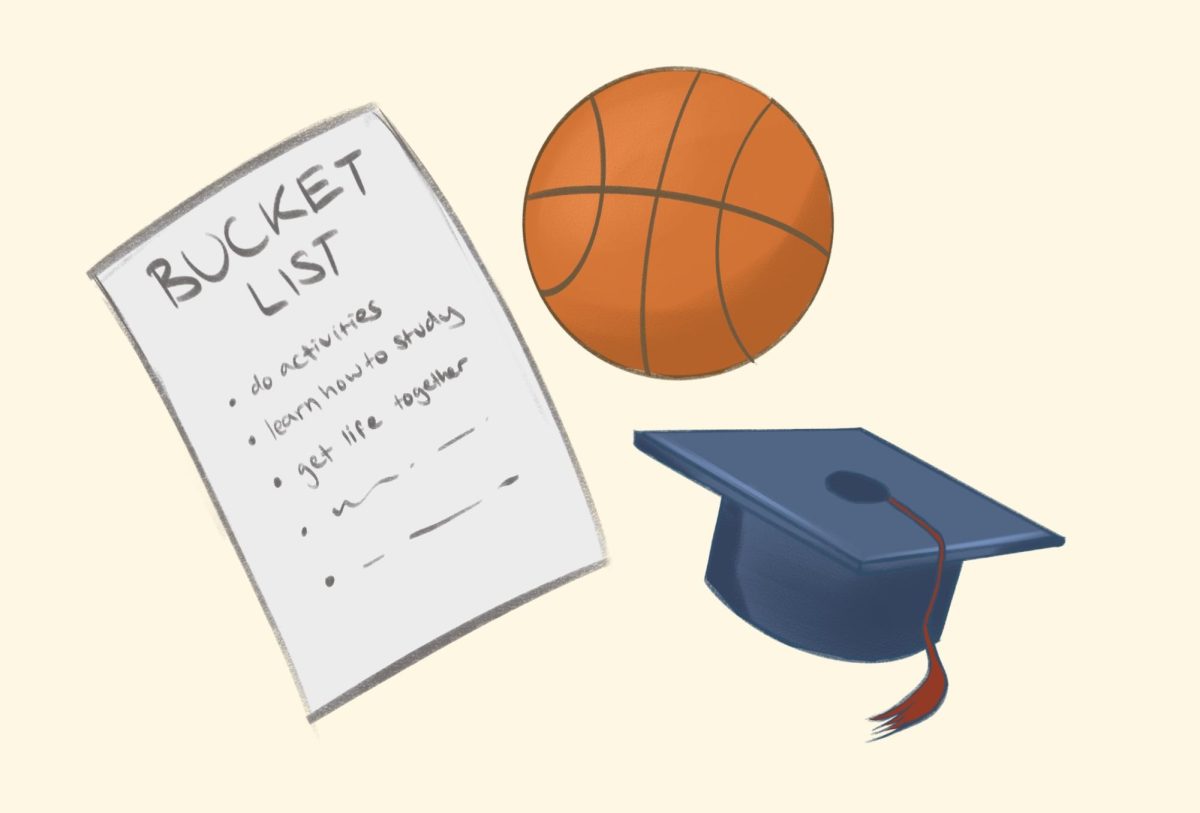
The second semester of sophomore year is a time for introspection: Think about what you’ve already achieved in school so far, and make a “bucket list” of things you still want to do. Planning ahead can break down your goals and make them more achievable.
In case your interests are unclear, the second semester still offers space to start new activities.
Don’t let hyperfixations on college admissions guide you, though; thinking that far ahead can be overwhelming and even debilitating. Instead, naturally dive deeper into what you enjoy, and make sure your achievements are legitimate rather than last-minute “resume filler.”
Junior year is the most important year of high school, and it doesn’t hurt to start frontloading the work you’ll do later on. Double check with your counselor that you’ll be able to fulfill all of your graduation requirements, and brainstorm ways you can prepare this semester or summer to make next year just a little bit easier.
In terms of summer planning, the same advice as earlier applies: Focus on legitimate interests, while balancing studying and relaxation for the long year ahead. Try to learn more about your interests through field experience. Upperclassmen are your biggest resource, since a lot of them are planning to enter diverse fields and already have experience navigating the process.
When it comes to academics, your second semester classes will be relatively easier since you’ve already learned how your classes are structured and what study methods work best for you.
In general, second semester advice comes best from those who have already gone through similar schedules or future plans as you. Your best bet is to ask around for specific tips, but know that you’ve already survived one semester — the second always has room for a comeback!

