






























As long ago as 1925, early manufacturers realized that lightbulbs were lasting too long, so they agreed to reduce the lifespan of lightbulbs by over 50% — from 2,500 hours to 1,000 hours. This was one of the first early examples of planned obsolescence — companies deliberately making inferior products in order to make more money.
Similarly in 1924, General Motors was the first automaker to release a non-black car. This caused a change in how people viewed cars; different colored cars like red and green symbolized wealth and opulence. Afterward, General Motors introduced new design features and new colors each year, with the idea of having models more quickly become outdated. In 1934, the average length of a car ownership was five years, but by 1955, it had fallen to two years.
By 1932, Bernard London officially coined the term “planned obsolescence” in the pamphlet “Ending the Depression through Planned Obsolescence.” One of the worst effects of planned obsolescence is that it forces consumers to repurchase goods more often than necessary, causing incalculable damage to the planet in the process.
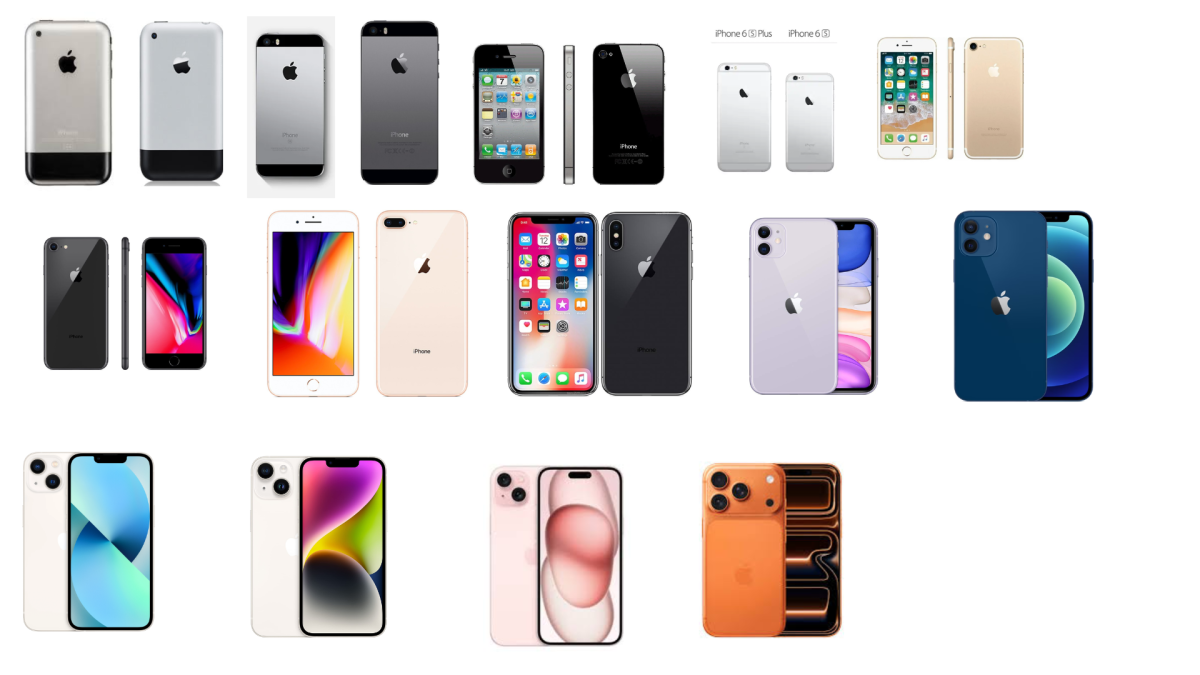
Today, tech companies are notorious for it. Phones begin to lose battery capacity only months after purchase. Laptops can stop working if they absorb even the smallest amount of water caused by a spilled glass. Your grandparent’s ancient washing machine from the 1990s has outlasted the three washing machines your parents have bought in the last 20 years.
All things considered, planned obsolescence needs to go.
Not only does it leave the consumer with a hatred for the company, but these products quickly become more waste — harming the environment in the process. According to the United Nations sustainable development program, in 2022, the world generated 62 million tons of e-waste alone — and what was estimated to be 65.3 million tons of e-waste in 2025 — of which only 22.3% was properly collected and recycled. The rest is burned and dumped in landfills, contributing to a major source of climate change and global warming.
The manufacturing and transportation of these excess products also leads to increased pollution. For example, the mineral cobalt is a major component of cell phones, but it is linked with environmental harm and its mining to human rights abuses.
Planned obsolescence also hinders innovation. In a world where around 8.5% of people live in extreme poverty — less than $2.15 a day — the need for better innovation is crucial. Instead, the focus on groundbreaking, durable products has been shifting to designing products with shorter lifespans and incentivizing consumers to buy more products.
In all of this, the consumer suffers. Constantly buying new products due to short product lifespans and societal pressures of always having the newest and flashiest products can result in unnecessary spending and debt accumulation. Furthermore, this disproportionately affects less wealthy consumers, as many cannot afford new upgrades and are left using outdated products which are no longer up to par due to the manufacturers’ deliberately shoddy manufacturing.
Ultimately, to help decrease climate change, increase innovation and prevent unnecessary financial strain, planned obsolescence should result in a wide range of disincentives for companies, everything from costly lawsuits by unhappy consumers to heavy fines from governmental agencies. As a whole, companies should spend their resources increasing their products’ quality and lifespan rather than trying to always upsell consumers on the next big thing.

