










Courtesy of Alex Ge
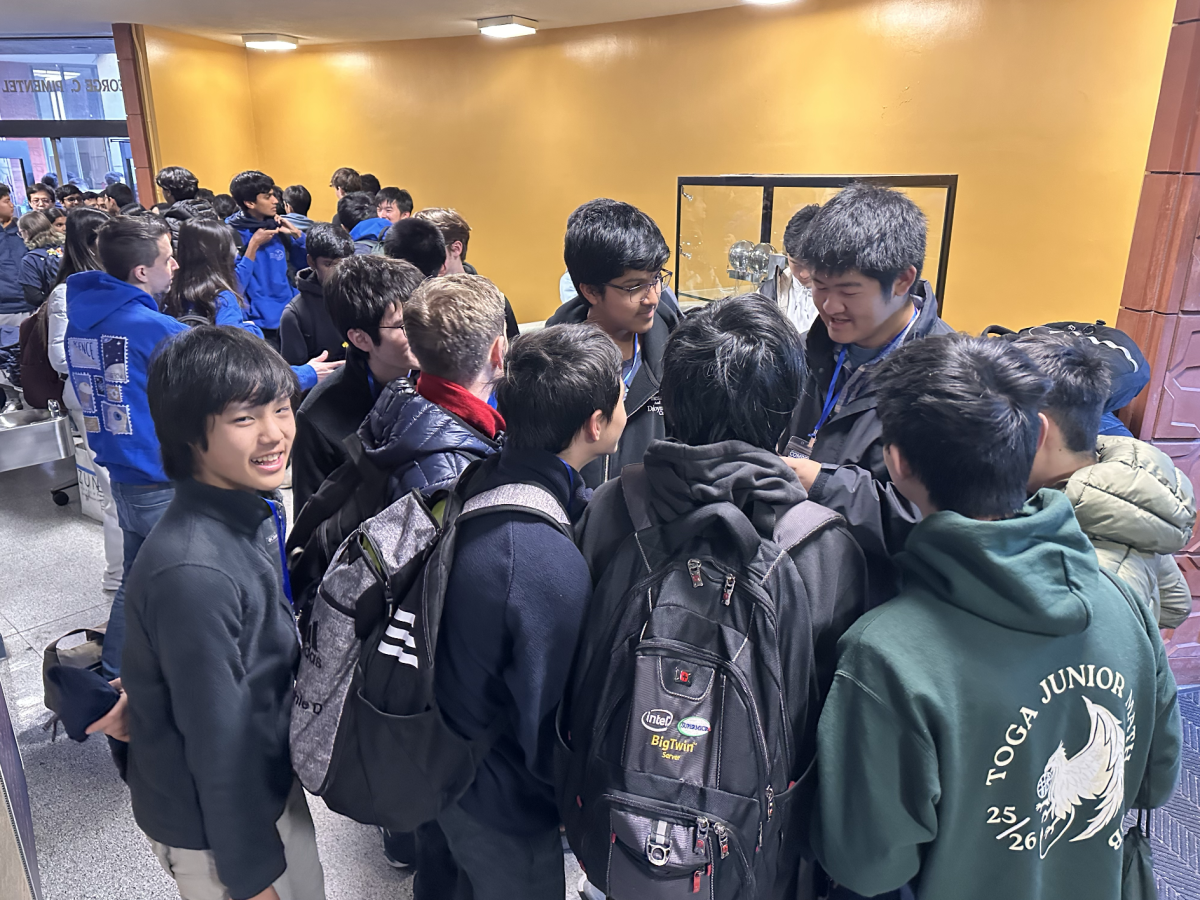
During last year’s Berkeley Science Bowl Tournament, senior Alex Ge and the rookies on his team gather around to talk about strategies between rounds.Room 1011 was silent except for the air conditioner’s low hum and the scratching of pencils on scrap paper as 15 Science Bowl members recently worked through practice questions and scribbled calculations. This was just another extended after-school practice for the big tournaments the weeks ahead.
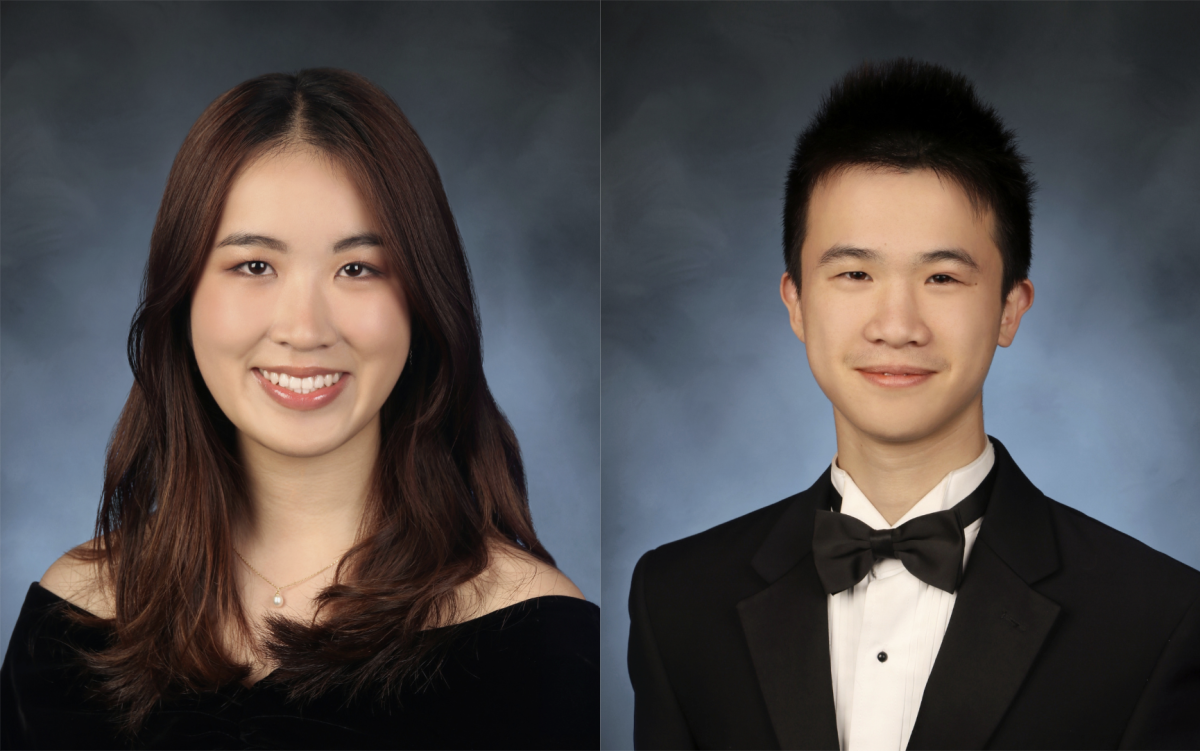
The team’s captains are seniors Maxim Rombakh and Alex Ge and sophomore Edward Chee. To prepare for their upcoming high school Bay Area regional tournament at Stanford’s SLAC National Accelerator Laboratory on Feb. 28, they increased the team’s practices from one to two every week. Ge said their practices have also gotten longer, stretching from one hour to as much as two and a half hours.
Science Bowl is a fast-paced, buzzer-based competition where two teams of five answer questions measured by speed and accuracy.
A typical competition preparation packet covers six academic subjects: biology, chemistry, earth and space, math, physics and energy. Additionally, each question comes with a toss-up bonus pair worth four points; the team that gets to the answer first is awarded a chance to answer a bonus question in the same category for 10 points.
Verbal communication is only allowed during the bonus round, which puts an emphasis on individual knowledge, quick reaction time and predictions on toss-ups. Notably, team chemistry is at a premium during the more difficult bonus questions, where collective knowledge and communication become integral factors in winning.
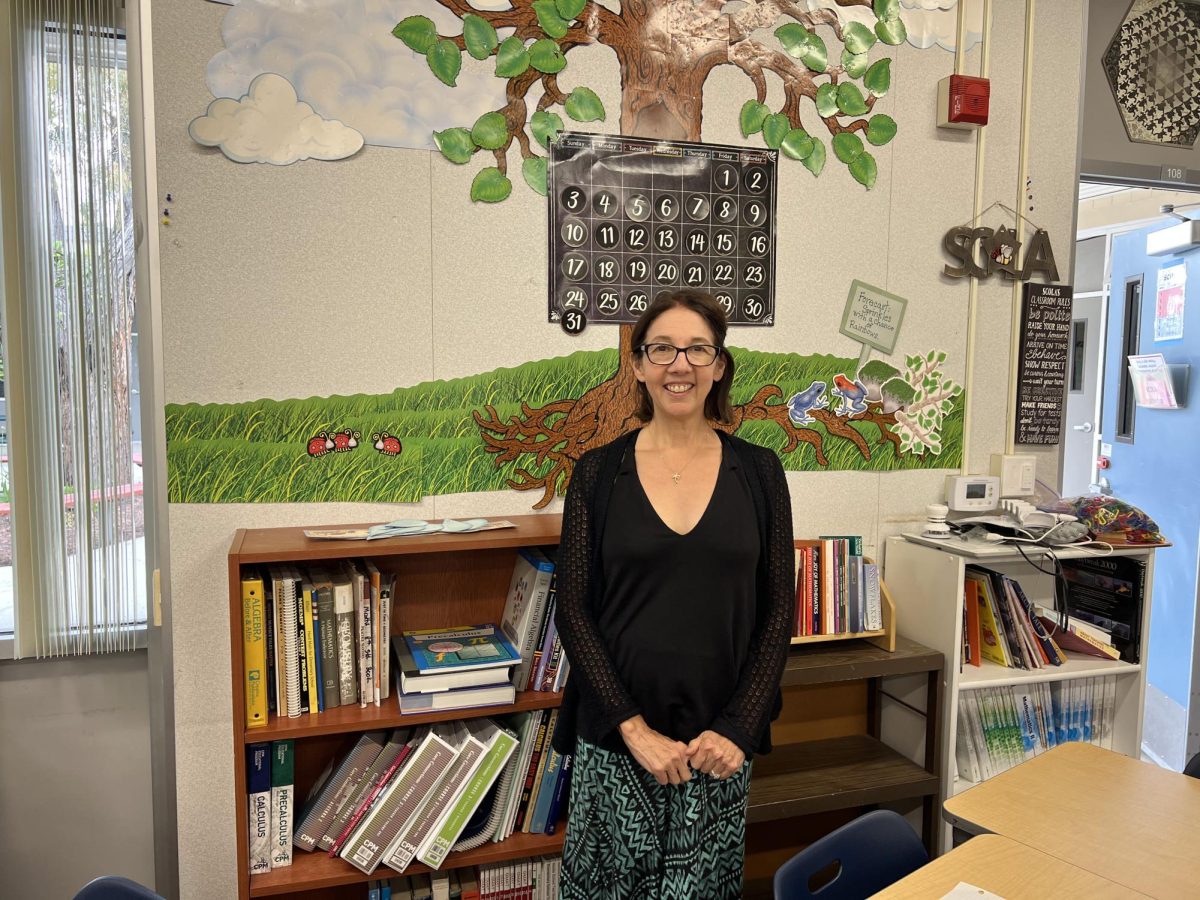
The Bay Area regionals competition determines which team from the Bay Area will advance to the national tournament held in Washington, D.C. The current lineup for the A-team consists of all seniors: Ge, senior Quinn Gifford, Rombakh, Ethan Pan and Warren Chee. This year marks the end of an era, as it will be Nakamatsu’s final time as the Science Bowl’s adviser after more than 20 years in the role.
“Given how we are all seniors and this is our last year competing in Science Bowl, as well as how this is Nakamatsu’s last year as our club adviser, our goal is to take home the win and reach nationals,” Gifford said.
The Bay Area, known for fierce competition in academic fields, produces top contenders for the national competition. Gifford expects a tight contest against Lynbrook High, in particular, for the qualifying spot.
“If we win regionals, we’re going to have to shift our practice routine to put a greater emphasis on the obscure questions that show up on the national level sets,” Gifford said. “While having a quick reaction time will still be important, depth of knowledge tends to become the limiting factor the further you advance through the competition.”
With their competition fast approaching, the team often runs full mock competitions using question packets from the previous year while also practicing by subject. Members usually specialize in certain subjects.
As a result, some work sessions are set up so that the members responsible for a given topic practice the most. Even so, other members still benefit from listening and watching. Repeated exposure helps them learn patterns of how they solve problems and recognize questions they’ve seen before.
Some learning happens outside the Science Bowl sessions, too. To build knowledge for upcoming tournaments, the teams are assigned asynchronous readings to touch up on subjects they may not be as familiar with.
As the team moves into its final month of preparation, the captains are working to lock in team lineups and sharpen performance before the competition. They expect formal team decisions to happen in early February, since regionals are at the end of the month.
Ge said they’ve observed all the rookies among their 15 members, including freshman Jeffery Ding, Archie Dickinson, Dylan Peng and Shyam Shroff. Now, they’re shuffling members around to see which combinations score the best.
“Figuring out teams is a mix of a lot of things,” Ge said. “Knowledge is valuable, but the team also looks for people who can buzz fast or buzz often, and who can contribute to bonuses and such.”
During practice matches, Ge pays attention to the team chemistry that experienced teams have over their opponents — for instance, the veterans in the club’s team A have trained together for more than two years, so they can share information more smoothly. He hopes the underclassmen carry the same passion into regionals.
“At the end of the day, we really are just a bunch of high schoolers who collectively like STEM,” Ge said. “If this is one way to find or grow passion in STEM, then by all means do Science Bowl.”

