









According to the American Red Cross, one blood donation can save up to three lives.
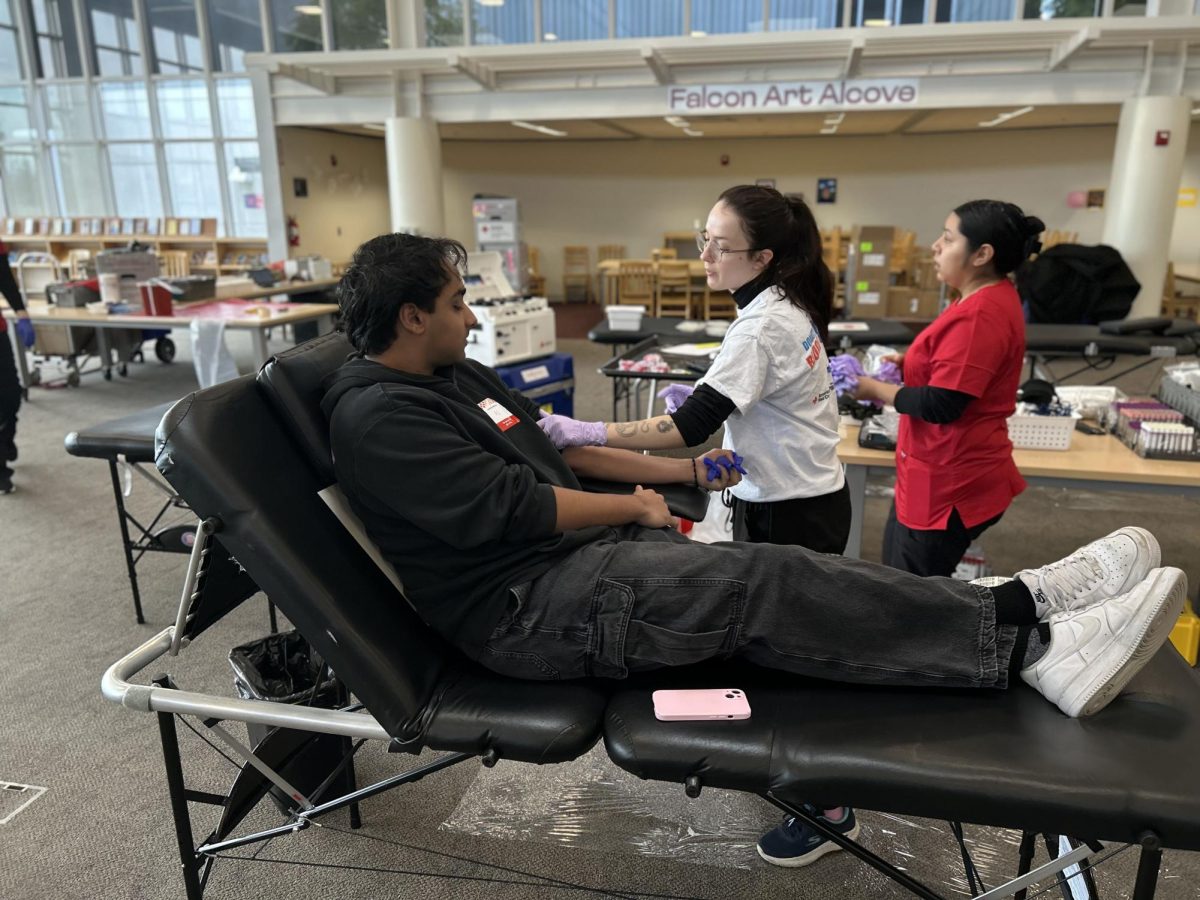
That’s one reason annual blood drives like the one held on Jan. 21 at the school library are vital to keeping blood banks well stocked.
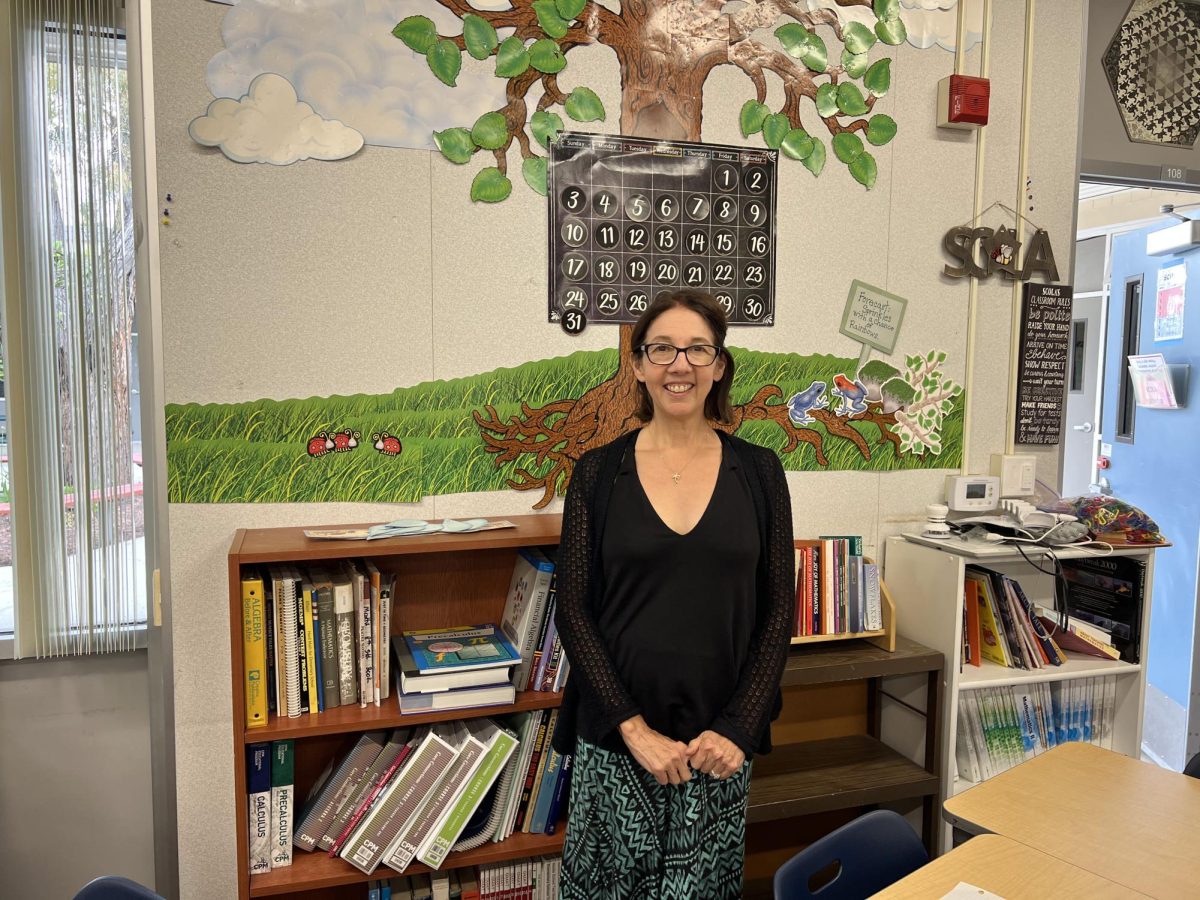
The drive was organized by activities director Mark Higoshioka. The American Red Cross uses donations to help medical professionals treat accident victims, patients with blood disorders and those undergoing cancer treatments.
To participate, donors must be at least 16 and be a minimum weight depending on their height, which left some individuals ineligible to donate blood.
Higashioka said there were a total of 27 scheduled and unscheduled donors, including a number of scheduled donors who failed to meet requirements.
“We had people who signed up that couldn’t donate because their hemoglobin was too low, or they weren’t feeling well,” Higashioka said. “I would say the majority of people were walk-ins.”
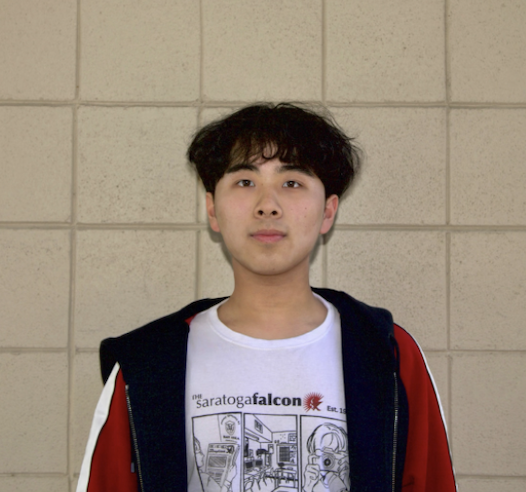
One of the students who signed up beforehand was senior Arjun Bawa, who felt a sense of responsibility stemming from his religion.
“I’m a Sikh, and one thing is giving back to those in need, like community service, and it’s called Sevā,” Bawa said. “I feel like giving blood is such an easy thing for people like me; recovery time is quick, it’s really not detrimental to productivity and it can really make someone’s life better.”
Higashioka noted that the turnout was split relatively evenly between students and adults. A few parents also donated alongside many teachers. Additionally, since appointments were running a little slower, people had to wait.
He also noted that since the appointments ran late, students and teachers would have to miss class time. This was especially troublesome for teachers who attended the drive during their preparation period or tutorial, as it cut into their class times.
Reflecting on the outcome, Higashioka felt that it was a success but is considering changes to optimize efficiency for the following year.
“I think it went pretty well,” Higashioka said. “Next year I might try to do it on a weekend, just so there’s less conflict with classes, whether you’re in or teaching classes. I also think you could open it up to the general public too, because you don’t have to worry about anyone coming on campus.”