
























The internet is an amazing service that we are all lucky to have in our lives — it makes communication much easier and makes tasks like shopping more convenient, among many other benefits. In this modern era, the internet has been integrated into our lives from traveling to education.
However, schools are starting to take their reliance on these services too far, and it’s not helping students’ mental health or wellbeing.
For the past few years, the private school I attended for middle school banned cell phones and computers — computers were reserved for only research projects and programming classes, and teachers mainly assigned paper-based homework. These learning conditions allowed me to be constantly productive during school hours, and I could consistently complete my homework after school. Having no digital distractions also allowed me to socialize with my friends during breaks as well.
But when I entered this high school, I saw the opposite — internet usage skyrocketed. At first, I was thrilled: I could finally access social media and play games in school during lunch. With online platforms such as Canvas providing an organized way to submit assignments and interactive presentations during class, I felt like access to the internet had many benefits.
However, after a semester here, I’ve realized that the heavy reliance on the internet has two main issues: technological issues and distractions.
First, the use of the internet comes with the downside of technology issues, such as setup problems and outages.
At the start of the school year, everyone configures their devices for connection to the school’s Wi-Fi, but installation processes tend to be extremely complex. The internet at SHS also has outages. Although these are not too common, they can greatly affect online test-taking if they do occur. (In fact, when I was writing this, the school Wi-Fi went out.)
However, a far more pressing issue are the distractions that come with this reliance on the internet in the form of social media and video games.
As I walk around the school, almost everyone (including myself) is staring at a phone. Though we have a cellphone ban in the state, students still find ways to scroll on short-form videos or play video games on their computers during in-class digital assignments. Some students may even pivot to AI or other online resources to cheat on these assignments.
I also fight the temptation to start playing games. Though teachers try their best to stop game playing, students are sneaky.
Instead, I believe teachers should rely much less on the internet in classes, greatly reducing the potential for students to get distracted by it. Many assignments that are currently digital can be easily turned into physical pen-and-paper assignments, which may cause a bit more hassle for the teachers but ensures a zero-distraction environment. In fact, I have come across many assignments which would be perfectly fine on paper that my teachers have decided to digitize, resulting in many students becoming distracted.
In my English class, in-class essays are typed onto Canvas. This means that if there are no restrictions, students can easily sneak in some gaming or use the internet to cheat on assignments. Because of this, a lockdown browser was used to prevent internet access, but that comes with a whole new set of issues revolving around the browser, such as very complex installation processes and insufferable typing lag. Although typing is more convenient than handwriting, handwriting has been proven to be more useful for memory retention.
In my Chinese class, there are many activities that involve typing into Canvas or using a digital textbook on our computers, and some that simply allow internet access. Although the internet makes these assignments more convenient, it has turned sections of the classroom into a gaming room. If computer use was throttled down (which, fortunately, has been happening), most students would benefit heavily from the absence of distractions.
I’ve also noticed that students’ internet usage skyrockets the most when there’s a substitute teacher. Teachers usually leave digital assignments for students to do, such as a review problem set for math from a digital textbook. However, most of the time more than half of the students are gaming and scrolling instead of doing the class content, which would eventually backfire on the students on the day of the test.
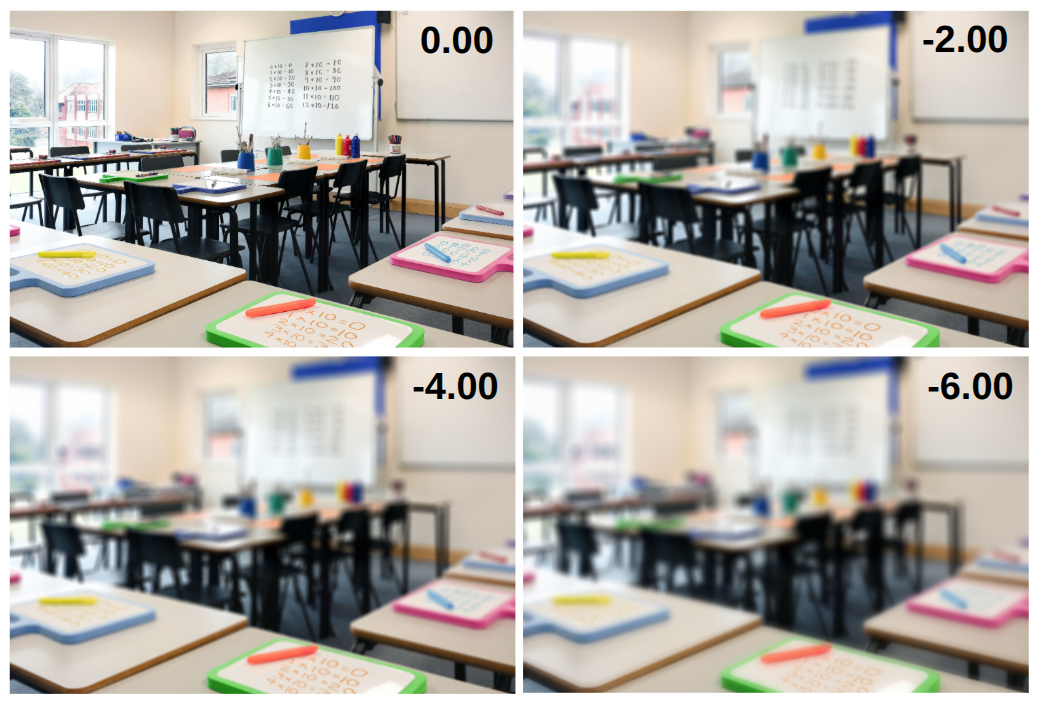
Relying heavily on the internet in a classroom also creates an increase in screen time with resulting negative health effects. On average, students experience more than seven hours of screen time, a few hours of which are gained from internet-reliant schooling. This leads to negative health effects such as damage to the eyes and sleep.
For me, this internet-reliant school has already shown me these negative effects. I now struggle with completing homework early, often procrastinating until the night before. My academic performance has been at risk with all the distractions on the internet, with many people around me already distracted. I also have very little social life, resorting to staring at my phone (just like everyone else) and playing chess.
Although some use of the internet is fine, other uses, such as digital assignments, can be scrapped — just use the foolproof method of paper tests and assignments.