


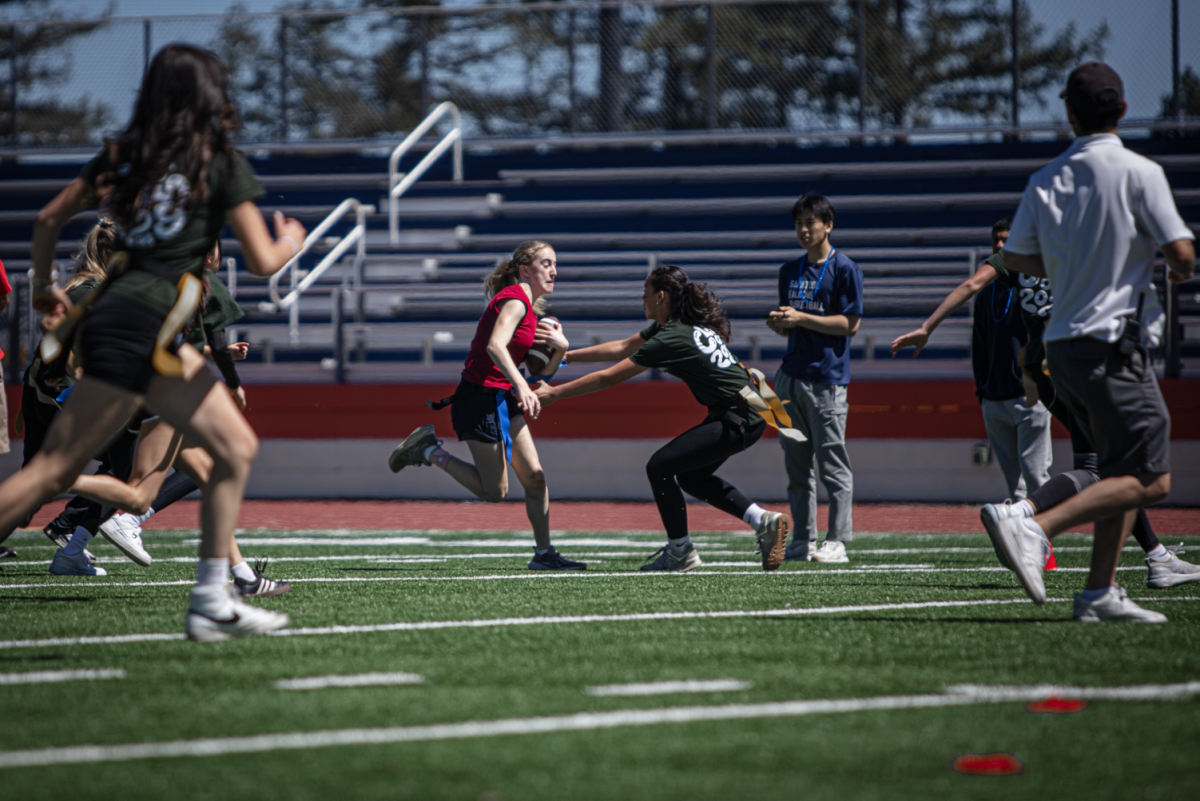

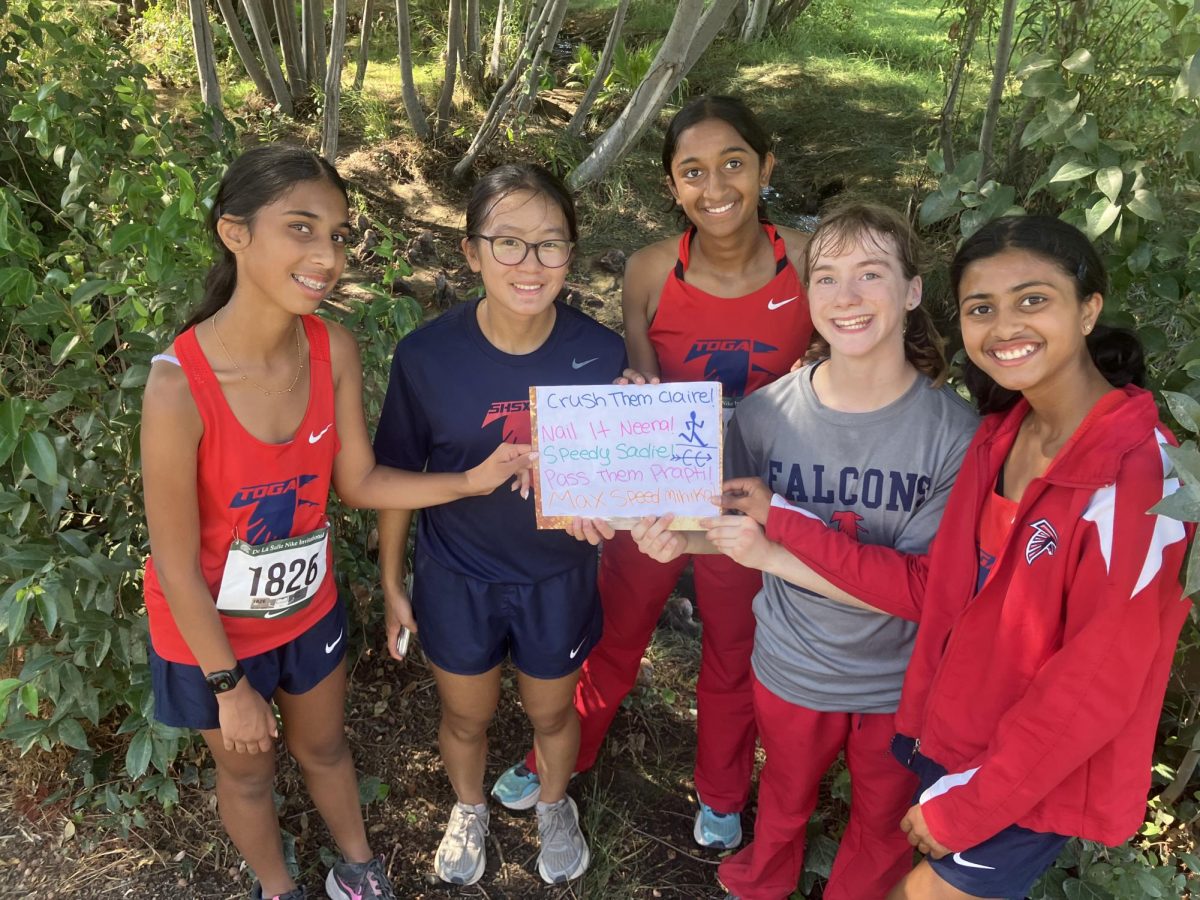
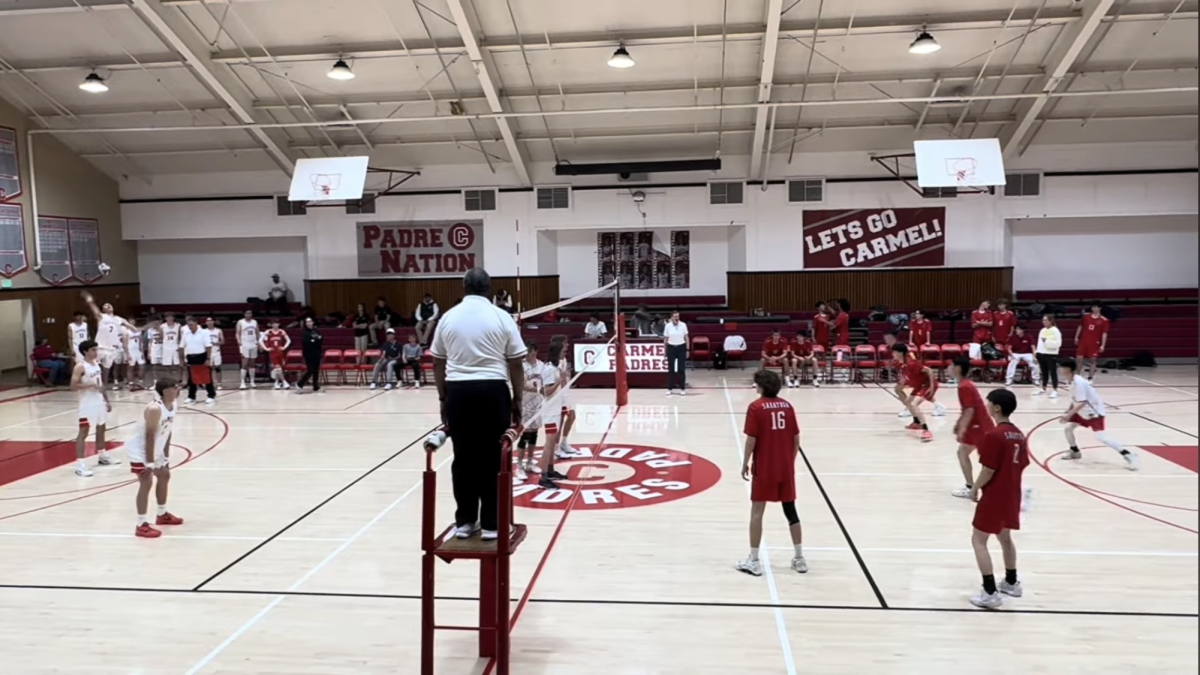
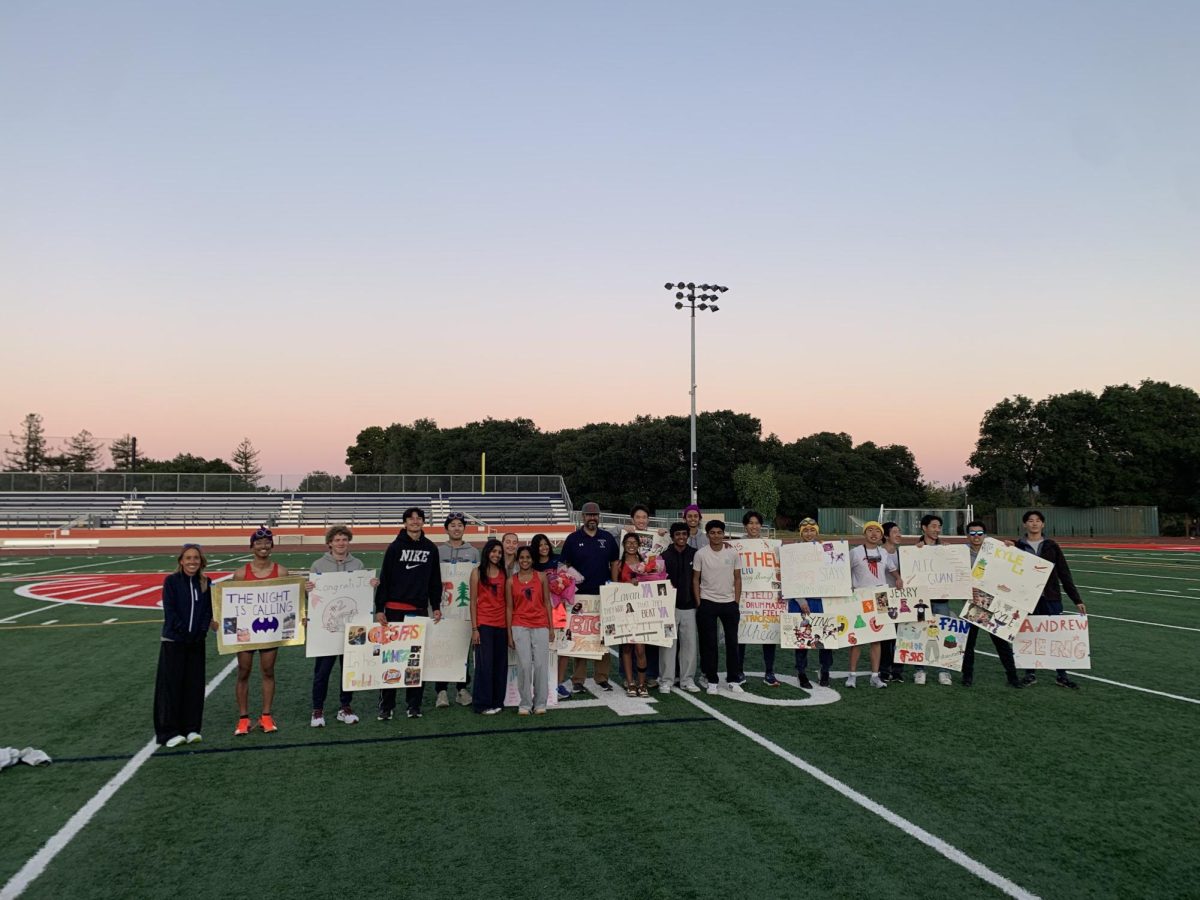













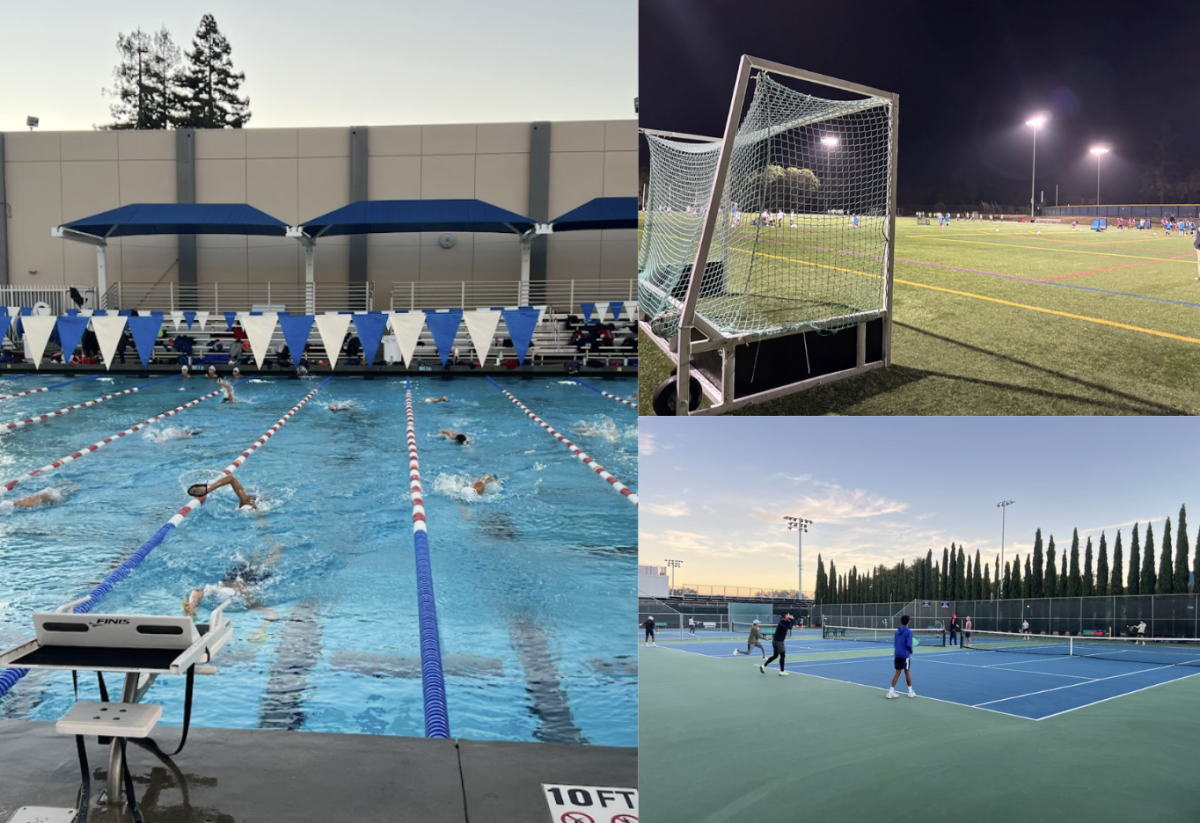
Even after the final bell rings and classrooms empty, the school’s campus remains far from silent. Almost every athletic facility buzzes with activity — and not just for athletic events.
As sports practices come to an end, a multitude of organizations fill the school’s vacant facilities with their own afterschool programs, performances and clinics.
The district uses a website Facilitron to organize schedules for different classrooms, courts and fields. A calendar marks availability, and organizations with permits approved by the district office are free to designate time slots for private usage.
Interestingly, facility rentals are legally required for public schools as a part of the Civic Center Act. This requirement led the district to rely on Facilitron beginning in 2022 to better track the rentals.
Not every use of a facility after school requires a permit. For instance, many community members routinely use the track and the area around Benny Pierce field to exercise in the evening, and avid tennis players gather early at the courts on weekend mornings to play in friendly competition.
For years, several organizations have established themselves as consistent facilities users at SHS. The local competitive swim club De Anza Cupertino Aquatics (DACA), for example, has held its daily swim lessons and practices since the 1990s. Swim meets — competitive official swimming events — also typically take place at the pool on weekends.
The tennis courts sit adjacent to DACA, where varsity tennis coach Florin Marica holds tennis clinics throughout the week. Marica founded his own academy in 2010, renting the tennis courts at SHS to teach young players the sport.
Just a few dozen yards away on the upper field, Player One performance — a soccer organization directed by varsity soccer coach Ben Maxwell — trains young players. Both Maxwell and Marica have been renting the facilities for a decade. Additionally, NorCal Softball has been renting the softball field for nearly five years.
Indoors, Silicon Valley National Junior Basketball (NJB) rents the gym during basketball season in the winter on Sundays, while Nikkei Volleyball Club hosts an adult league on Monday nights.
Perhaps one of the most longstanding organizations that rent SHS facilities is Los Gatos Recreation — a community-based department that organizes sports and activity programs for residents of Los Gatos and Saratoga. SHS’s agreement with Los Gatos Recreation dates back to the late 1950s, practically since the school’s founding.
All of these organizations have had longstanding relationships with SHS. According to both athletic director Rick Ellis and director of maintenance and facilities Toby Mockler, most of the rental arrangements began before either of them held their current positions.
However, while some organizations use SHS’s facilities for long terms, others rent them only on an occasional basis. Notably, the San Francisco 49ers cheerleading team rented the lower field last December for a 3-hour rehearsal. Rentals also don’t have to pertain to athletics. For instance, the Mandarin Language & Cultural Center (MLCC) rents several classrooms on most Saturday mornings during the school year. The organization has been operating at the school for at least the past 25 years.
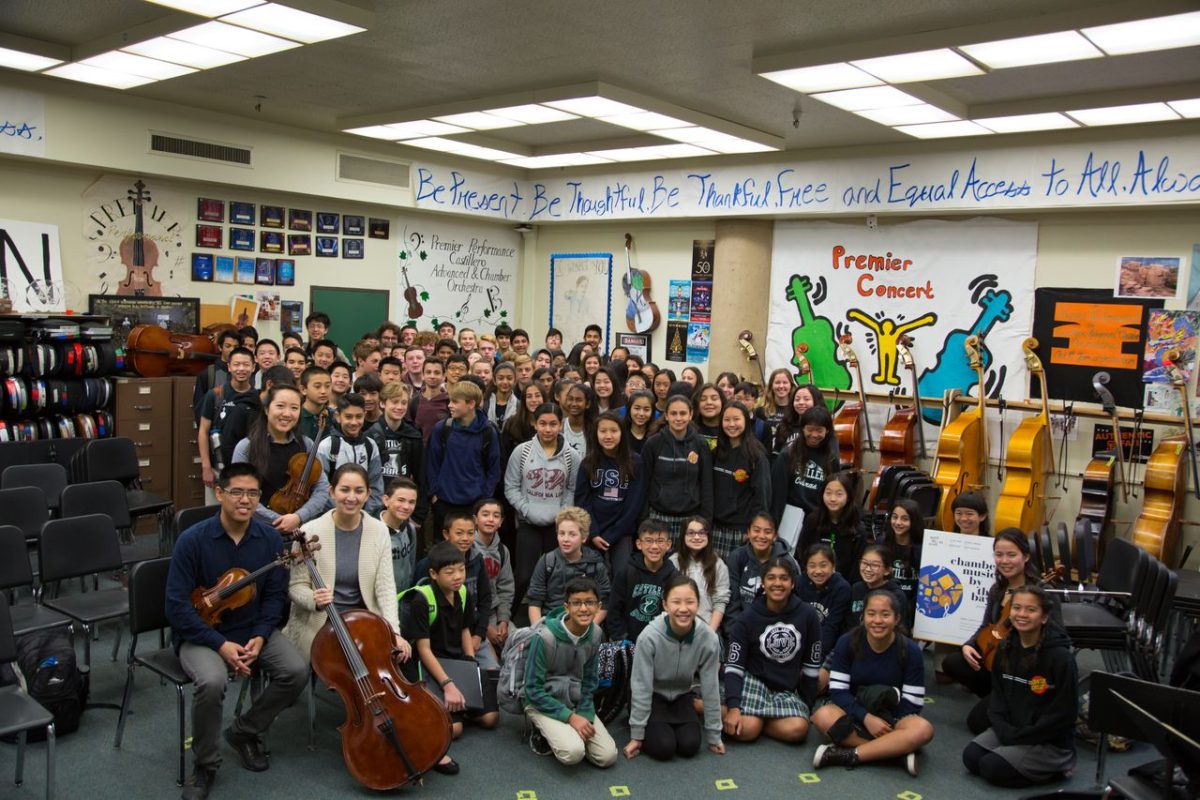
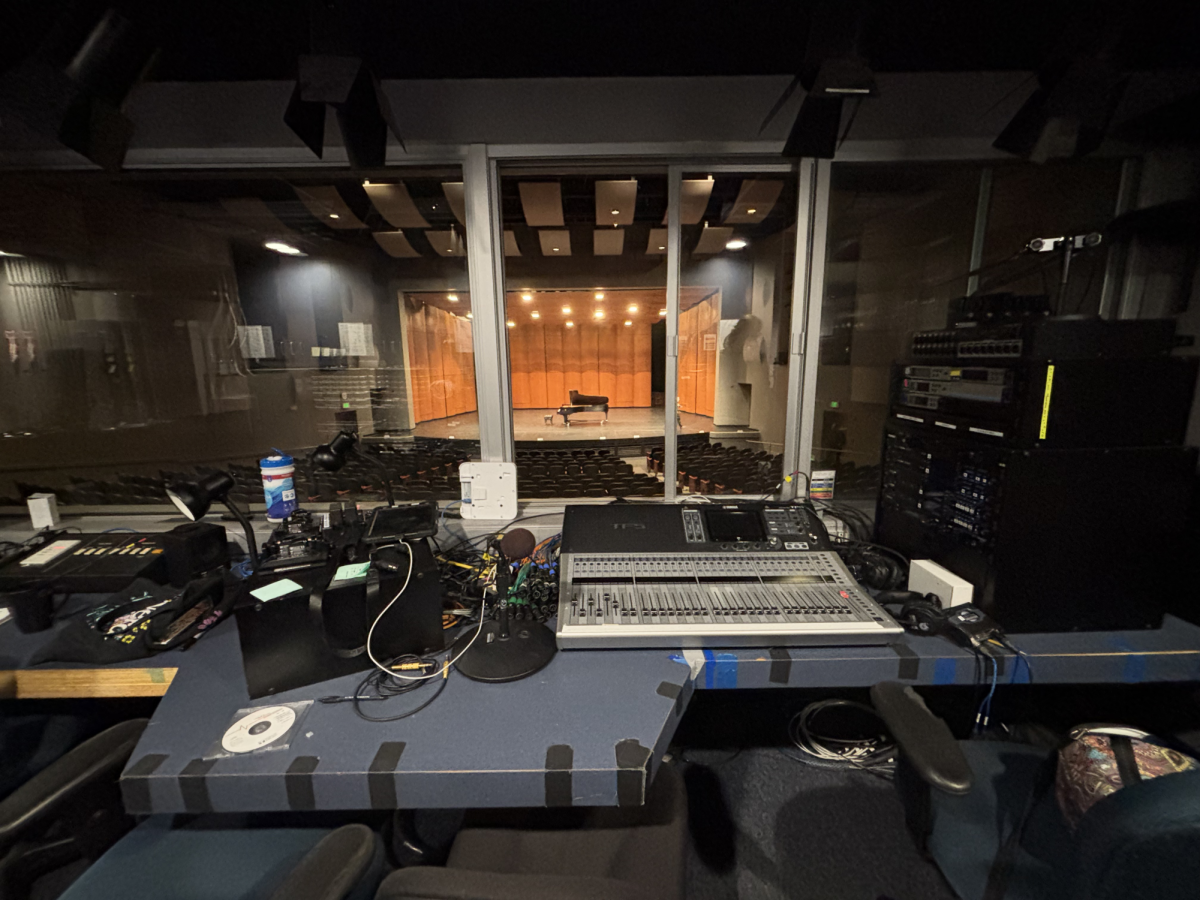
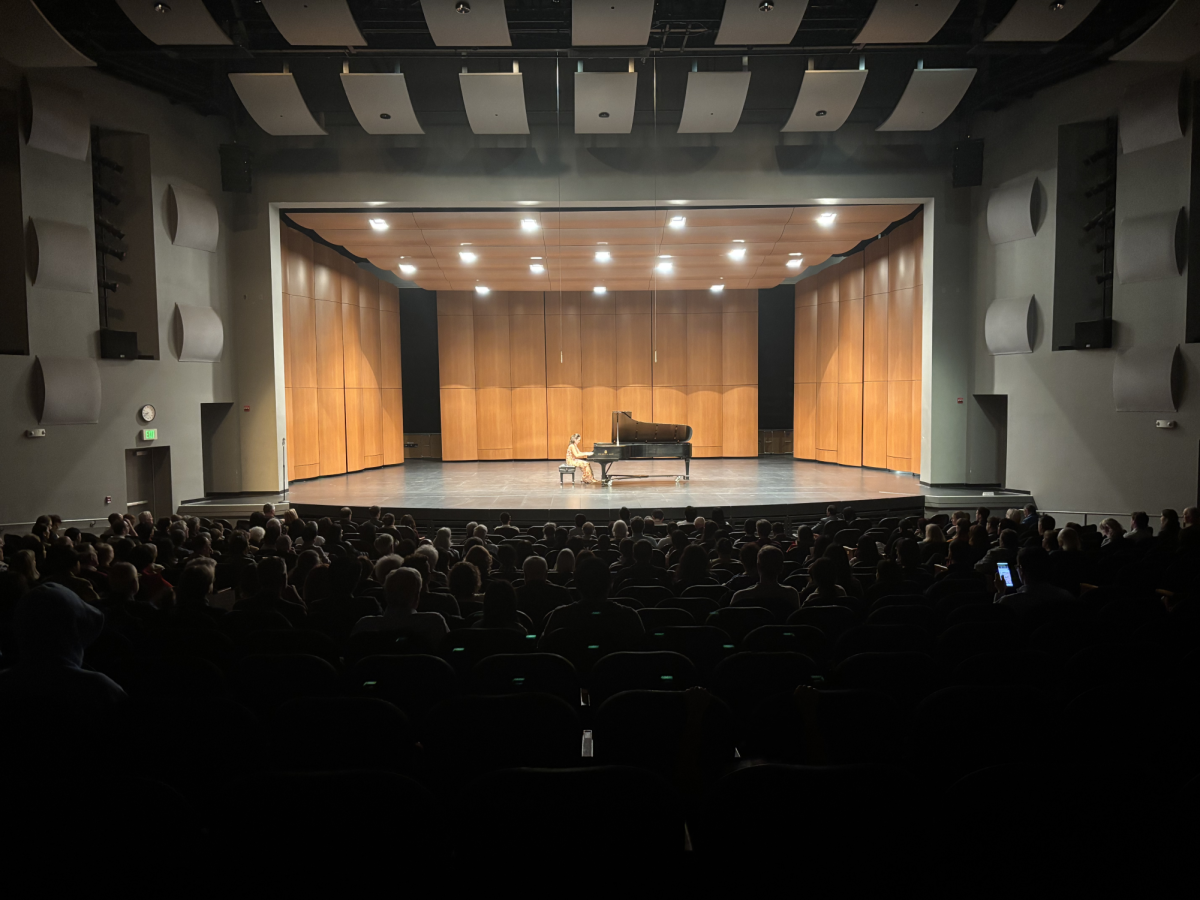
The McAfee Center stands as one of the most popular facilities rented by outside groups; it has a wide variety of users ranging from school associated groups to professional orchestral entities.
“McAfee activities can require more staffing support because of the services that space offers, but it really is no more complex than other spaces,” said public information officer Tanya De La Cruz.
Rental costs are predicated on three main factors, group type, type of space required and the amount of staffing support needed, because of this, each rental will differ in price. Rental rates are set by the board and published on the District website.
According to De La Cruz, in the last school year, approximately $420,000 in revenue was generated as tracked in the Facilitron system.
With all of the renting fees piling in from multiple different sources, money is stored in a district facility account, so whenever issues arise in either Los Gatos High or SHS facilities, money can quickly be allocated to the schools to fix or upgrade different features.
“Any money received for rental activities, minus the staffing costs, are dedicated solely to support the repair, replacement and improvement of our facilities,” Mocker said.
The most recent example of facility upgrade are the new digital scoreboards in the gym, which increases engagement of matches held in the large gym.
Officials said the district has not initiated a rate adjustment since 2017. Its priority lies in publishing a rate scale that is fair and equitable to all user groups, while ensuring that the district is complying with the Civic Center Act.
A common trend when it comes to longstanding rentals is that many of the coaches at SHS rent facilities for organizations they’re involved in. What results is a mutually beneficial relationship with certain coaches and programs: The school provides access to facilities, and in return, those coaches — who also work professionally outside the school — bring experience, stability and quality coaching to SHS teams.
Coach Michael Allegretti juggles around four water polo teams and is a key coach for the swim team, and Marica and Maxwell have led their respective teams to CCS; all three coaches also enjoy using the same facilities for their own club practices outside of the school.
Ultimately, though, facility usage priority lies in the school community — rental availability is blocked out accordingly when school team practices shift.
“There’s a nice symbiotic relationship the school has with the coaches,” Ellis said. “As the athletic director I know that we have quality coaches in these people — losing them would be a huge loss for us.”
In the end, Ellis hopes that the outside organizations operating at SHS have a positive effect on the athletic program as an entryway for students interested in sports like softball, water polo, basketball, swimming and tennis.
“I think that athletic participation would be a lot worse if we didn’t have the programs at our facilities, but we all would like to see it grow even further,” said Ellis.
