














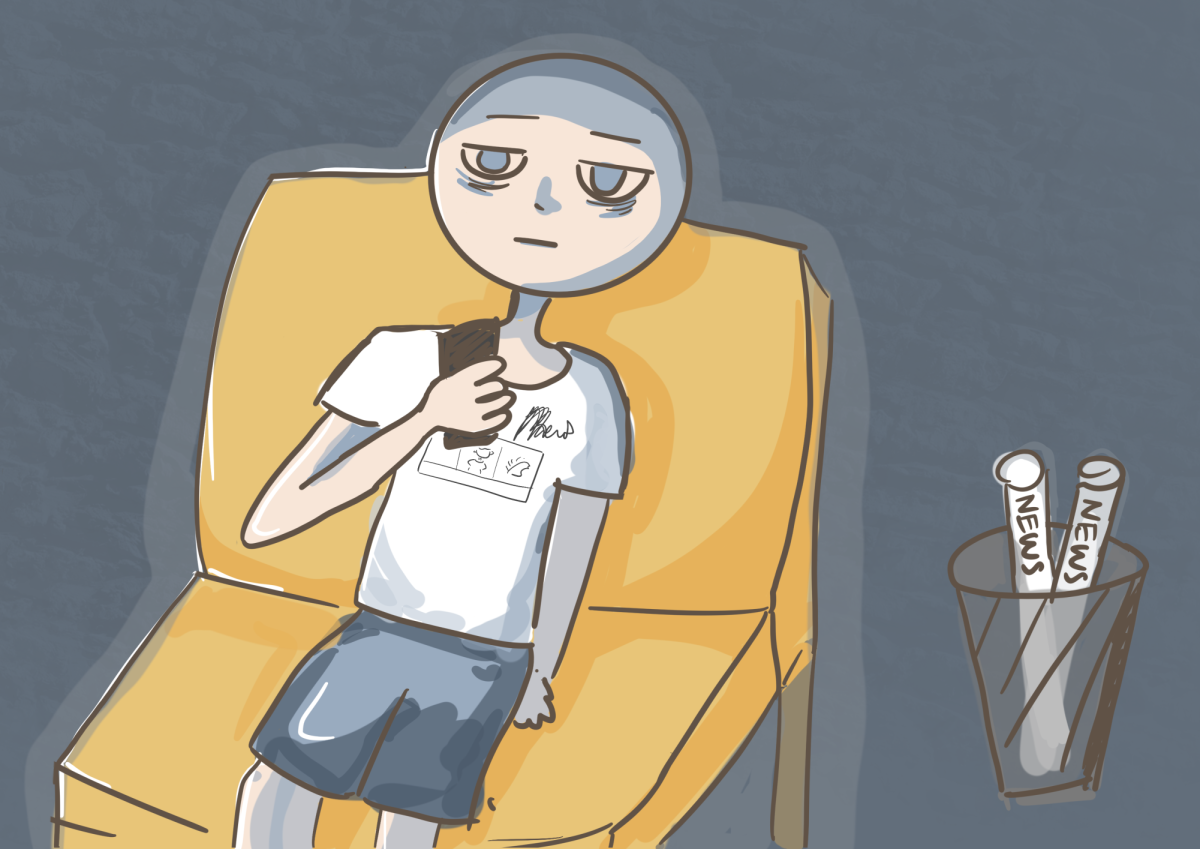






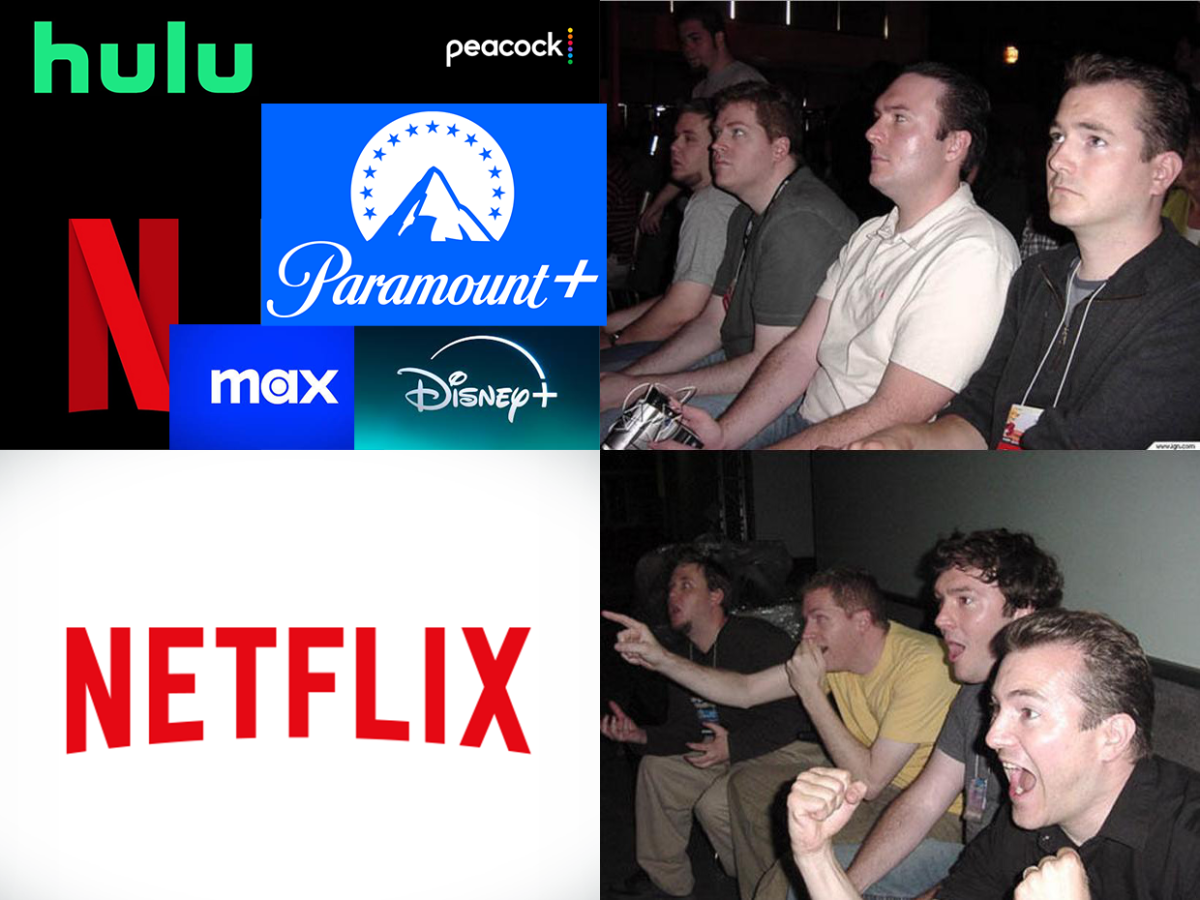
Imagine you’re browsing Netflix and can’t find anything good until your friend tells you about an incredible new show that you need to watch.
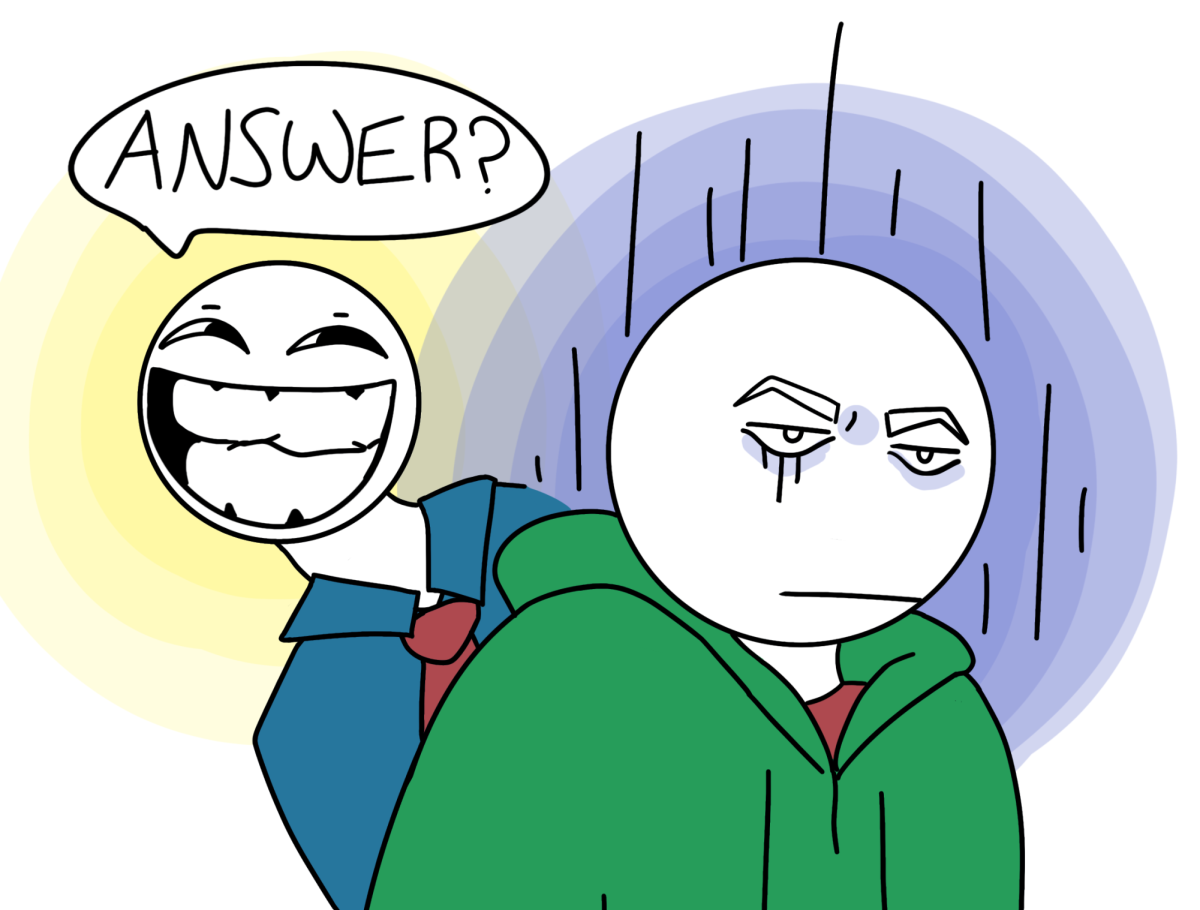
You look it up, but where’s it available? Is it Paramount+? Is it Max? But with such high subscription prices, you can’t even afford to have any service other than Netflix anymore. For many consumers, this is becoming a much more frequent experience — a trend that causes streaming services to lose subscribers.
Due to the saturation of the streaming market, services are growing less popular as a whole. Without a reduction in prices or the introduction of new features, the overall field of streaming stands at risk of replacement by alternatives such as YouTube or illegal pirated options.
Capitalism means that publicly traded streaming services need constant growth in income in order to raise stock prices. In the 2010s, this was easy because not everyone had subscriptions to a streaming service; many people still used alternatives such as cable or DVD, while others pirated content or did not watch TV at all.
These services thus had massive numbers of potential customers. As people signed up, this boosted a sharp upwards trend in the beginning; as more and more people subscribed, the stock price of streaming services rose immensely.
But now that the modern market is highly saturated and most people already have all the streaming services they are willing to pay for, gaining subscribers has become highly difficult.
As streaming services have grown more popular, many companies with media backlogs have launched their own platforms, such as Disney+ and HBO Max. These corporations have removed their films from other streaming programs and isolated them on their platform to entice people to use their service.
Now, it’s also impossible to guarantee access to entertainment through streaming. Services may be forced to remove media at any time, and there is little the consumer can do about it. Many times, contracts with the owners of these shows or movies will only allow them on the service for a limited time.
What this means for consumers is that high-quality and consistent media can no longer be put on one bill. Customers are forced to pay much more money and manage many more subscriptions in order to get the same amount of content that they could have gotten for significantly cheaper in the 2010s.
With angered customers, worsened services and a saturated market, growth for established companies is highly difficult. So, they resort to desperate measures to gain more money and continue growing.
Many corporations have heavily increased their prices despite underwhelming improvements in features, unreliable content and anti-consumer practices such as restrictions on password sharing. For comparison, Netflix was $8.99 per month in 2015 but $17.99 per month in 2025.
According to Nielsen, consumers are increasingly pivoting to YouTube, which held 10.8% of all viewing (including cable and broadcast) in January 2025 — the highest out of all streaming services. While its videos may not have the same kind of funding that a traditional TV series may have, YouTube has its own advantages. YouTube videos are not subject to the same kind of licensing issues that plague traditional streaming. While illegitimate copyright strikes exist on YouTube, control is generally in the hands of the creator. Videos can even be downloaded for free with extensions or websites, and YouTube itself is completely free. YouTube even offers a selection of free movies with ads.
Another alternative that has emerged in recent years is digital piracy — downloading or streaming media for free from the internet.
After the original emergence of Netflix and other platforms, piracy lost prominence. But as dissatisfaction with streaming grows, piracy is resurging.
According to a survey by CordCutting, 35% of digital pirates reported that they pirated because subscription services were too expensive. Additionally, 75% of pirates report that they would shift to legal alternatives if they were cheaper, and 80% of pirates say that they are subscribed to more than two streaming services.
As Gabe Newell, president and co-founder of Steam (the dominant PC game distribution platform) once said, “Piracy is not a pricing issue. It’s a service issue.” He means that people who pirate often do so because the regular, paid services are inconvenient to use and disrespect customers.
In contrast, the user respect that a company like Steam garners because of its ease of use and means that its users, in turn, respect Steam and use it instead of piracy. Steam has heavily reduced video game piracy through its simple convenience and non-invasive bonus features.
One major draw to modern piracy is the ownership of content. Through piracy, the downloader takes control of their own media. They are capable of watching and editing it without fear of company censorship or takedowns.
People are driven to piracy by the current issues in streaming — viewers want to own their media and escape the outrageously high subscription costs. Yet not only does piracy infringe on copyright restrictions, but it reduces the number of people willing to create content because it will inevitably be stolen.
In many respects, this overall outcome is a consequence of capitalism. Services like Netflix used to be useful and convenient because of their consolidation. But as more companies enter the space, media is split between many services competing for content rights, which ensures that each individual service must spend more and increase prices, driving away potential customers in the process.
Streaming services could potentially introduce additional features to try to keep subscribers, such as AI-powered improvements or better sports coverage. They could also dial back the aggressive push for profits; if the reduction in consumers is significant, production companies could add their content to more services.
These changes would ensure that more media is available on each streaming platform, allowing the streaming industry to survive as a whole. But it will only happen if production companies move away from their current short-term profit focus before they lose what they have.
If the current state of the market continues, the oversaturation of services could well collapse streaming as a whole. Piracy may return to the mainstream like it was before Netflix. Companies might introduce their content to YouTube in desperate bids for income, such as with the many free movies already on YouTube. New innovations in technology could produce a product that replaces streaming entirely, as streaming did to cable.
The future of streaming subscriptions may be unclear, but these high prices are unsustainable and will not be able to continue. Whether the entertainment industry of tomorrow will have the same structure as today is up to the companies, and the only question remaining is whether they will die clinging to their short-term revenues or play the long game and reduce the burden on consumers, to ensure their future survival.
