















Courtesy of NPR
Observers look at a display that is at risk of being taken down.The National Park Service has removed or changed displays that depict the histories of slavery and Native American tribes as of September. The initiative followed a March 2025 executive order by President Trump ordering federal agencies to eliminate or cover any content that inappropriately “disparages Americans” as part of a broader plan to promote a more positive national image.
For students and teachers in schools, these changes have sparked new conversations about who tells America’s history and how learning is affected when certain hard truths are taken out.
Author George Orwell once wrote, “Who controls the past controls the future. Who controls the present controls the past.” His words echo with this debate, as worries increase that limiting which stories are shown could shape how current and coming generations understand the nation’s past.
Reports from multiple news outlets, such as The New York Times and ABC, detail how the National Park Service was instructed to look over signs, photos and displays that might violate the new order by depicting images that reflect America in a negative light. The agency had until mid-July to flag items and began making removals in September. The fate of the pieces after their removal remains unknown.
The removal of “The Scourged Back”
At the Fort Pulaski National Monument in Georgia, the staff took down a replication of “The Scourged Back,” a well-known 1863 photograph depicting an enslaved man named Peter whose back was severely scarred from whippings. The image was originally published in an Harper’s Weekly article and became one of the most powerful pieces of visual evidence used by abolitionists during the Civil War to expose the brutality of slavery.

Courtesy of The Metropolitan Museum of Art
The photograph, “The Scourged Back,” displayed the harsh cruelty of slavery.
The National Parks Conservation Association mentioned that one of its directors, Alan Spears, said, “‘The Scourged Back’ photograph shocked the nation and the world with its honest depiction of the vicious nature of slavery. The decision to remove this photograph from the interpretive displays at national parks is as shameful as it is wrong.” Even though this image was graphic, it was extremely important in recognizing and acknowledging the past.
Other parks affected
At the Manassas National Battlefield Park in Virginia, the staff removed a sign that criticized the “Lost Cause” myth — a narrative that portrayed the Confederate cause as noble while simultaneously minimizing slavery’s role in the Civil War. The plaque at Manassas explained how the large Stonewall Jackson monument reflected this myth by glorifying Jackson’s role as a Confederate leader during the war.
At the Independence National Historical Park in Philadelphia, a historical exhibit describing nine people enslaved by George Washington was flagged for review after being labeled as promoting a “corrosive ideology” that was believed to portray America as racist. By intending to reevaluate this exhibit, the Trump administration aims to erase shameful aspects of America’s racist history, such as former presidents owning slaves.
The impact on Native American representation
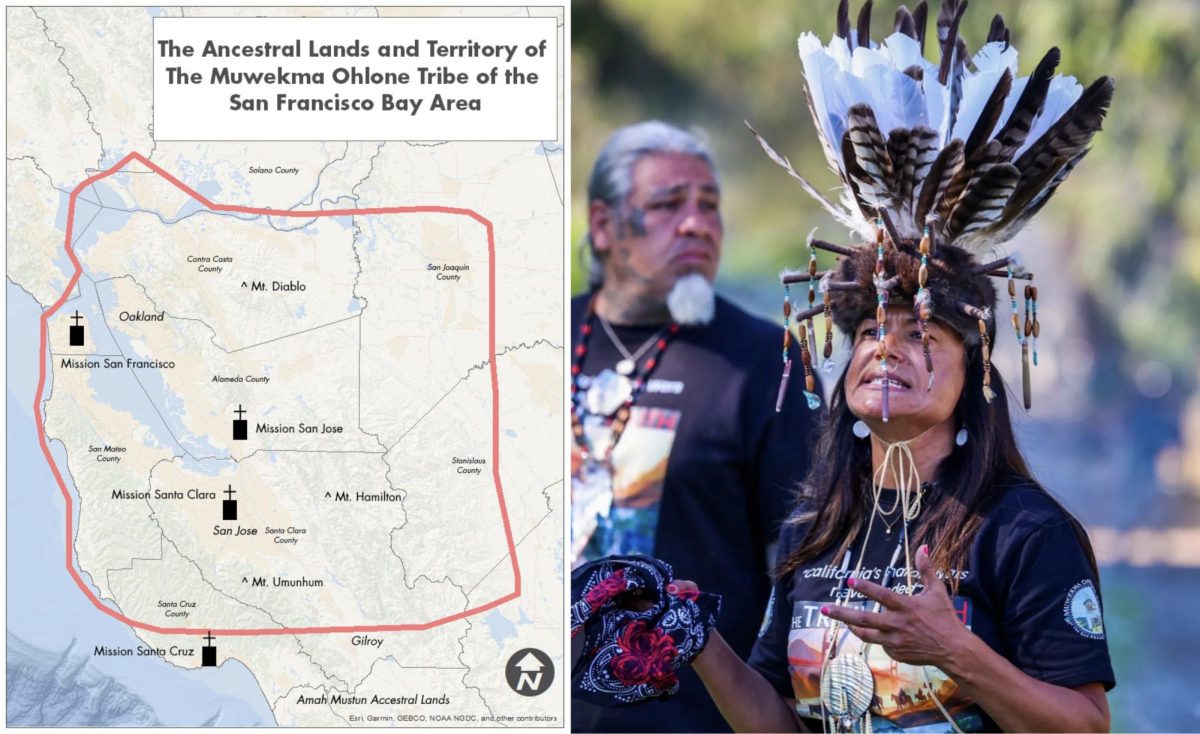
The review has extended to exhibits about the history of Indigenous people. Such actions threaten to erase the narratives of Native communities who face displacement and cultural suppression, suggesting that Indigenous histories and experiences are not valued enough to be preserved or remembered.
An example mentioned by the Center for American Progress was part of Trump’s executive order to glorify America’s history by changing the name of Mount Denali back to Mount McKinley. The mountain had been renamed Denali in 2015 to honor its original Native American name, meaning “the high one.” Trump’s order brought back the old name to recognize the former U.S. President William McKinley.
Renaming this mountain changes its meaning entirely, as McKinley had no relation to the mountain itself. The Alaskan people opposed this change but had to follow through with the plan since it was federally ordered. Moments like this show how easily Indigenous names, stories and identities can be pushed aside, reinforcing concerns about whose history is allowed to be seen.
Concerns grow among park staff and visitors
Park officials and historians worry that the removals could erase important parts of the country’s story. “If some of these proposed changes are made, visitors may miss out on the full picture of history and nature that they deserve at our parks,” Spears said. “Americans count on our parks to tell truthful stories and accurate information. The public can handle the truth.”
Some park employees have also expressed frustration, with an anonymous superintendent saying that they have been asked to make major exhibit changes in just weeks — changes which would normally take years to implement and in many cases, go against their professional judgment or personal values.
In Philadelphia, community members have also spoken out against the removals, organizing a protest after learning that several Independence National Historical Park exhibits, such as ones depicting harsh treatment towards enslaved people or Native Americans, were being targeted for removal by the Trump administration.
Historians and educators are also worried about how new technology could make it harder for national parks and museums to tell accurate stories about the past. Artificial intelligence can already create realistic images, fake documents and rewritten text that look convincing enough to confuse readers.
As The New York Times explained that because AI can now interpret and repackage historical material, it has the potential not just to assist researchers but also to reshape which narratives become most visible to the public.
That concern has become especially relevant as digital tools such as Google Arts & Culture, a platform that digitizes museum collections and offers virtual exhibits, and virtual museum tours begin to take the place of physical archives, museums and monuments in national parks. If artificial intelligence can rewrite or reinterpret history faster than humans can fact-check it, the line between truth and narrative may blur, making the preservation of physical artifacts and exhibits even more important.
Local classroom connections
In classrooms, educators are raising their own concerns about what these debates mean for how students learn history.
“The reason that we have exhibits is to remember, honor and learn from the people of the past,” English teacher Amy Keys said. “When we take down exhibits having to do with enslavement, we’re disrespecting those people who suffered, and we’re doomed to repeat the same mistakes that we’ve made in the past.”
At the school, several courses already rely heavily on historical sources to teach about both slavery and Indigenous history. In English 11 Honors, students read Toni Morrison’s “Beloved,” a novel rooted in the trauma of enslavement. This unit encourages students to think about how literature reflects real historical experiences and why understanding that history matters.
In AP U.S. History, students study slavery and the Civil War through units that follow the development of these events over time. The class explores how issues of race identity and conflict shaped the nation, and students learn how to analyze primary source documents, such as speeches or documents, aiding in their understanding of the concepts as a whole. Understanding these events in detail helps students see why public historical materials play a crucial role in preserving the record of the past. If public institutions begin removing or limiting historical materials, concerns of how to teach accurately, presenting all viewpoints, may arise.
For example, Florida schools mitigated or removed certain topics from textbooks due to an order by Florida governor Ron DeSantis. This order resulted in the revision of Rosa Parks’ story, dialing down the mention of race in the teaching of her experience.
National parks, museums and schools all play an important role in keeping history honest and accessible. When exhibits are removed or hidden, the public loses access to the evidence that shapes our understanding and knowledge of the past. The debate reaches beyond museums, raising the question of whether a nation can fully face its future without being willing to face its past.
