
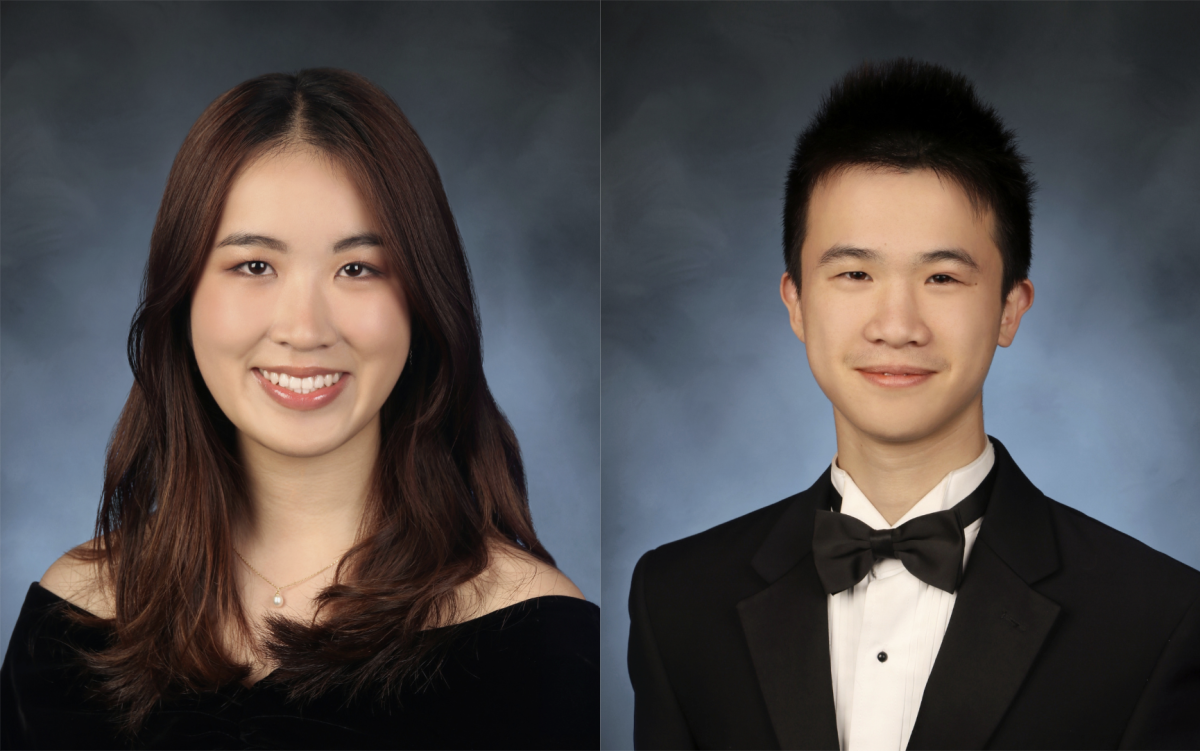








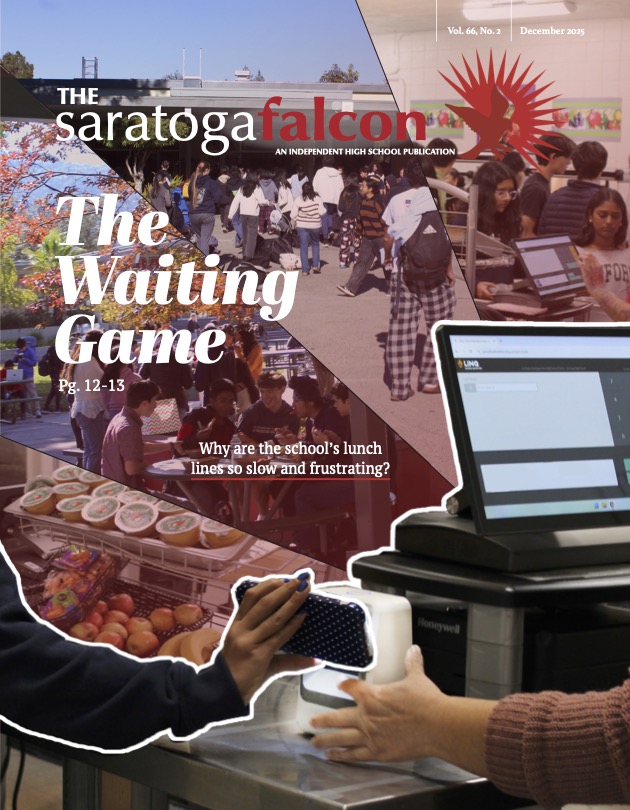


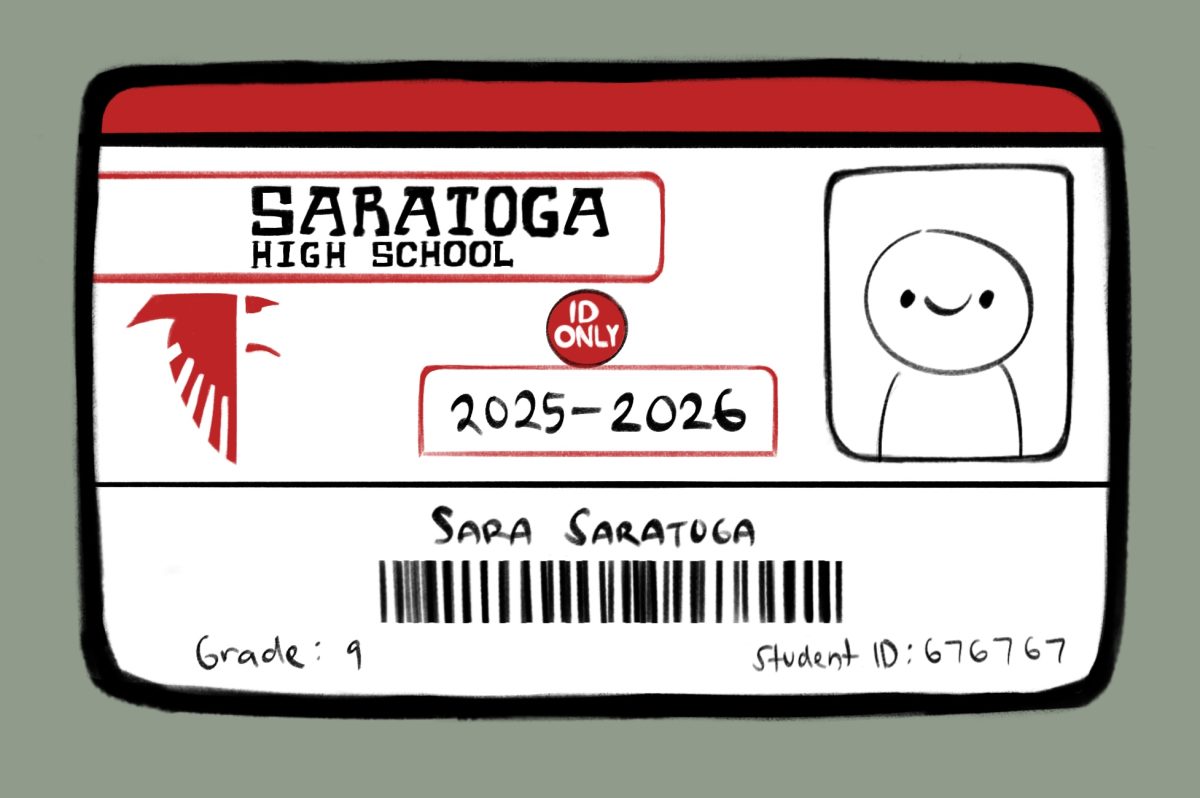
As frequent visitors to the cafeteria, both of us have — on multiple occasions — heard assistant principal Matthew Torrens reminding students in line not to use verbal identification to record their meal scans.
For us, this process raised some questions about the efficiency (or lack thereof) of such measures in reducing lunch line time. How much time is really saved by sending verbal ID users to the back of the line? Are there better ways to increase efficiency? What measures have already been implemented?
We decided to tackle these questions using the one thing we’ve learned from 11 years of science classes: the scientific method.
To make high school science teachers across the nation proud, we collected data to find out how much of a time sink verbal IDs really are.
First, we formed our hypothesis, based on our experiences as line-goers: We hypothesized that verbal IDs aren’t the biggest problem; instead, it’s the way lunch lines are organized, combined with scanning malfunctions, that cause the most inefficiency.
In our experience, your wait time depends heavily on when you reach the cafeteria. Within the first five minutes, lines start to pile up as students rush to get first pick and avoid the long wait. They move through the lines in a couple of minutes. However, in our experience, arriving between five and 10 minutes after the bell rings leads to a 5 to 7-minute wait time: in other words, 16%-23% of students’ precious 30-minute lunch.
After the rush ends, wait times decrease, but by then, popular items can be gone. Personally, we think the wait is worth it for a better selection; still, the faster the lines move, the happier everyone is.
So we set out on a mission: For one full breakfast and lunch period, each of us stood behind one scanner, each with our trusty iPhone stopwatch in hand, and timed each student as they passed through the lines. Together, we covered the two middle lines of the four total lunch lines — our sample size was around 50% of all students who grabbed hot meals on Oct. 24.
On average, we found that physical ID users tended to get through the scanning process in under 2 seconds. On the other hand, the time it took for students to verbally recite their ID numbers — these were students uncaught by Torren’s watchful eye — varied between 3 and 15 seconds. Conclusion: We observed that physical IDs are many times faster than physical IDs.
We also noticed that verbal IDs took longer during lunch vs. breakfast. This can be attributed to the fact that more students get lunch than breakfast, so the cafeteria tends to be more packed and chaotic. We observed that when someone is reciting their ID number, it’s hard for the cafeteria workers to hear them, leading to delays.
Additionally, we noticed that IDs saved onto phones consistently took longer to scan than physical ones. Between adjusting the brightness, zooming in and out and angling the phone in different directions, the variation from card to picture causes precious seconds to add up fast.
By far, the largest time sink came from a combination of the two: digital IDs and verbal IDs. Students who tried repeatedly to get their blurry, oversized or dim photo on their phones to register, before giving up and reciting their verbal ID (you all know who you are) — in our observations, these were the real culprits and overwhelmingly the cause of the most atrocious times, lasting anywhere from 20 to 40 seconds each.
In total, Addison’s line during lunch had roughly 170 students go through, while Madhura’s line had roughly 190, coming out to a total of around 360 students between the two lines we tracked. Doubling that, this means that over 700 students — more than half of the school — get lunch on a given day.
The day-to-day crowds depend on the food served as well. According to cafeteria lead Orfa Escalante, the most popular foods are pizza, grilled cheese sandwiches and pasta. The day we were observing, the cafeteria served pizza. According to Orfa, on the busiest days, 800-900 students go through the lines.
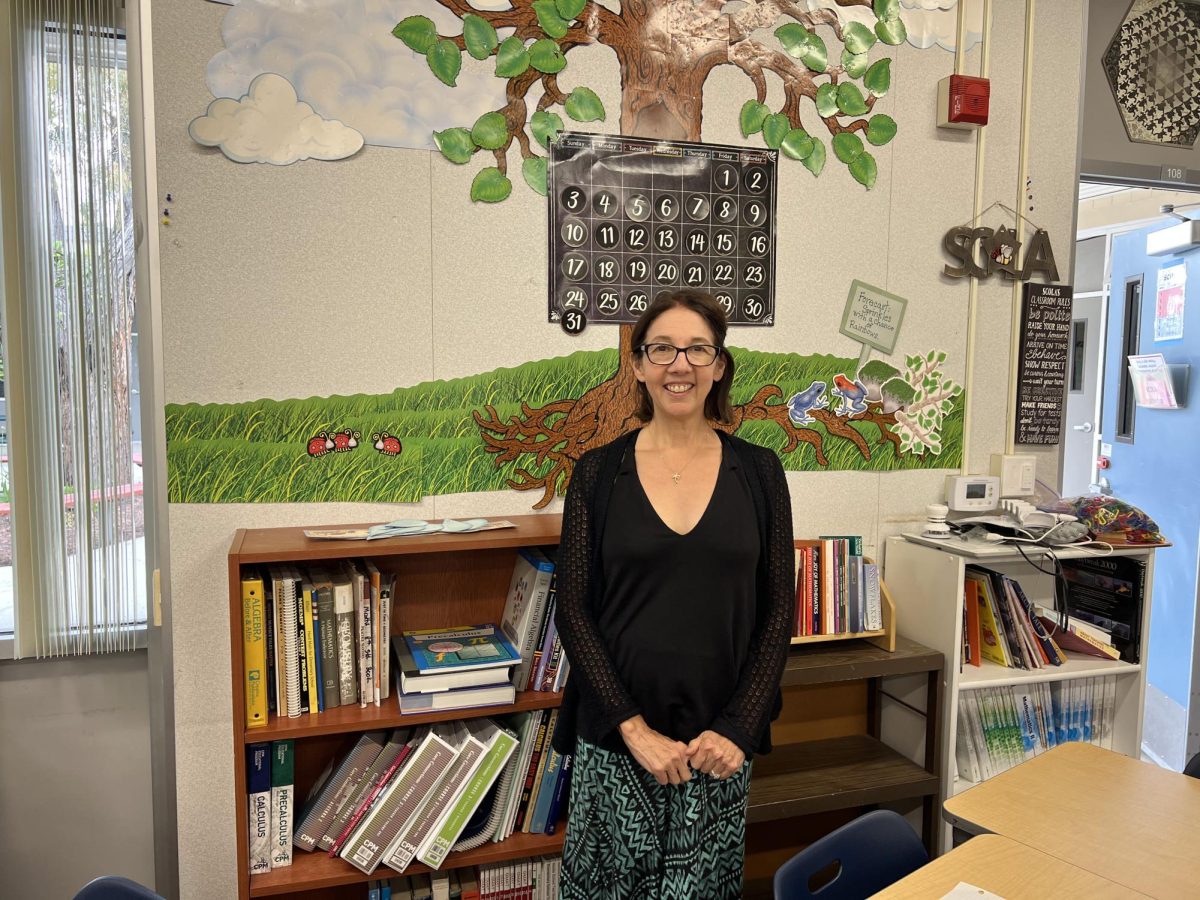
Initially we thought the scanners might be outdated, causing students to have to scan cards multiple times. But Torrens said that while the scanners have not always been efficient, they are the best ones in the school — even newer and more sophisticated than the ones in the library. He attributes the efficiency gap to the preparedness students enter the line with.
For example, when students line up to get books from the library, the vast majority of students have their physical card, with the expectation that verbal ID users must be in the back of the line. With cards in hand, library book or textbook checkouts are able to proceed without issue.
On the other hand, the lunch line breeds chaos. The vast majority of students use their phones — having to find their ID picture, adjust brightness, size and more causes crucial seconds to add up between each scan. Additionally, the students using verbal IDs aren’t always sent to the back.
Torrens said, “When people aren’t scanning their cards, [the cafeteria workers] feel awkward telling them to go back, so they don’t. They’ve allowed it over the years. At the beginning of every year, they ask me, ‘Matt, can you come in and enforce it?’”
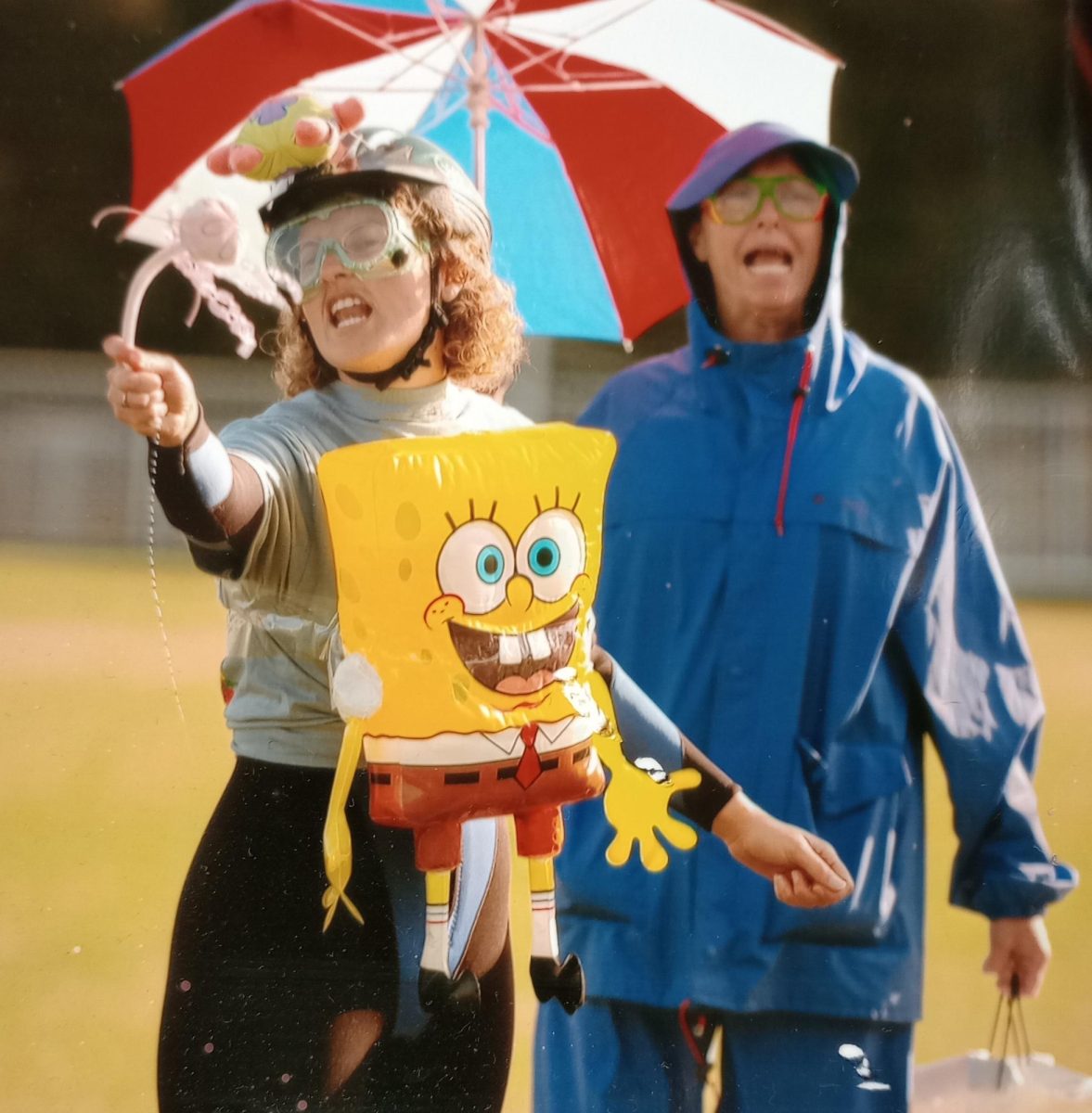
So if you are one of those troublemakers who also tries to sneak your verbal IDs through the line, holding up everyone else, as science teacher Janny Cahatol would say, “SHAME! SHAME! SHAME!”
To conclude our scientific findings: We found that, yes, verbal IDs are the issue. Almost worse, however, are the students whose phones don’t scan well, which isn’t always their fault. Our hypothesis wasn’t far off — scanning malfunctions created a lot of inefficiency and wait time for students further back in the line. However, people who don’t even try regular IDs equally contribute to delays.
Our observations confirmed that if you want to be as efficient as possible, physical IDs are the way to go; otherwise, get yourself a good photo of your ID that has a normal barcode-sized barcode — or even better, save the digital copy of your barcode sent by the school when registering for ID photos for easy, efficient access that makes lines move more quickly.
One way to solve these issues could be to create a “slow line”: Students who try to give verbal IDs (either due to a lack of preparedness or scanning issues) should be redirected there, reducing the average time each student takes to move through the line and maintaining a good flow while incentivizing carrying a physical ID.
If more students followed these practices, lines would be shorter and everyone would be fed in a more timely fashion.

