










Energy drinks like Red Bull have been popular among high school students for many years due to their supposed performance-enhancing properties. The belief is that they supply students with the necessary caffeine to get through the school day and then do their homework faster and more completely deep into the night.
The Center for Disease Control finds that 30-50% of adolescents consume energy drinks for extra energy. And once the habit of caffeine reliance is formed, it’s hard to break.
But young people often ignore the many negative effects resulting from the amount of caffeine energy drinks contain, such as how they usually make you more tired after a while.
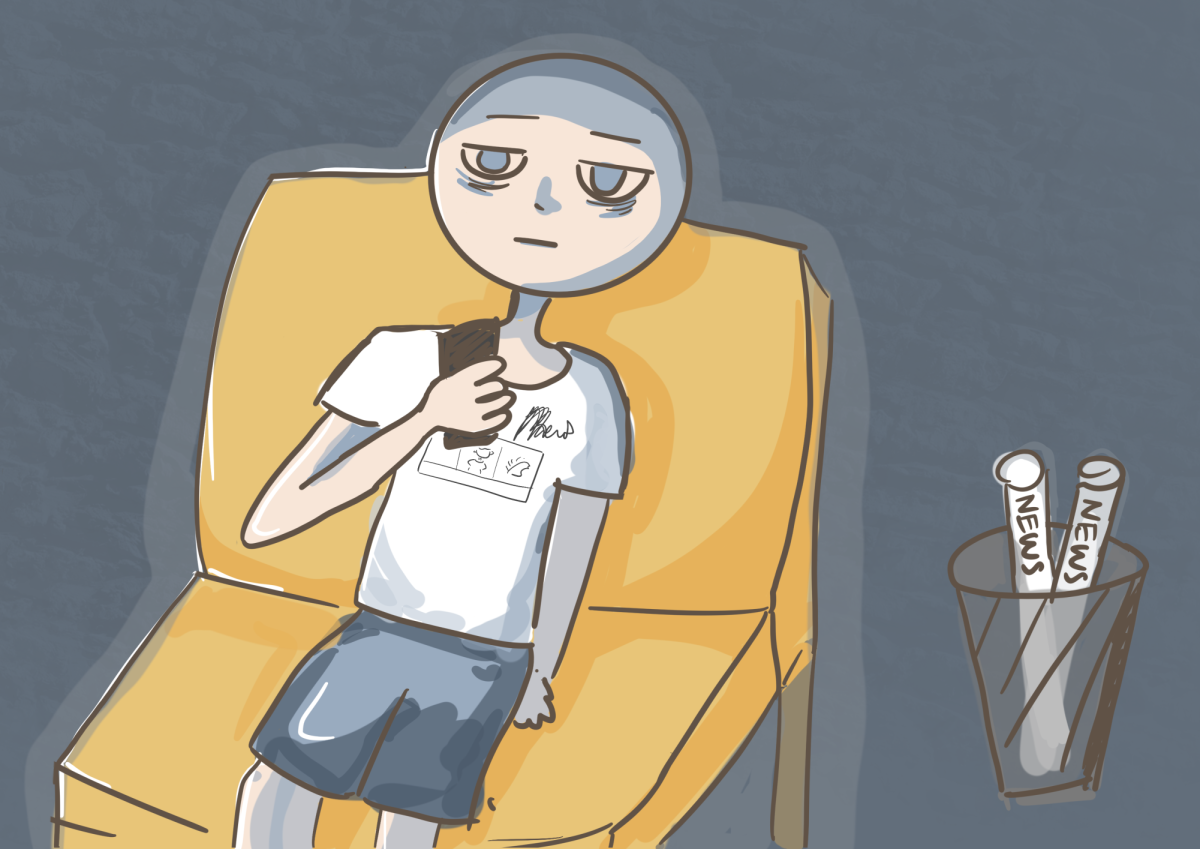
In eighth grade and ninth grade, I used to drink Monsters throughout the week right after school to get through my volunteering, track practice, guitar class and homework. Though they helped during the day, the other half of my experience with energy drinks consisted of sleepless nights, along with constant headaches and grogginess the morning after drinking one.
The energy drink, which has 150 mg of caffeine per can (roughly double a cup of coffee), did give me a short boost of energy. But after it wore off, the sudden decline in energy and focus made any work left impossible to finish. Even when going to bed, I felt the lingering effects of the caffeine as it decreased my sleep quality and made me tired the next morning, too.
My parents and other adults in my life had made clear the problems with these drinks and pleaded with me to stop. However, they ignored the workload and competitive culture around me that forced me to rely on these drinks.
The pressure I felt to succeed made me see drinking them as a necessity. My situation finally improved when I learned to manage my time better and developed a consistent sleep schedule.
It’s obvious energy drinks are bad for those who drink them regularly. The effects of energy drinks are usually marketed as lasting for three to five hours, but the caffeine can linger in your system for up to 12 hours, which means drinking them any time after noon will most likely affect your sleep.
By drinking energy drinks constantly, teenagers are quickly destroying their sleep schedule, attention span and bodily health. Energy drinks and caffeine have been linked to blood super spikes, increased blood pressure, irregular heartbeat and a plethora of other negative effects. An overreliance on them can turn you into a zombie — you’ll feel tired before you drink it and even worse when it wears off.
Despite their negative effects, the stress some students feel makes it difficult to survive without some type of energy boost during the day, especially in testing season.
The competitive academic culture of South Bay high schools, especially one like SHS, means that many students destroy their sleep schedule all too often. For example, in the 2025-2026 school year, around 75% of the student body is taking at least one Honors or AP course, and more than 80 students are taking two or more AP science classes at the same time, according to registrar Jean Hsu.
During busy times, students may feel that caffeine is simply a necessity to avoid falling asleep in class and getting yelled at by a teacher.
Even past high school, college students and young professionals use energy drinks to squeeze more productivity out of their days. In fact, the Society for Human Resource Management and Harvard Business Review found that overwork and burnout are norms of today’s U.S. working society, making energy boosters more normalized and attractive to a large population.
Peers and parents are quick to blame students for their over-reliance on these sources of caffeine, but are quick to ignore the massive amounts of work that lead to these addictions. Besides attacking energy drinks, we should address the underlying pressures that make students and adults feel the need to take on unhealthy workloads and survive on Red Bulls.