














On Sept. 12, Sushila Karki was appointed as Nepal’s new temporary prime minister after anti-corruption protestors overthrew the government. Young revolutionaries, including 17-year-old Amrita Tiwari and 24-year-old Yujan Rajbhandari, joined together to use the communications app Discord to vote for and propose Karki as a new leader.
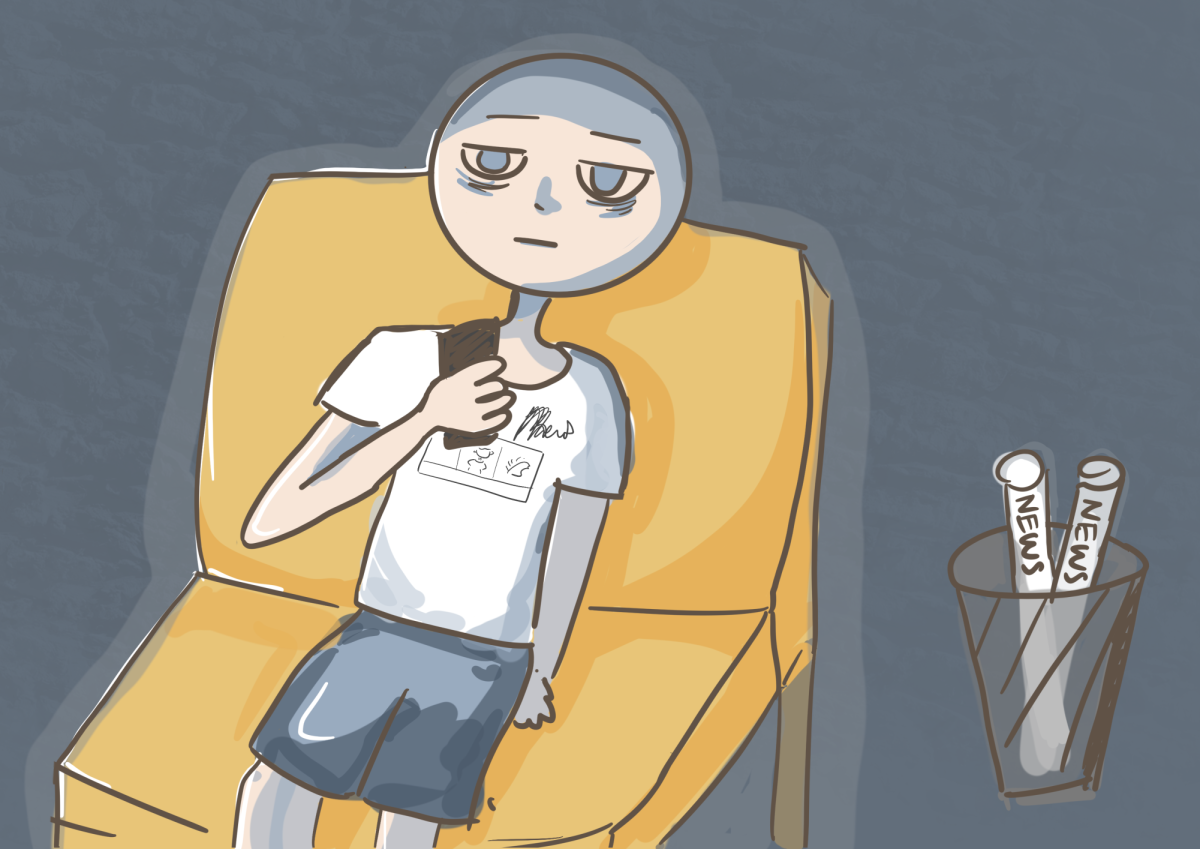
This revolution, like many other political events today, has been largely influenced by the growing relevance of easy-to-access technology despite the high stakes of the decisions involved. The online culture of Gen Z, the first generation growing up with constant access to the internet, has massive implications for the future of politics.
Social media and technology provide huge platforms for political influence and decisions, and the generation that uses them the most is getting old enough to be more involved in the political landscape. These days, Gen Z is becoming a substantial part of the electorate, and younger officials are beginning to take public offices. However, online influence on real-world events has many downsides.
Social media too often allows radical and sometimes harmful ideas to spread unchecked. For example, conservative activist Nick Fuentes has gained a large audience on X and YouTube, building up hundreds of thousands of young supporters, before subsequently being banned on these sites for advocating racist, white supremacist, homophobic, misogynistic and antisemitic views. He now hosts shows and livestreams on his own website. These livestreams, sadly, are attended by the thousands of followers he attracted before on mainstream sites.
The spread of misinformation online has been exacerbated by algorithms that favor engagement over accuracy and an overall lack of fact-checking in web posts and fake news sites.
Social media apps make it easy to manipulate younger people. Teenagers and young adults have underdeveloped frontal lobes. This makes them have more impulsive and emotionally driven decisions. Simply put, they are more susceptible to harmful, false information found online.
Taking further advantage of the younger generation’s underdeveloped decision-making, specific forums and communities on the internet can become echo chambers for prejudice and misinformation. While most people hide their controversial opinions behind online anonymity for fear of social backlash, some online groups can radicalize individuals into committing hate crimes.
Extreme examples include Stormfront, a white supremacist forum related to hundreds of racially motivated killings with around 400,000 registered users, and 8chan, a website used by mass shooters to host ISIS (Islamic State of Iraq and Syria) online networks, post agendas and livestream killings; both have been used to recruit members and facilitate attacks.
Many political uprisings, similar to the recent ones in Nepal, have been staged through social media. This includes the Jan. 6 U.S. Capitol attack by Trump supporters in 2021 and the 2023 Bolsonarist uprising in Brazil. The communications for both uprisings were largely organized on platforms such as Telegram, Facebook and WhatsApp.
It is, of course, impossible to keep online communication out of politics. The increased presence of Gen Z in politics means social media will become more and more prominent and powerful as well, and its impacts range from the spread of misinformation to large-scale political unrest. These platforms can be a great place to share ideas and bring attention to problems, but they can just as easily spread harmful agendas, fuel hate crimes and encourage political uprisings.
Social media is a great tool for people all around the world to spread ideas and advocate for issues; however, it can easily be used for harm. If people are educated to use social media responsibly and identify the telltale signs of misinformation, social media will have a better chance to fulfill the worthy goal of housing a supportive community full of diverse perspectives.

