
























For many student athletes, pregame meals have a lot to do with their success or failure in the heat of competition. What an athlete eats before their game affects how much energy they have, how quickly they recover and how well they perform. And while different sports have varying nutritional needs, there are some overall commonalities for successful precompetition meals.
Generally, sports nutritionists say that a smart pregame meal focuses on carbohydrates for steady energy, specifically 1-4 grams of carbs per x kilogram of body weight and eaten 1-4 hours before games.
Research also shows that adding protein can support recovery, so many popular pregame meals include foods like oatmeal with bananas, rice with lean chicken and turkey sandwiches.
Many Falcon athletes already follow these guidelines to heighten their game. We spoke to a few.
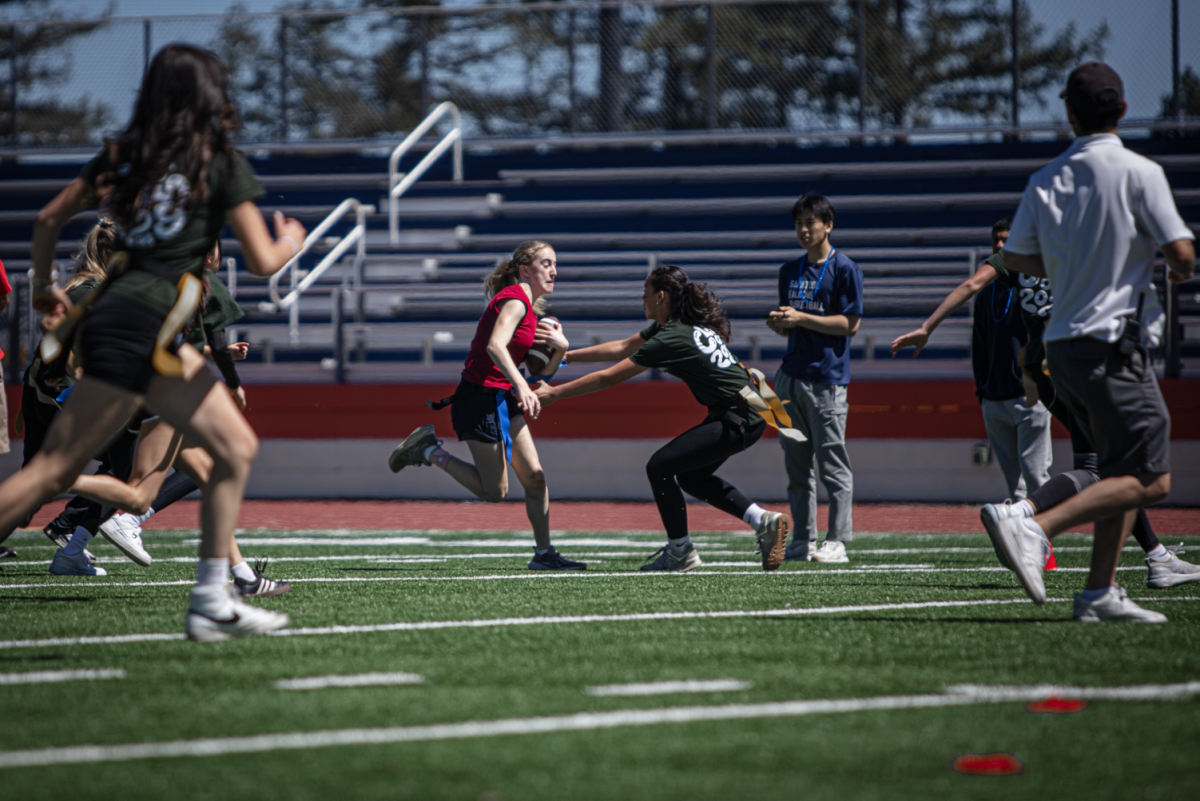
Football: quick energy with protein support
As a wide receiver, junior Akiva Goldwasser’s pregame meal typically consists of a balance between carbohydrates and protein for muscle support during the games.
“I usually eat some mac and cheese, Chipotle or Fire Wings to make sure I’m not too full and have a good amount of energy for my games,” Goldwasser said.
Soccer: carbs for endurance
Junior Viggo Jensen, who plays fullback, needs to fill similar carb and protein requirements to that of football. He chooses tasty foods with larger amounts of carbohydrates due to the fact that his sport is more endurance-focused.
“I personally really like going to Taco Bell or Dave’s Hot Chicken. It tastes really good and it helps me get a lot of carbs pregame and balance out my macros,” Jensen said.
Basketball: light but nutrient dense
On the other hand, senior guard Alex Sinton believes having a light meal consisting of vitamins from fruits and vegetables is the best course before a game.
”Before games I like to eat fruits like golden kiwis or bananas. It’s good to eat something light and nutritious so you don’t feel weighed down during the games,” Sinton said.
While all the athletes have different pregame meals based on their sport, each of them play an important role in their performance throughout their practices and games.
“It can help your performance a lot if you eat lightly before a game,” Goldwasser said. “But having the right pregame meal definitely plays a huge role in my football performance.”
No matter which sport you play, your pregame meal significantly affects your performance. There have been many studies on what is the best kind of meal based on your sport.
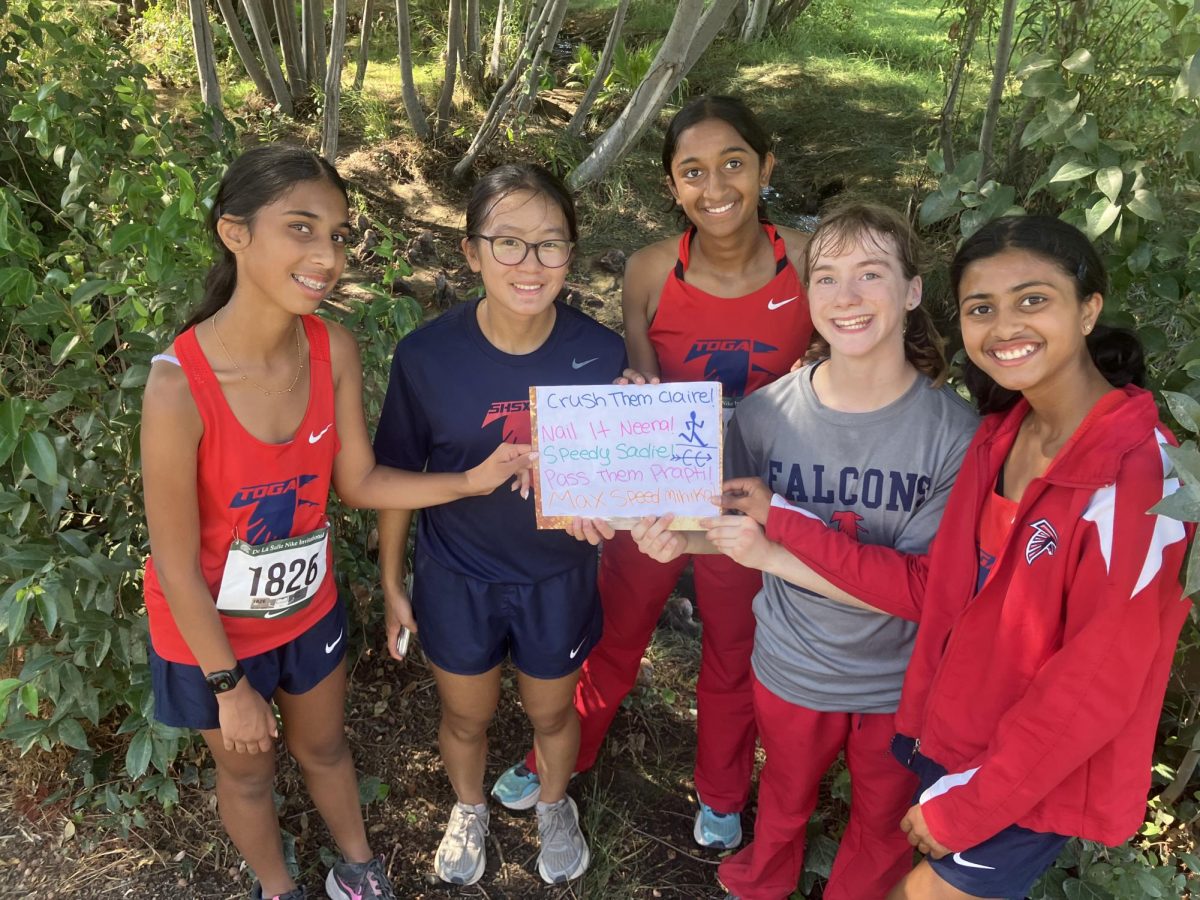
Studies show that for sports like cross country, athletes should prioritize carbs. Carbs are an extremely efficient fuel source for your body. For sustained sports like cross country, they can help keep you going for longer.
On the other hand, for sports like soccer, players’ bodies need more protein. Proteins help the muscles in your body. When consumed multiple hours prior to the game, proteins can provide your muscles with amino acids, which help them last longer.
If you don’t feel like putting in too much effort on your meal plan, here are some good meals for all sports alike. Most of them need you to consume either protein or carbohydrates depending on what kind areas of your body the sport exercises.
