

















Courtesy of Sophia Tsives
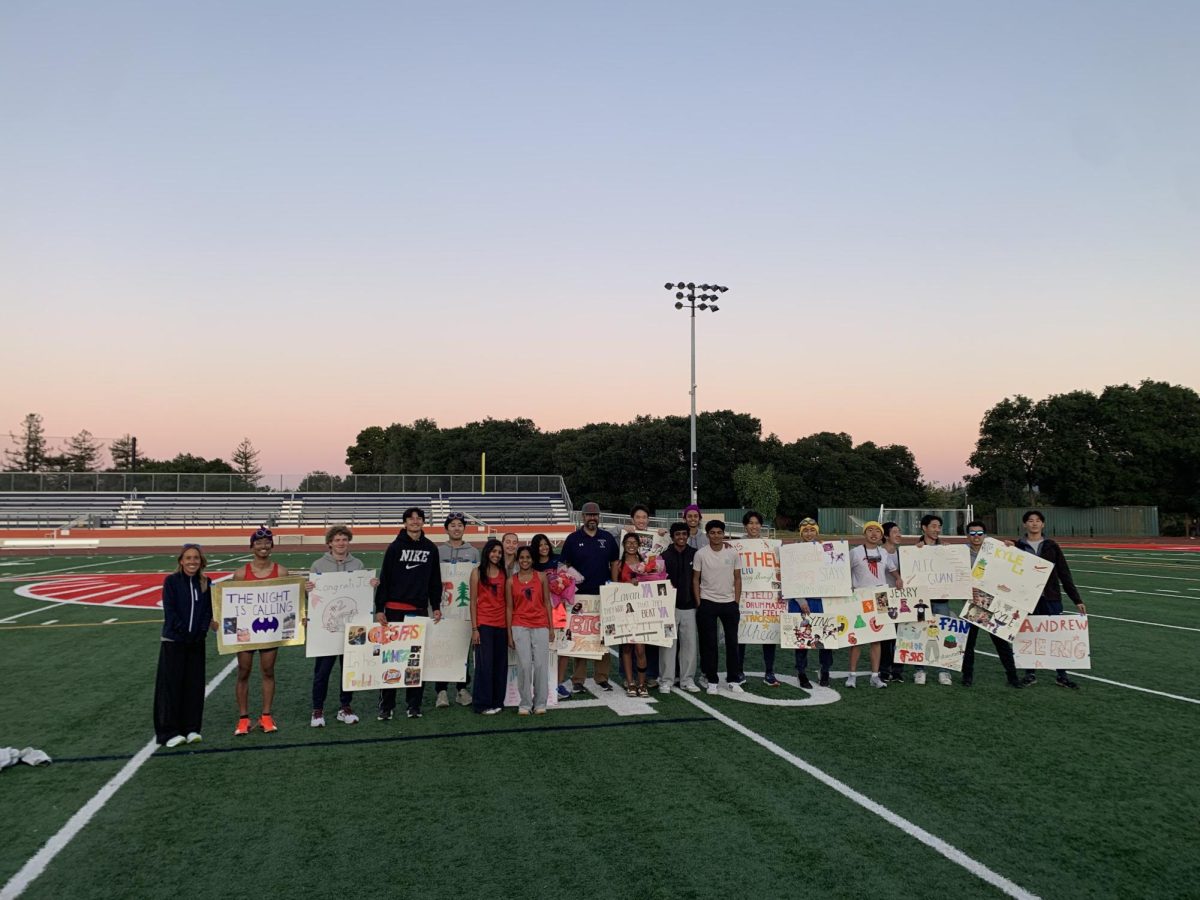
Despite water polo being a new sport for her, Tsives is looking forward to potentially joining a club team in college.Senior Sophia Tsives was one of six girls’ water polo seniors celebrated on Oct. 16 during their Senior Night game against Homestead High School. While she has spent much of her life in the pool, this was only her first season on the team.
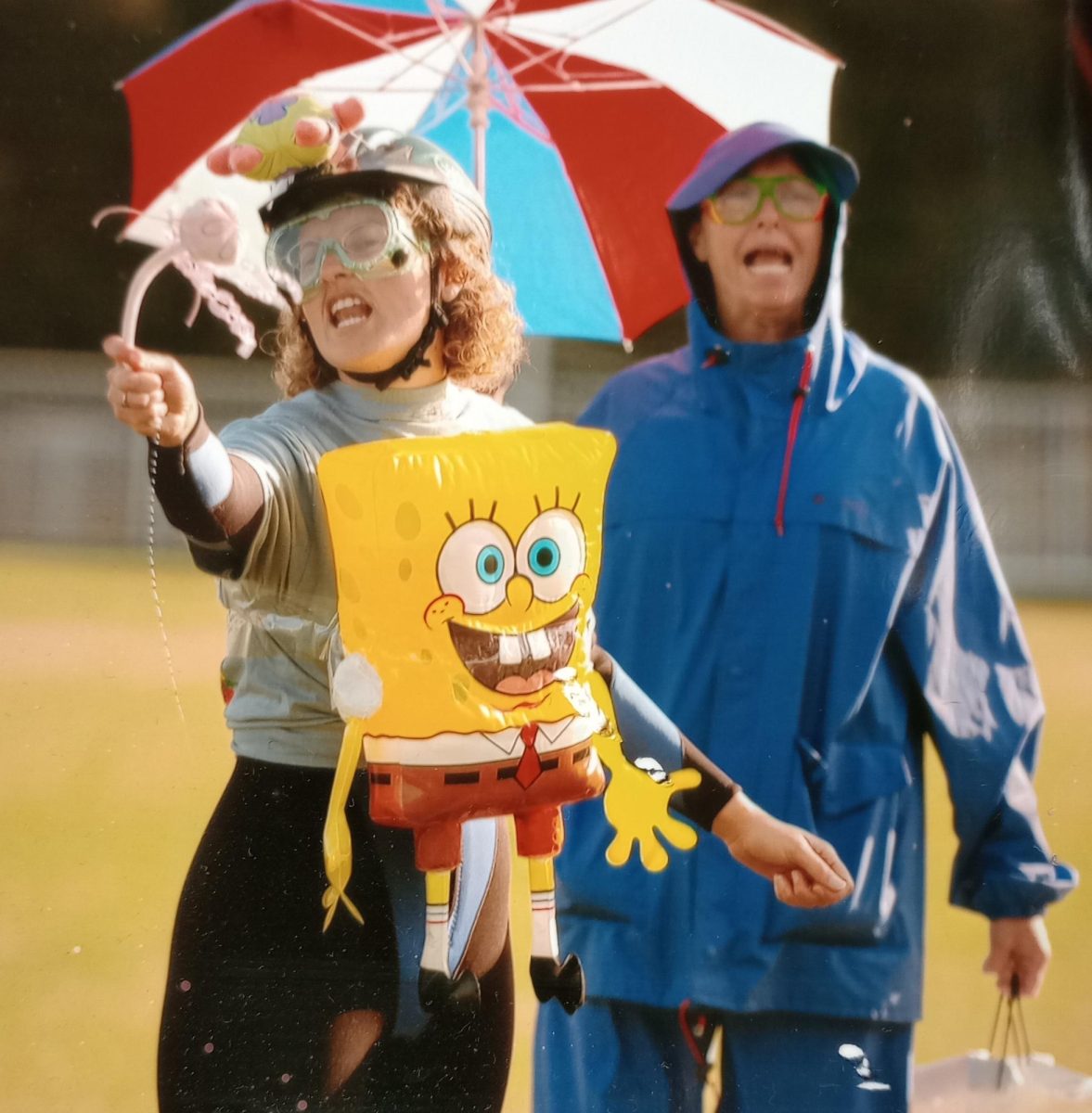
Just two years ago, Tsives was a member of the Youth National Team for artistic swimming, but ultimately chose to take a break from the sport in her senior year to join the school’s water polo team and experience being on a school sports team.
Luckily, Tsives’s experience as an artistic swimmer allowed her to gain a role as a starter — something she attributes to her pre-existing leg strength and skill in eggbeating, a kicking movement that allows players to jump out of the water.
“I wanted to join water polo because many people from [synchronized swimming] go into it because they already have the leg strength and speed for the sport, so that gave me a big advantage,” Tsives said.
Despite both being team sports, water polo involves seven players from each team in the pool at once, while artistic swimming only involves eight performers, and the focus is on perfecting routines rather than scoring goals.
Another big difference is that water polo requires physical contact with opponents, with common fouls including taking the ball underwater, kicking under the water and splashing an opponent in the face.
Finally, the practice and competition schedule for water polo is drastically different from artistic swimming; the team plays two games a week, while her artistic swimming team has only four competitions a year, but workouts are nearly constant to be ready for those contests. Previously, Tsives trained six days a week, with four to six hours of practice a day.
“Water polo requires a lot more communication during a game in telling your teammates where to go and to which position so that the play runs well,” Tsives said. “In synchro (synchronized swimming), it’s a routine that we practice constantly so there isn’t that level of communication because we are underwater more than half of the time.”
Despite not actively competing in artistic swimming this year, Tsives is still looking into recruitment opportunities. While the sport isn’t offered as a Division I sport at many schools, Ohio State is currently one of her options while she decides if she would like to compete at such a high level.
Even if she doesn’t choose a recruitment pathway, she said she looks forward to joining a club team for artistic swimming or even club water polo in college.
“I’ve been loving the sport so far and learning more and more everyday,” Tsives said. “I’ve gotten to know the girls on the team really well and we all have a really close bond.”
