















Courtesy of Reuters
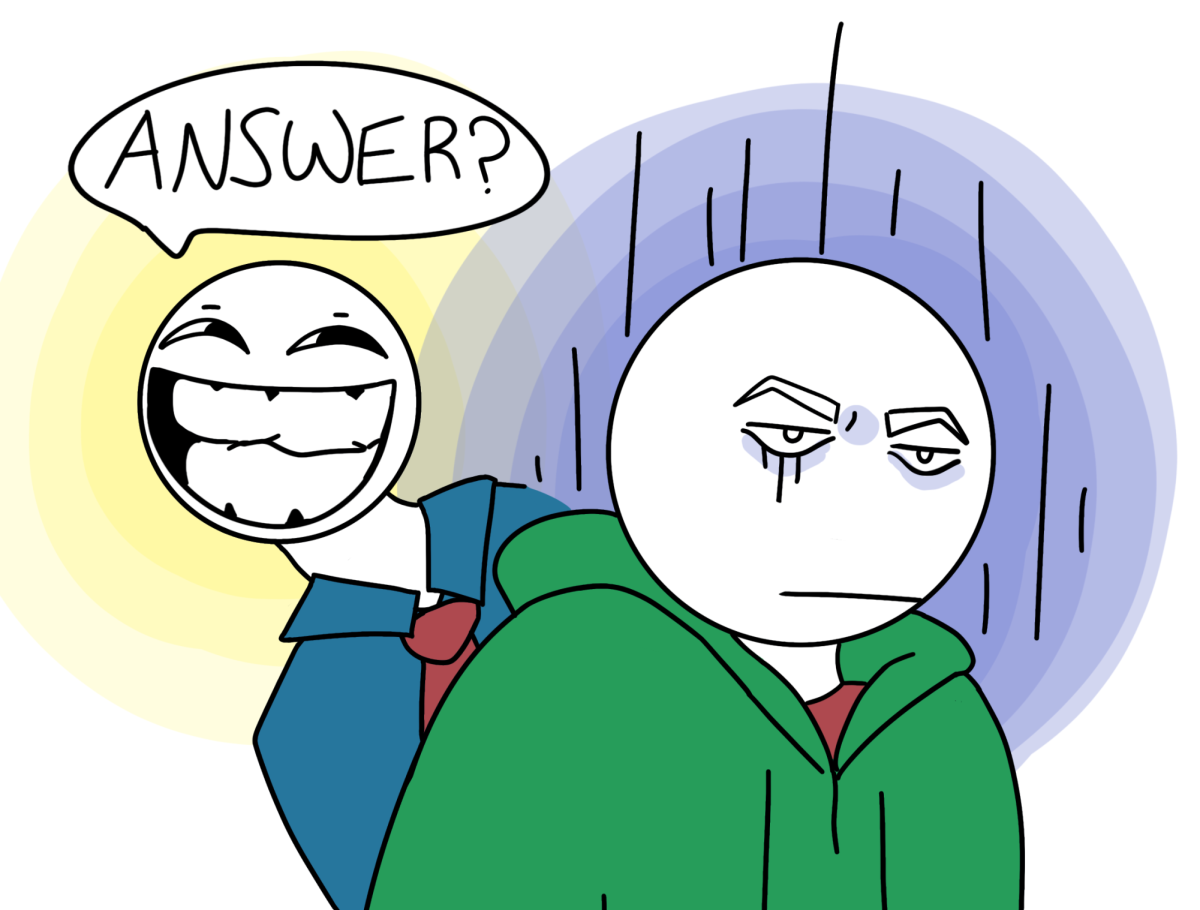
Kimmel on his show “Jimmy Kimmel Live!”ABC and its parent company Disney caved to political pressure last month when they pulled Jimmy Kimmel’s late night show off the air; just six days later, those same leaders, after facing widespread criticism, reversed their decision.
The suspension occurred shortly after Kimmel criticized President Trump’s handling of political commentator Charlie Kirk’s assasination. He stated that Trump’s “MAGA gang” was “desperately trying to characterize this kid who murdered Charlie Kirk as anything other than one of them.”
In a nation that promises to protect freedom of speech and the press, Kimmel’s suspension from air for his commentary violated the spirit of the First Amendment. Kimmel, known for his stark satire, has every right to critique the Trump administration, as should every citizen without fear of governmental retribution.
The Trump administration’s attempts to silence critics like Kimmel are unconstitutional. Trump and his allies cannot be allowed to continue this uncalled-for censorship of critics, and actions must be taken to ensure that this kind of intimidation isn’t successful.
A week after nearly being fired, Kimmel returned to the air following “thoughtful conversations” with Disney on the nature of his words and his suspension. Even so, his show was barred from several conservative distributors, like Sinclair Broadcast Group, for a short period of time resulting in criticism from various political figures, even Republicans such as Texas senator Ted Cruz.
Sinclair stated after the pulling of Kimmel’s show off the air that the company’s “objective throughout this process has been to ensure that programming remains accurate and engaging for the widest possible audience.”
Sinclair’s decision reflects how conservative, MAGA-leaning sides of the media use the guise of viewer contentment as an excuse for silencing views they don’t like.
Put simply, conservative networks like Sinclair are suppressing more liberal voices — such as Kimmel’s — essentially censoring their ideas to their majority-conservative audience.
Kimmel’s removal from air and his later reinstatement all seem like a ploy to gain control over the media by Trump and his allies.
The Federal Communications Commission (FCC) holds the power to restrict or ban speech, maintaining the authority to act upon complaints about media presented on TV and radio. Their powers are, however, still limited: The First Amendment specifically states that the federal government should, under no circumstances, create laws abridging freedom of speech nor press.
Trump-appointed FCC chair Brendan Carr, who many attribute Kimmel’s removal to, stated that the FCC grants licenses to public broadcast channels and stations and is therefore obligated to operate in the public interest. Although the FCC technically has the right to take away this license whenever necessary, many have claimed Carr overstepped his rights by removing Kimmel from air for political reasons — not for any legitimate public interest.
In America, politicians must be able to endure harsh and often unfair criticism, especially from critics such as comedians. Yet, the entertainment industry has found itself in a slippery slope where even one wrong word can result in a late-night host getting fired.
Stephen Colbert, another late-night host, has also faced the long reach of Trump’s determination to silence opponents. After Colbert called out his show’s parent company Paramount for settling with the Trump administration for $16 million, his show, “The Late Show with Stephen Colbert,” was announced to be cancelled by May 2026.
The heads of both Paramount Global and CBS stated only a day after the announcement that the decision was purely due to budget cuts and had absolutely nothing to do with any content or other supposedly unrelated matters. However, many speculate that the canceling of Colbert’s show was merely an attempt to appease Trump and his powerful allies.
California senator Adam Schiff tweeted in response: “If Paramount and CBS ended the Late Show for political reasons, the public deserves to know.”
Across the country, people have been voicing their concerns and anger with the Trump administration’s increasing control over independent media.
On Oct. 1, actor and activist Jane Fonda, along with 550 other celebrities, relaunched the Committee for the First Amendment, to stand up for freedom of speech and press during a period of censorship and government control over dissenting voices. Fonda leads a continuation of a committee first established to fight against the Red Scare in the 1950s.
In a country where even tweeting about the Kirk assassination or showing support to Kimmel and other internet personalities can result in people getting fired, defending the First Amendment has become urgent.
“Our government cannot be allowed to control what we do and do not say on television,” Kimmel said during his opening monologue upon his return from ABC’s suspension. As a nation, we should heed his words.
