






















This school year, in reaction to a new state law, the district created a more formalized policy on cell phone usage; in most cases, students have faced added restrictions to cell phone use during classes, though not all teachers have the same approach and some classrooms feel much as they have in the past.
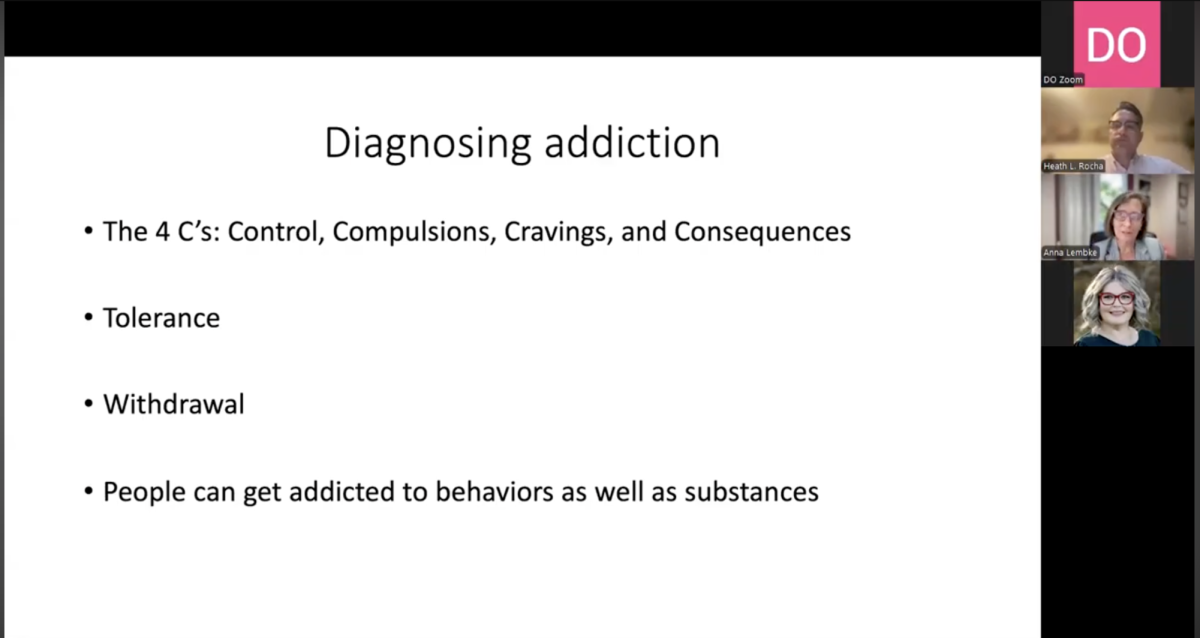
To help parents understand where the ban comes from, the district invited family members to attend Dr. Anna Lembke’s webinar on Oct. 1. Lembke is a professor and the medical director of Addiction Medicine at Stanford University.
Lembke is the author of multiple books and papers such as the best-selling “Dopamine Nation: Finding Balance in the Age of Indulgence” published in 2021. She has also appeared in the Netflix documentary “The Social Dilemma,” and serves on several state and national boards.
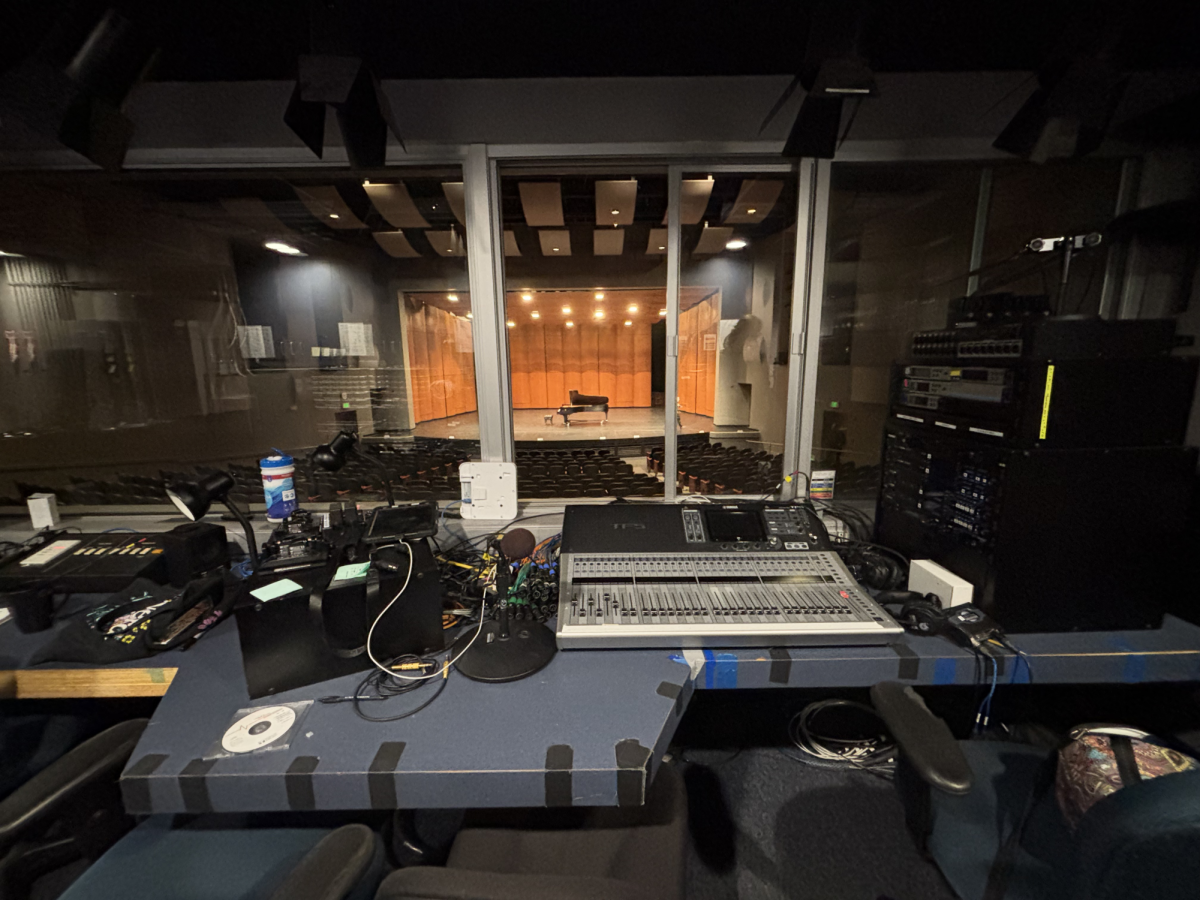
This is Lembke’s second time presenting to the school, following a presentation on dopamine addiction in April 2024 in the McAfee Center. She presented findings from her book “Dopamine Nation: Finding Balance in the Age of Indulgence,” where she addressed the brain’s and body’s reaction to dopamine and stimulants from mobile devices.
This year, her webinar provided tools and insights for navigating teenage technology use. Her talk explored the science behind compulsive overconsumption, the benefits of a digital hiatus and practical strategies for finding balance in a dopamine-overloaded world.
She emphasized the severity behind social media addiction, comparing it to alcohol addiction and explaining how pleasure and pain work together to create withdrawals and tolerance with repeated exposure to dopamine-related activities.
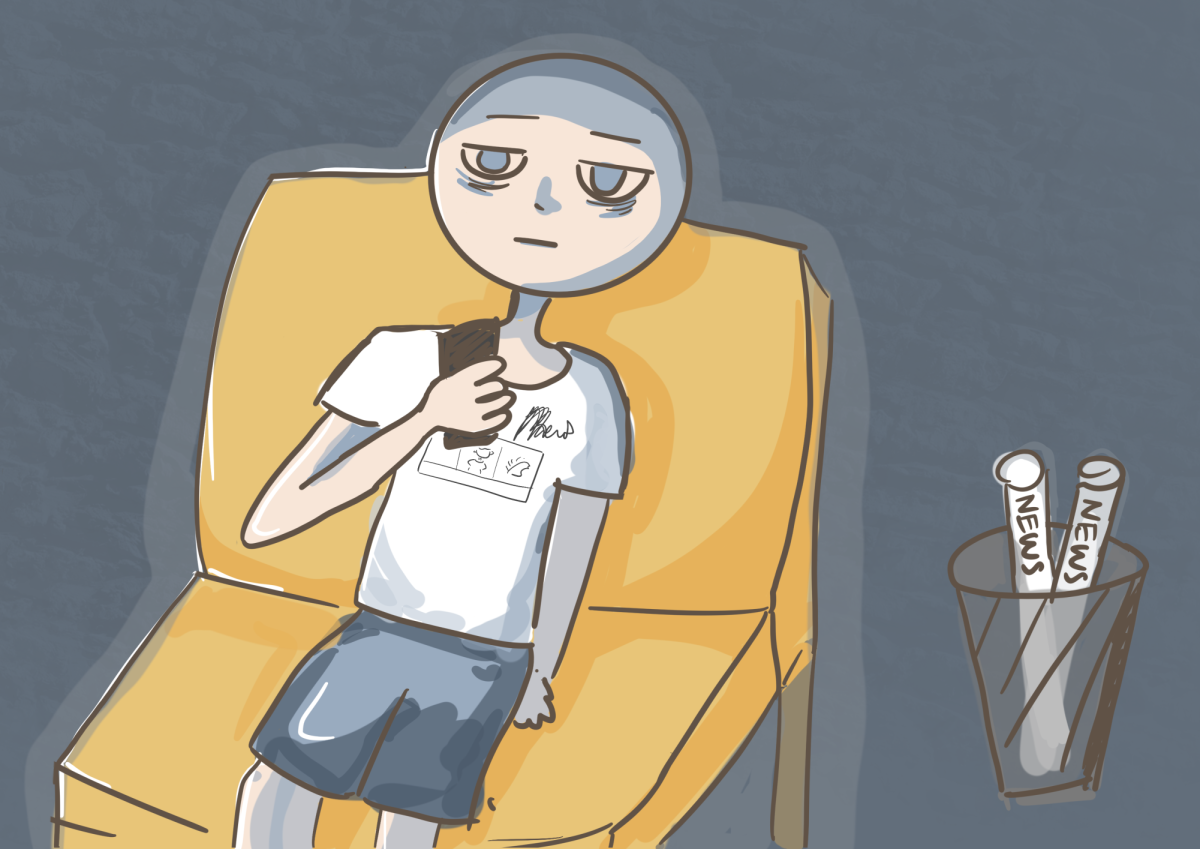
“This is precisely what is happening to our kids who are spending all of this time on digital media because digital media is a drug,” she told attendees. “It absolutely activates that reward pathway. And if with repeated use it stops being pleasurable and yet we cannot disengage because we’re driven to try to restore a level balance by using more of it and more potent forms. The result of which is that we are more depressed, more anxious, more inattentive, more unable to sleep and craving our drug.”
To highlight her point she also used data, telling her audience that ”every hour of increased social media use, the risk of depression and anxiety goes up by 13%.”
However she also provided tools to assist with overcoming this addiction, many paralleling those used to overcome alcohol and drug addiction. She described the benefits of a one-month abstinence trial, where kids abstain from all social media; one month is the time it takes for a person’s craving to subside.
Lembke’s insights on technology use and addiction align with the reasons for the cell phone ban.
“As a district, we are committed to supporting the whole child,” said superintendent Heath Rocha in an email to parents. “In alignment with our new cell phone policy, this [webinar] is an opportunity for us to work together to help our students and each other find a balance in our digital world.”
