





In the U.S., after copyrights on original media expire, the work joins the public domain and is available for anyone to use without paying the copyright holder. These periods begin 95 years from the original publication date in cases of corporate ownership and 70 years after the death of the author for individuals.
In 2022, “Winnie the Pooh” by A.A. Milne (1882-1956) entered the public domain. “Steamboat Willie,” the first-ever appearance of Mickey Mouse in an animated cartoon, followed suit in 2024.
Because of the modern longevity of media, more and more characters that emerged almost 100 years ago remain popular and are becoming free to the public to use without compensation each year. But what does this mean for the future of entertainment?
In 2024, Night Signal Entertainment — a horror YouTube channel that makes “games, films and music from your half-forgotten memories,” as they advertise — released “The Vanishing of S.S. Willie,” a short film taking advantage of the recently released “Steamboat Willie” copyright.
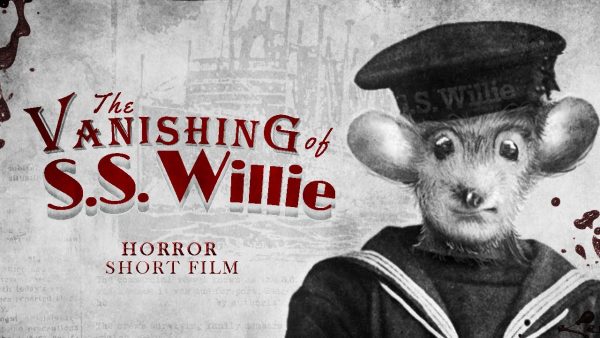
The adaptation uses a “found footage” style and pictures of real animals, and it presents Mickey and Minnie as realistic mice in sailor outfits who murder their crewmates and record their screams as music. This is in contrast to the original “Steamboat Willie,” where Mickey and Minnie twist their crewmates’ rubberhose bodies into instruments and perform a song for laughs.
“Steamboat Willie” was not the only major new public domain property adapted to horror. A few years prior in 2022, “Winnie the Pooh” was also released to the public domain. A year later, “Winnie the Pooh: Blood and Honey” came to theaters. Despite the highly negative critical response, it still represents an important milestone in creative freedom that occurs when a copyright expires.
“Blood and Honey” is a full movie in theaters — something that could never have been done before the copyright expired. Due to the recent releases of these restrictions, much of the new content is meant to shock the viewer by “corrupting” their childhood friends. But once this resurgence dies down, these properties boast enormous potential in every genre.
For nearly 100 years, Disney has jealously guarded its properties in order to maintain its position as the only one allowed to use these beloved characters. Had they not lobbied the U.S. government to extend copyright protection, “Steamboat Willie” would have been released in 2003. Companies are holding public creativity back by not allowing them to access old properties, even when companies like Disney need to protect their own image.
For example, “Steamboat Willie” being in the public domain compromises Disney’s image by opening it up for anyone to do as they like — as seen in the horror adaptations previously mentioned. The argument is that this kind of usage could potentially damage the image of Disney’s character and reduce its profits.
Regardless, releasing properties usually isn’t harmful to the original company. Even with the release of “Blood and Honey,” the image of Winnie the Pooh the character remains generally untarnished, and few consider the movie to be connected to Disney.
In fact, allowing others to use their characters can even improve people’s view of these corporate giants. The backlash when Disney aggressively lobbied the government for the Copyright Term Extension Act — which heavily increased renewal terms, effectively freezing the advancement of public domain until 2019 — proves this effect.
The release of characters into the public domain can even offer benefits by serving as inspiration for Disney creators. It allows Disney to take ideas from other creators without limiting their own ability to use those properties.
Though these characters may be released right now, later versions of them and other related characters are still protected.
“Steamboat Willie” may be in the public domain now, but Goofy won’t be free until 2028 — well, not exactly the Goofy we know today. This original version, “Dippy Dog,” who looks almost the same but a bit older, is set to release first. Aspects of characters, like names or characteristics, are released only when the specific media that introduced those aspects are released. For example, Goofy can’t be called “Goofy” until the short films that originally used this name are made public, which will happen starting in 2035.
From Popeye (releasing in 2025) to Superman (releasing in 2034) to Captain America (releasing in 2036), each year the pool of available properties grows ever larger. Characters entering the public domain benefits everyone — the creatives who invent new adventures, the people who experience these new worlds and the companies who draw inspiration to polish their own works. Public domain law protects and inspires creativity, and it will be exciting to see how creators bring these classics to life once again as more can live in the world without restrictions.
