








In the late ‘90s, the buzz of students playing basketball echoed across six outdoor courts near Herriman Avenue every afternoon. Among the crowd was a teenage Erick Rector; the longtime English teacher remembers heading to the courts with his friends the moment the dismissal bell rang.
Thirty years later, the bustle of students has been replaced with the sounds of car engines on a vast asphalt parking lot next to the football field, the spot where Rector and his friend once played basketball.
This small change is just one of dozens of examples of how the school’s campus and culture has changed in the past quarter century.
For Rector, playing basketball at those courts was a core memory of high school.
“I don’t like parking lots, and I don’t think that taking away basketball courts so that students who live across the street can park their cars at school is necessary,” Rector said.
Since 2000, much of the school’s landscape has been renovated and updated. The funds that make these changes possible come from Measure E, a bond fund passed in 2014 to support renovation efforts of the school district. The money from this fund has been used to modernize classrooms and various buildings across campus, including the MAP, music, science and engineering building.
In 2007, the Media Arts Program was introduced along with the plans to build a large new building dedicated to serving media classes. It was located behind the engineering building and weightlifting room. The building’s construction was completed in 2010, offering students a newly renovated space for multimedia production and recording.
Lisa Cochrum, who has taught Biology and Earth Science here for 33 years, recalls what the school was like when she first started teaching in the 1990s — in particular, when science classes were held where the art wing is today.
Cochrum noted the old building’s serious safety issues that often placed students in dangerous situations. One of the major concerns was the arrangement of classrooms, which made it difficult for science teachers to monitor students during labs. According to Cochrum, teachers were only able to notice safety hazards after they had escalated to dangerous levels.
Originally built around the time of the school’s founding in 1959, the old science classrooms’ electricity and water systems were deteriorating by the time the late 1990s rolled around, creating a dangerous environment. Cochrum recalls a number of accidents occurring in those years, including a student who got shocked from plugging in a microscope and a water pipe breaking above the head of a parent during Back-to-School Night.
In 2001, thanks to the multimillion-dollar facilities bond, the department relocated to the newly constructed and state-of-the-art science building in the back of the school. To this day, Cochrum remains extremely grateful for having the opportunity to teach in the updated science building.
“The facility we’ve got is breathtaking, and it allows us to do incredibly high-level science with our students,” Cochrum said. “Words cannot express how this building has changed my job here, and the kids are getting a much better education because of the facilities.”
Another fascinating transformation of the last few decades occurred within the student center. Originally serving as the school’s library building until the late 1990s, the building became the student center in 2019, a much-needed improvement to the campus.
SHS alumna and attendance technician Mandy Armes noted the importance of a student center on campus compared to her experience here as a student in the ‘90s.
“We just hung out in the quad; there was no place to go where we could do collaborative things or where clubs could hang out,” Armes said. “If we needed a place when it was raining, we didn’t have that.”
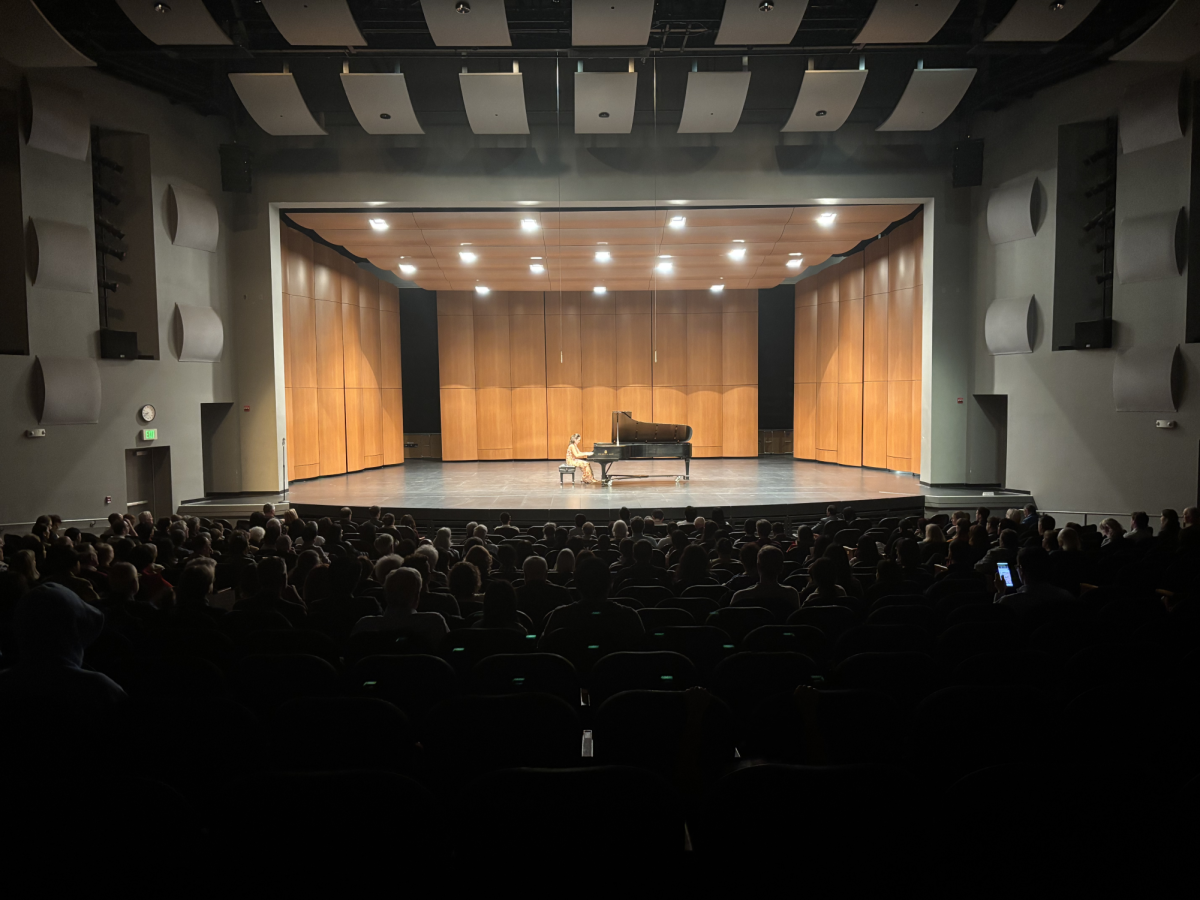
Armes also participated in numerous musicals during her student career — but during her time at SHS, students couldn’t enjoy the luxury of a large-scale theater like the McAfee Center, which was completed in 2005 and immediately became a major and beloved community resource. Before then, musicals and plays were usually performed at the Los Gatos theater or the much smaller Thurmond Drama Center near the cafeteria.
“I’m jealous, because I did theater here when I was in high school and I’ve never gotten to do a show on that stage,” Armes said.
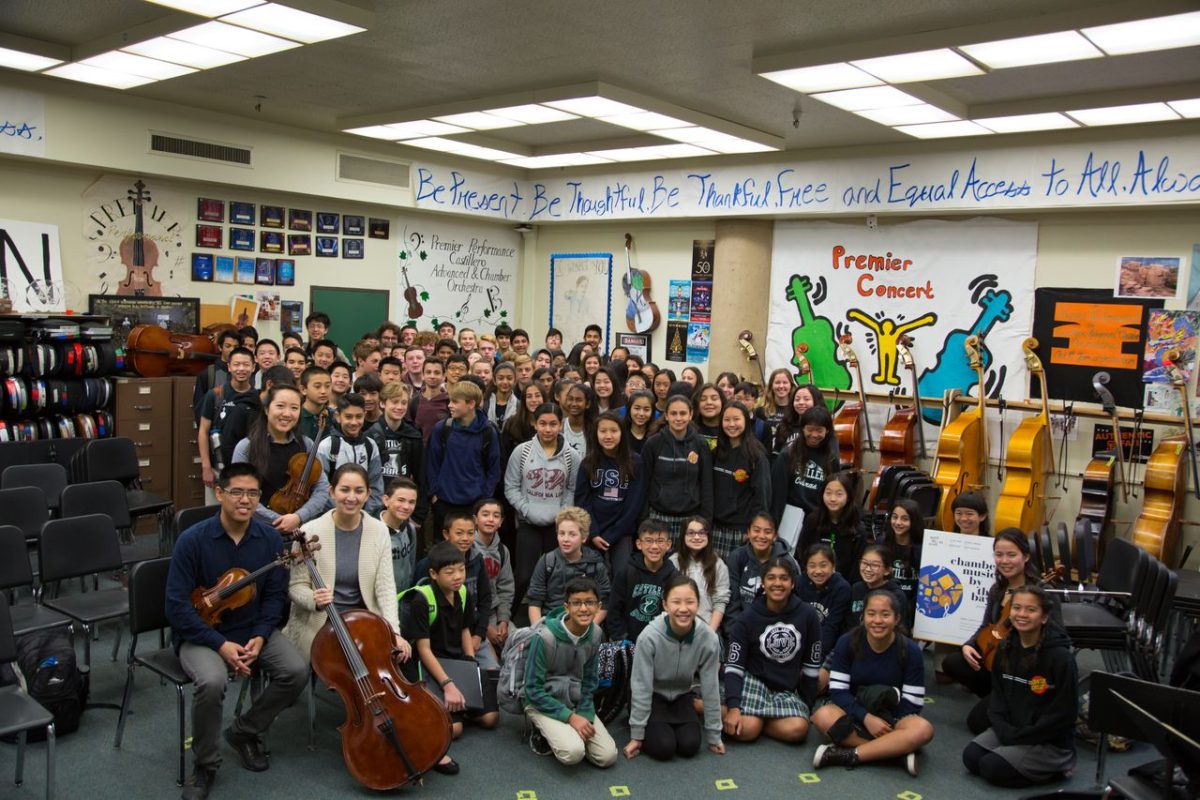
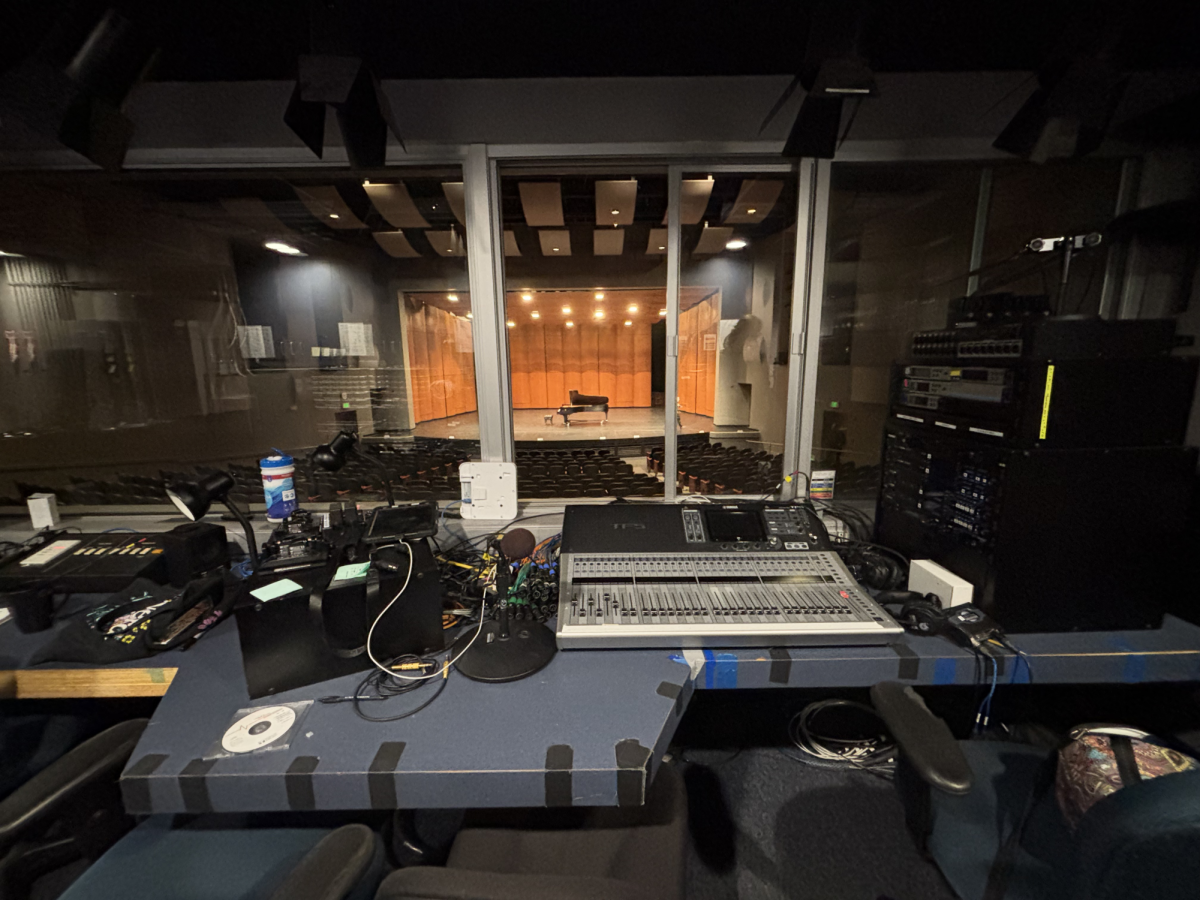
Right next to the McAfee lies what many teachers call the new music building, its construction completed in 2017. The music building boasted floor to ceiling windows, eight practice rooms and separate rooms for band and orchestra.
The location of the new building also made moving instruments much more convenient for students. Before, music students had to move their instruments from the old music building, where the MAP Annex is now, across campus to the McAfee, but now they were located much closer.
The music building is a state-of-the-art facility that quickly became the center of the school’s huge music community.
Across campus, engineering teachers have also seen a number of changes. Matthew Welander, who teaches physics and engineering, appreciates all the renovations to the previously disorganized engineering classroom.
Since the original space had been used primarily for a woodshop class, a majority of the large interior was filled with various types of machinery, leaving only a small portion of the room suitable for teaching.
With the implementation of new renovations in 2022, engineering classes were able to enjoy an updated and modern class room starting in 2023.
“Without really changing the exterior of the building, they’ve increased the amount of square footage we have,” Welander said. “Everything is better designed to function for the (engineering) classes we teach.”
For the SHS baseball team, the installation of turf in the baseball field in 2023 has greatly improved the players’ safety and practice schedule.
Since the 1960s, the baseball field had always been natural grass. Over time, the field became uneven, hidden dips in the field increase the risk of ankle injuries. A grass field also made rainy day practice difficult. Before, the baseball team would have to wait days after a storm for the field to dry.
After the renovations in 2023, baseball players were able to enjoy an even turf field that dried much quicker after rain, leading to fewer accidents and mishaps during games.
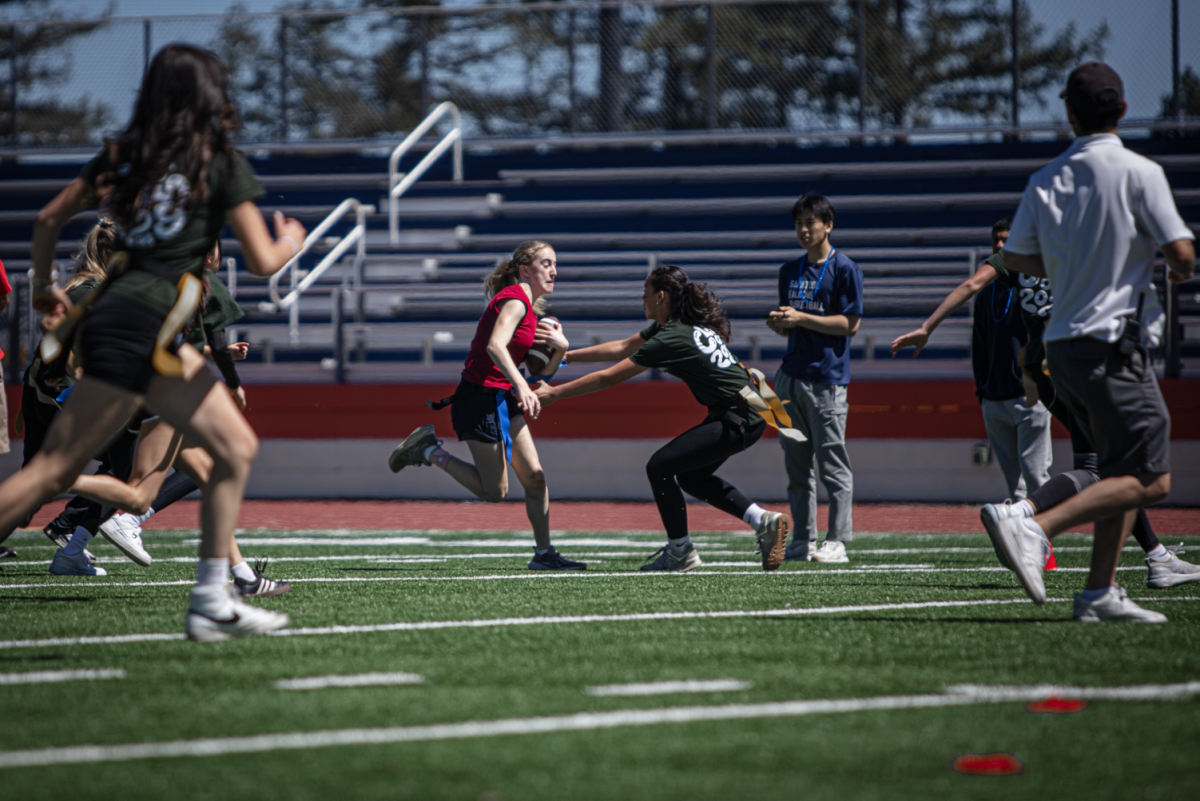
In 2006, Benny Pierce Field, named after the legendary football coach, also received an update — permanent lights for night games and other activities. Before lights were added to the football fields, home games had to be played either during the day or at Los Gatos, which proved to be a challenge for garnering attention for games, as well as scheduling.
However, in April 2006, the school board approved the installation of permanent lights for the football field. The addition increased game attendance and made a huge impact on school spirit.
Aside from the improved facilities, world history teacher Mike Davey, who has worked here for the past 34 years, noticed how school culture and diversity has also evolved over time.
Davey remembers teaching in the era before a block schedule was implemented. Students had seven 47-minute periods a day and large amounts of homework due in many of their classes, which was pegged as a source of stress that could be reduced with a block schedule. Davey, though, liked a schedule that allowed him to see all of his classes more often and he felt he established stronger relationships with each student as a result.
“The school is much more hyper-AP-focused than it used to be,” Davey said. “I don’t think there was as much academic pressure before — I think that was much better for the psyche of the students and their development.”
Although students continue to face incredible pressure in terms of college admissions these days, the school continues to attract families through its abundance of resources and experiences and remains at the heart of the community. Last year, US News and World Report ranked the school fifth in the San Jose area and 25th in the state, with a 96% graduation rate for the 2023-2024 school year as listed by the school’s accountability profile.
“The community has transitioned; we are more diverse than before,” Davey said. “I like that aspect of the school.”

