






For most people, their worst fears are things they can see — whether it be spiders, clowns or deadly heights. But for me, the source of countless tears and stress sessions as I grew up were my eyes themselves.
My battle with bad vision began in second grade when my doctor told me I was nearsighted in both eyes. From then until sixth grade, I never saw the world in its clearest form again.
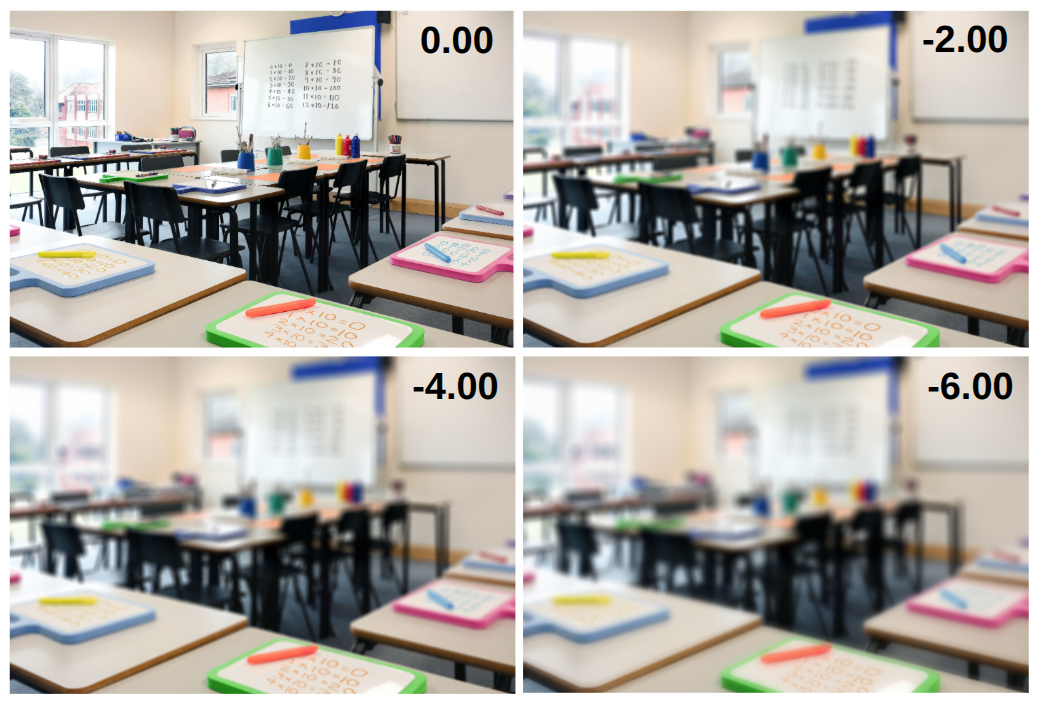
My eyesight worsened rapidly every year, from -1.00 — the negative indicates nearsightedness — in second grade to -2.00 in third grade and -3.00 in fourth grade. Now, my eyes are -5.00 degrees with an additional -1.00 degrees worth of astigmatism — extra sensitivity to light, especially at night.
Each year brought a worse prescription, and with it, a new pair of glasses. My collection grew alongside my worsening vision — my earliest pairs include pink frames in second and third grade and purple ones in fourth.
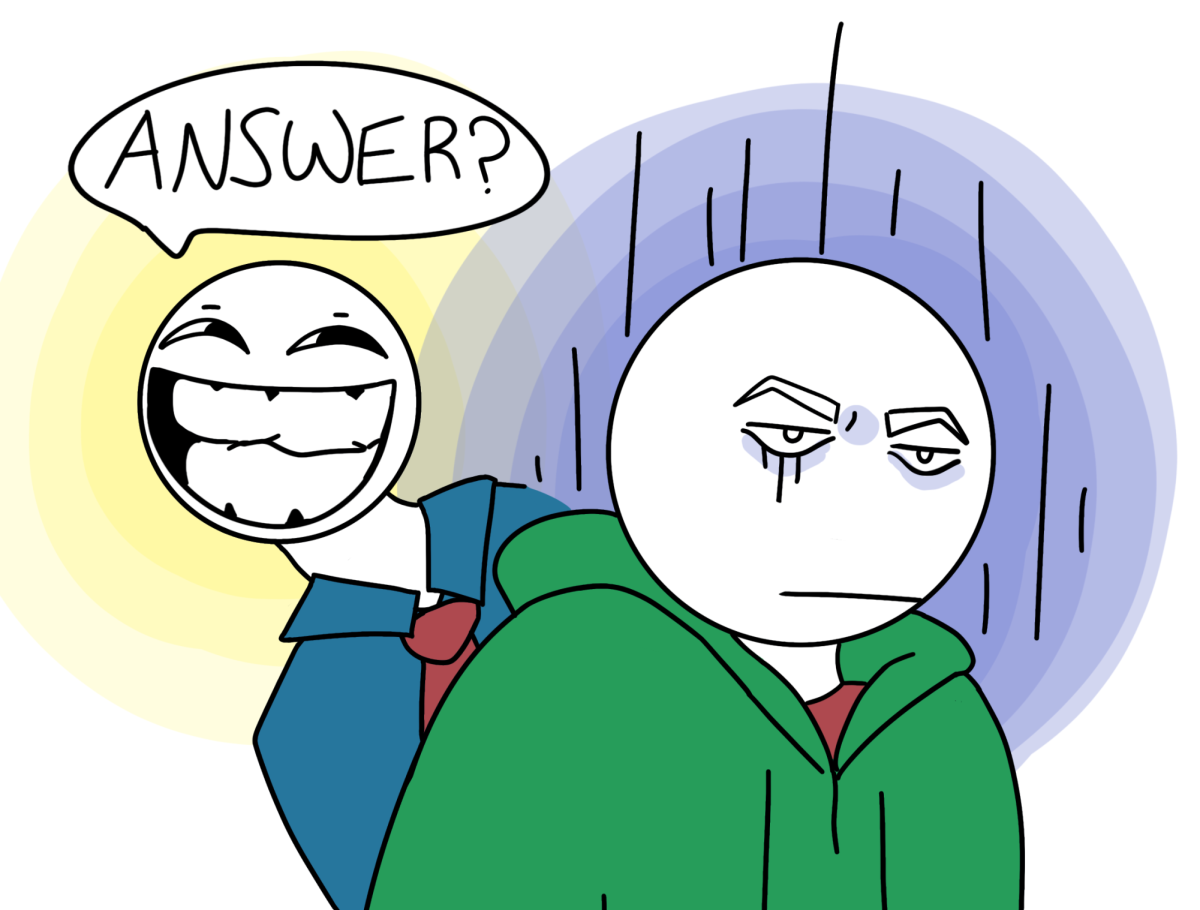
Despite their vibrant designs, glasses were a constant source of anxiety throughout elementary school. Every time I put them on, I felt unbearably self-conscious, like a spotlight had been turned on me. It was as if everyone’s eyes were suddenly glued to my face, scrutinizing my transformation. The moment I could, I’d rip them off, leaving myself to squint at the whiteboard.
To make matters worse, my optometrist informed me that I wasn’t a suitable candidate for Ortho-k lenses — overnight contacts made of rigid plastic — due to my high degree of astigmatism that made the uneven surface of my eyeballs incompatible with the hard lenses. Soft daytime lenses weren’t a good option either; I was an active kid with high-intensity dance training, so my mom and I agreed that glasses were a safer bet.
It wasn’t just the practicalities, though. I had a deep-rooted fear of contact lenses entering my delicate eyes. When I was younger, I vowed to never wear them and the thought of sticking a thin piece of plastic in my eyes was absolutely terrifying.
Unable to find relief in contacts or glasses, I grew to embrace my “hopeless” eyes, and over my elementary years, I adjusted to my limited vision, adapting to a world of blurry shapes and colors.
However, when COVID hit in sixth grade, I became accustomed to wearing glasses every day at home, without anybody to judge me for them. My brown cheetah print from fifth grade became a daily staple in my life. Being so reliant on them cured my fears, and I wore them without shame. Finally, I was getting my money’s worth with this pair, unlike the wasted hundreds of dollars from the pairs I never touched.
That same year, I finally took the leap of faith and switched to a new eye doctor, one recommended by my friends’ parents, who was known to work with tricky and seemingly incompatible eye types. I was still deathly afraid of contacts, but I was getting desperate — the possibility of being dependent on glass forever filled me with anxiety. I explained my situation to the doctor, who told me she had faith that contacts could work on my eyes with a lot of adjustment, experimentation and patience. With that, I began my contact lens journey.
My first steps into Ortho-K
The journey started very, very rough. Before I could wear the actual contacts, I had to undergo a training phase where I practiced wearing trial lenses, which were a looser version of the real lenses. For two weeks, I practiced putting on and removing the lenses, increasing the wear time each day.
This was easily one of the most miserable and stress-inducing two weeks of my life. I sat in a chair for hours, repeatedly failing to insert my lenses as my eyes grew red and sore and my frustration intensified.
The part I dreaded the most was taking them off. Failed attempts commonly sent the lens wandering to a random corner of my eyeball. My life flashed before my eyes and I went into full-blown panic. I thought to myself: One wrong move and they’d get stuck forever. If I somehow survived the day, I’d have to rinse and repeat the risks again.
When I first graduated to real lenses, I was still hyper-aware of the tiny disks in my eyes. Every night, I brought a small mirror to my room and obsessively inspected the position of the lenses. I doused my eyes with an excessive amount of hydrating eye drops, just to be safe.
But through the discomfort, I held onto hope that one day, I’d be able to see clearly.
Two weeks into the real lenses, I finally adjusted. That day, it felt like I woke up in a different reality. My eyes rapidly began redefining the blurry world I was accustomed to for so many years. I had to relearn every perception I had of what I was seeing in the world — colors seemed more vibrant, shapes were sharper. This felt magical in the strangest way. Every day, I felt like a newborn baby discovering something new.
However, everything wasn’t all sunshine and rainbows. My high prescription and inherently unsuitable eye shape continued to bring obstacles.
For one, I struggled greatly with finding the perfect fit. I became a regular at the optometrist (a place that quickly climbed up my list of “most visited places”), returning every month for minor adjustments to the lenses’ size and curvature.
With this came the more troubling side effect of the pain. I’d frequently be forcibly awakened at 3 a.m. with swollen eyes streaming with tears stinging excruciatingly. And every time this happened, I knew another doctor’s visit was heading my way.
While this cycle felt endless, neither my doctor, my mom or I gave up hope. After numerous visits and tweaks, we finally ended up with a lasting pair.
Though I’ve found hard-earned success with contacts, my glasses still remain a huge part of my vision health. Last year, I picked out a new pair and finally retired my fifth-grade cheetah-print pair. Whenever I recklessly fall asleep before wearing contacts (a habit I’m still trying to break), my glasses come to the rescue.
After years of a blurry struggle, I’m relieved to have finally found a peaceful balance between glasses and contacts, ending a long-term battle that’s defined most of my youth. My vision journey has shaped my personal growth — both the way I see the world and also the way I see myself.
