






















In today’s world, almost everything is wireless, instant and optimized. Whether it’s tapping a button to take a picture on your iPhone camera or clicking a “Play” to listen to your favorite piece on Spotify, everything has become more convenient to use.
For the sake of curiosity and aesthetics, I decided recently to rewind to the ‘90s and early aughts and experience older technologies — listening to music with wired earphones and a record player, and capturing moments with digital and Polaroid cameras.
My first step to setting foot into the retro and vintage paradise was browsing through eBay and other second-hand stores for a digital camera — or, in my case, two.
While searching for digital cameras to buy, I was reminded of the small digital camera that I carried around at science camp in fifth grade. I immediately dug through the attic and opened countless storage boxes to find the small Sony T Series DSC-T99 Megapixel DSC Camera, which was missing batteries. It was a sleek point-and-shoot camera from the late ‘90s, small enough to easily slip into my pocket.
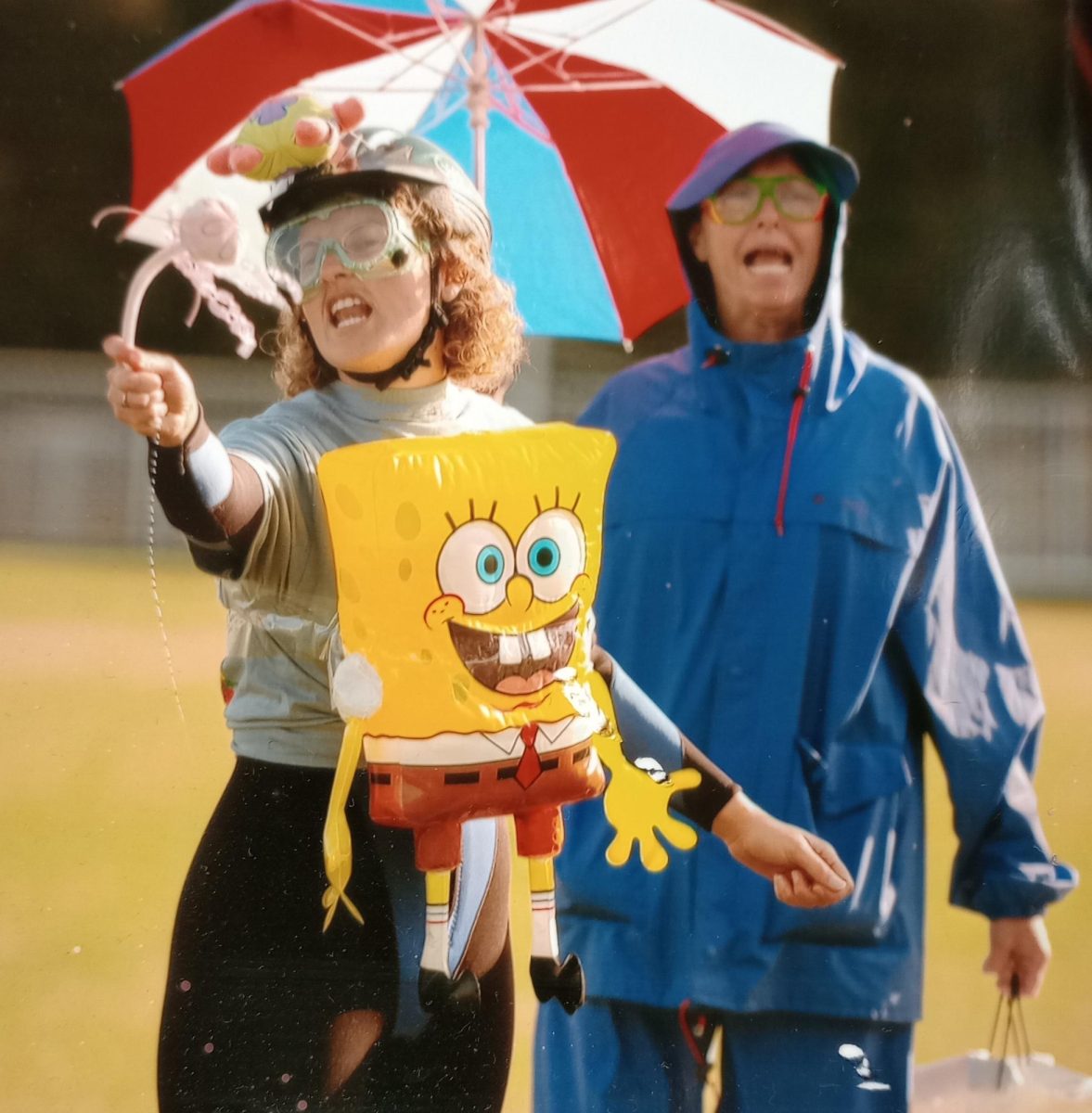
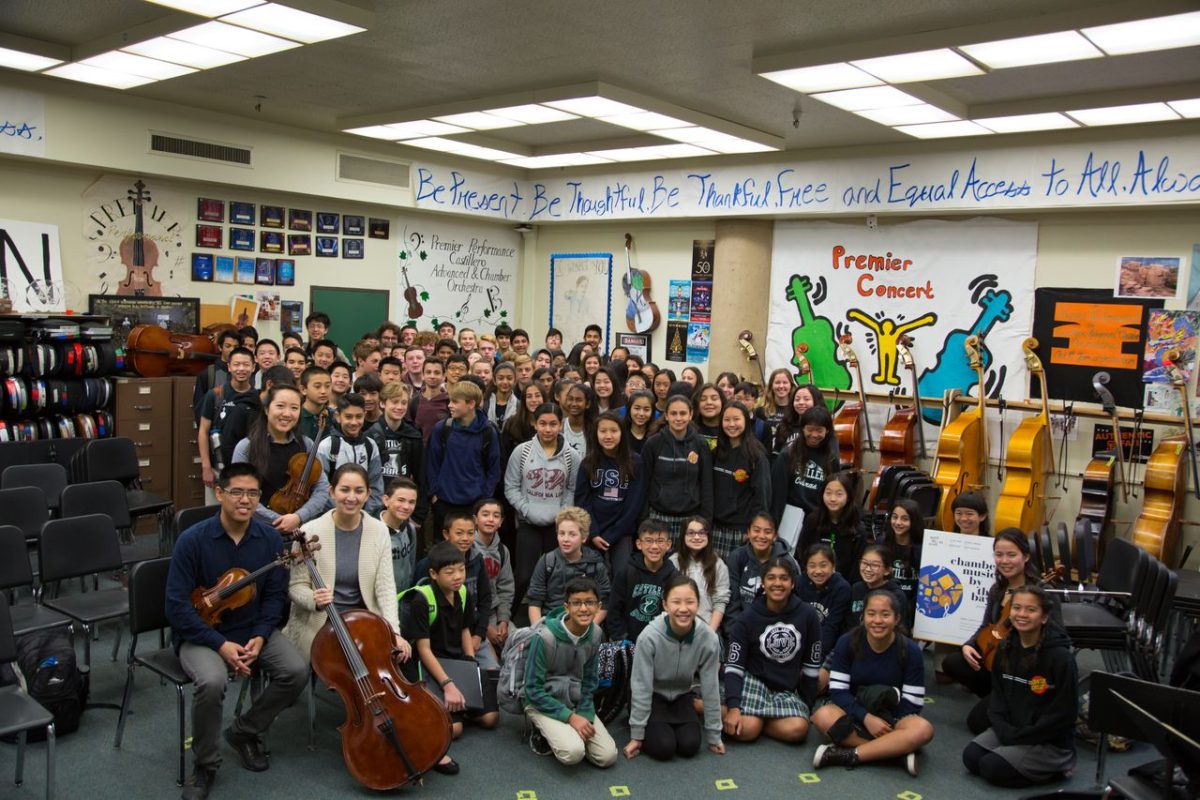
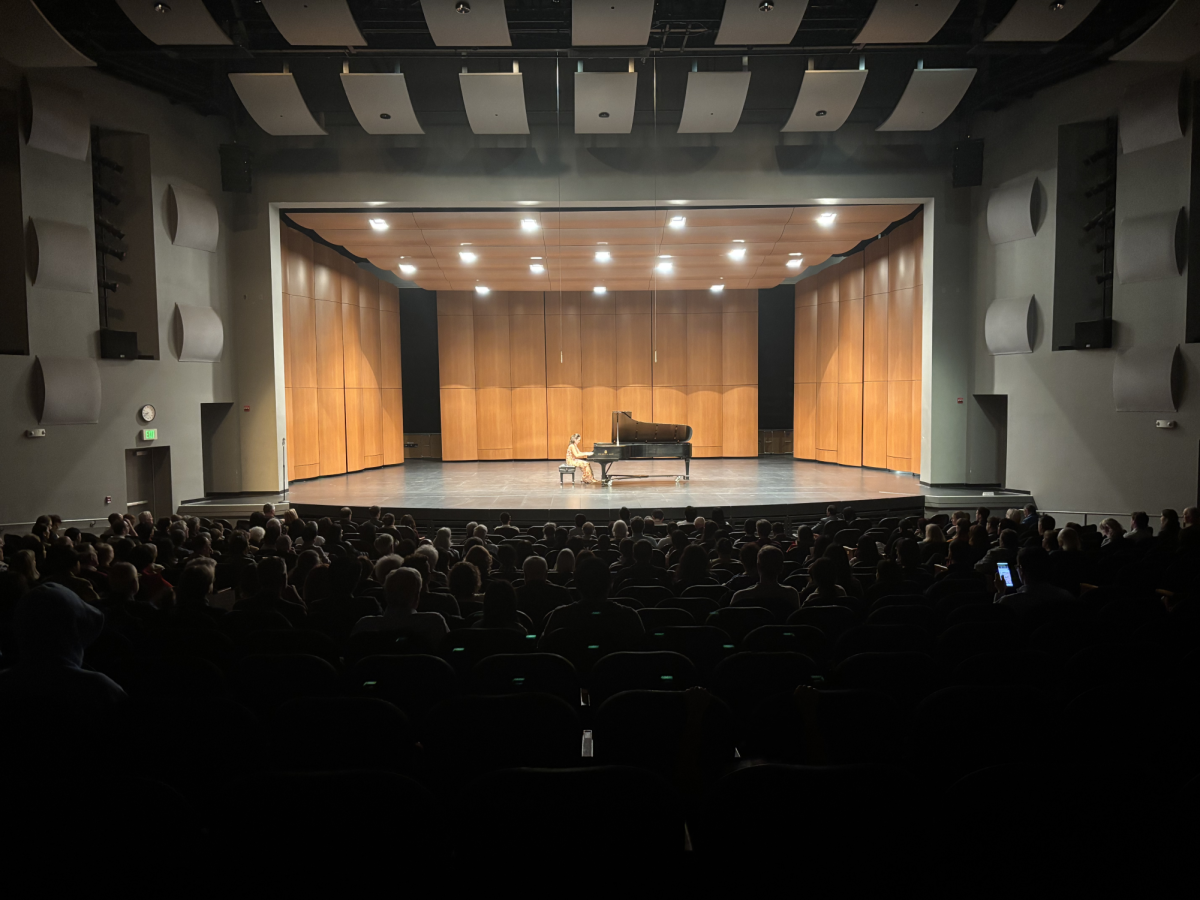
After immersing myself in nostalgia by browsing the photo album, it was time to relive the moment. On Sept. 6, I brought my Sony digital camera to the annual orchestra retreat at Saratoga Springs to recapture similar frames. The results were surprisingly suited to the antique aesthetic vibes that I imagined — retro, grainy yet muted.
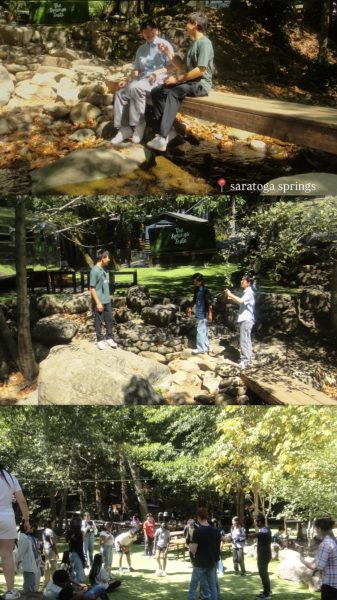
Using the camera was fairly simple — you just center, flash and click. The pictures came out very overexposed and the background was slightly fuzzy, nothing like a traditional iPhone camera. However, that’s the charm of a digital camera — a vintage, “Y2K” aesthetic, almost as if I had traveled back in time to capture a moment decades ago.
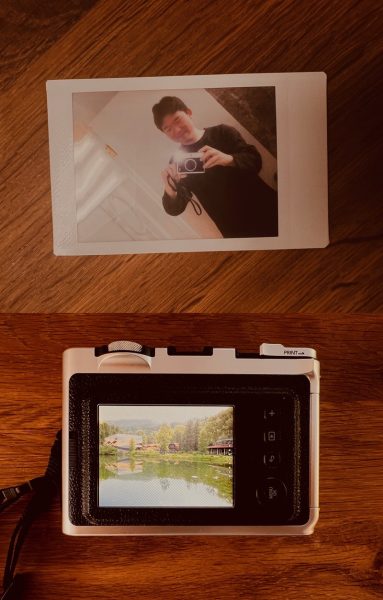
Continuing my search for nostalgic items, I also tried a 2021 Fuji Instax Mini Evo, a modern, instant film camera with a design that mimics the backs of early 20th century cameras. In contrast with the old, worn-out style, its modern camera technology allows for adding filters and effects on the screen. And best of all, the camera prints out polaroids — physical prints of the memories, capturing memories in tangible pictures you can actually hold.
Then, it was time to immerse myself in music players that I listened to back in the day, revisiting the staple soundtracks of my childhood. Trying wired earphones after years of being an AirPods fanatic was a struggle. But I was confronted by a harsh reality: It took countless tries to untangle the cord, and the cord got in my way after writing a sentence of history notes. It would be a lie if I said I didn’t miss my AirPods’ noise-cancelling function. The wired earphones demonstrated how retro and vintage-style items fade away for a reason — they’re just less comfortable to use and often don’t work as well.
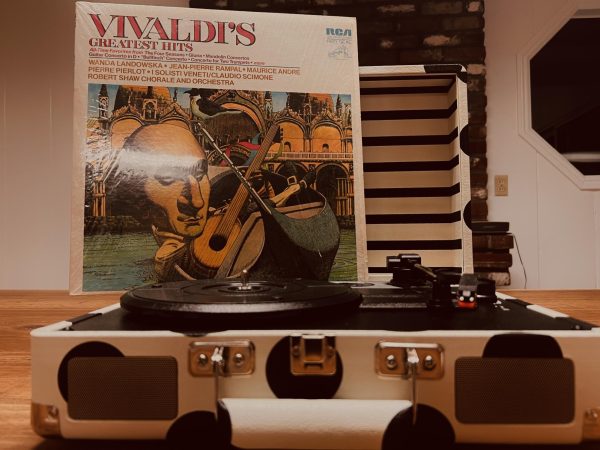
As part of this experiment, I also borrowed a record player and listened to a classical music record. The experience was fresh and worth trying — the act of carefully placing the disk onto the platter and slowly lowering the tone arm into contact with the spinning disk was much more involved than simply clicking a play button on Spotify.
To my surprise, the sound quality was a lot clearer than I expected, providing an organic and warm quality to the Vivaldi track. Listening from start to finish to a piece and continuing to the next track reminded showed why collectors still love vinyl
So what did I learn from my deep dive into the ‘90s and early aughts? Convenience and simplicity aren’t the only things that matter in life. Rather, it’s the flaws and imperfections from, say, grainy-looking photos that can make the results more personal. Embracing these outdated tools brought me the realization that technology has a way of also creating the kinds of experiences we have and some of the older technologies create some pretty special memories.