



















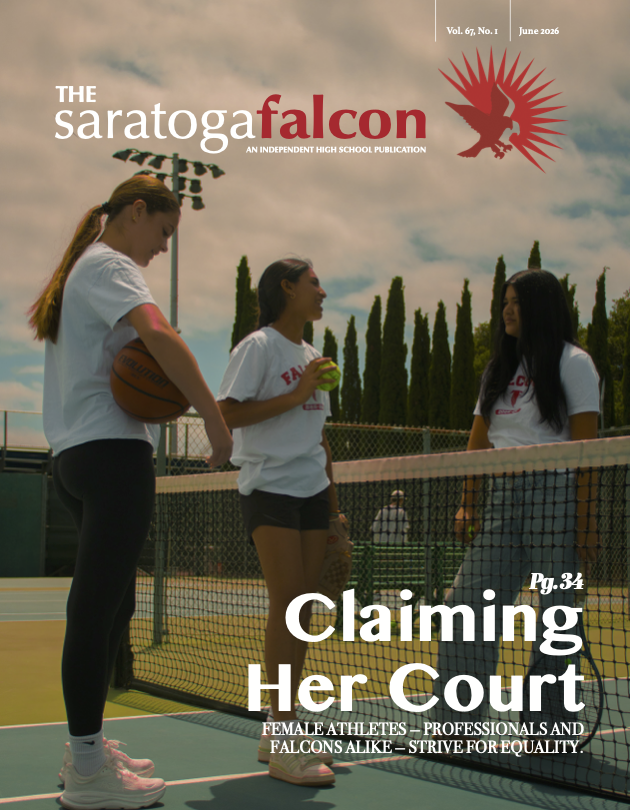





This year, 249 girls participated in school sports — more than 100 fewer than the 359 boys who participated.
These numbers play out across various teams, such as with the track and field, which has 25 girls competing this spring as compared to 58 boys.
According to athletic director Rick Ellis, there has been a downward trend in female sports enrollment and a consistent lack of girls JV teams in sports such as water polo, soccer, field hockey and softball for the past few years.
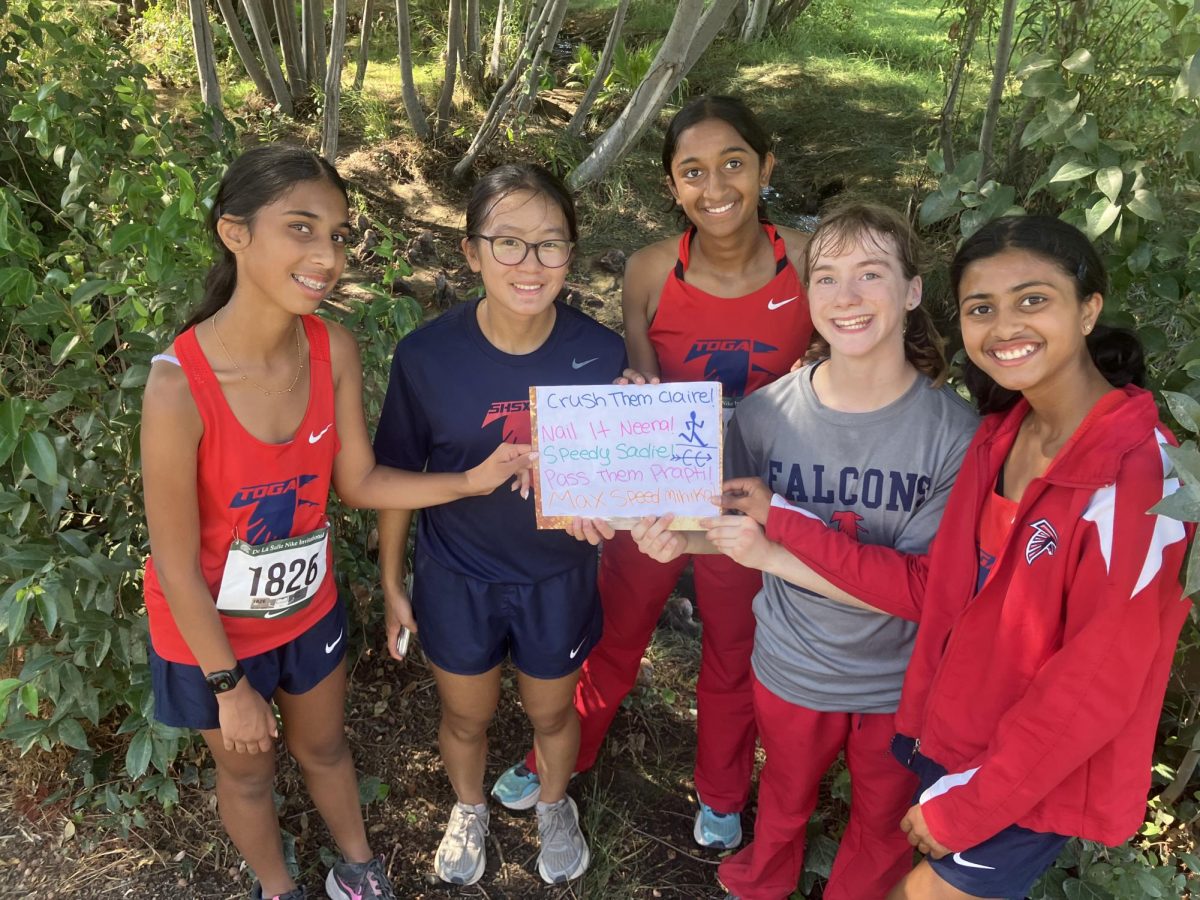
In 2022, girls’ cross country had a whopping 50 members while the boys had only 15 that year. This past fall, only nine girls were on the team. By contrast, boys’ cross country had grown to 28.
Such trends can be attributed to a coaching change in the 2023 season as well as policy changes, Ellis said.
Cross country was once regarded as low-effort and mainly taken for P.E. credits, according to Ellis. When boys’ cross country coach Ian Tippetts stepped up to train the girls team from former coach Danny Moon, though, Tippetts’ increased intensity in training by implementing longer runs. This marked uptick in intensity likely caused many female athletes to quit the sport, Ellis said.
“We had a coach who was a great guy and had no boundaries on attendance or commitment or anything like that,” Ellis said. “He left and we had another couple of coaches that definitely drove some of the numbers away, boys and girls, who were running cross country back then for P.E. credit and it was easy. Once there was more of a (high) commitment level, numbers dropped off.”
The policy change affecting all sports was that starting in 2024, all freshmen have been required by a district mandate to take Beginner P.E. regardless of their plans to participate in a seasonal sport. Previously, seasonal sport athletes were exempt from the Beginner P.E. class while it was in season.
Yet, even for sports with consistent training intensity throughout the years, such as lacrosse, female participation has still continued to drop. The girls’ lacrosse team had 29 players in 2021, but this year, lacrosse, a spring sport, had just 16 varsity players with no JV team. Other girls’ sports without JV teams this past year included water polo, soccer, field hockey and softball.
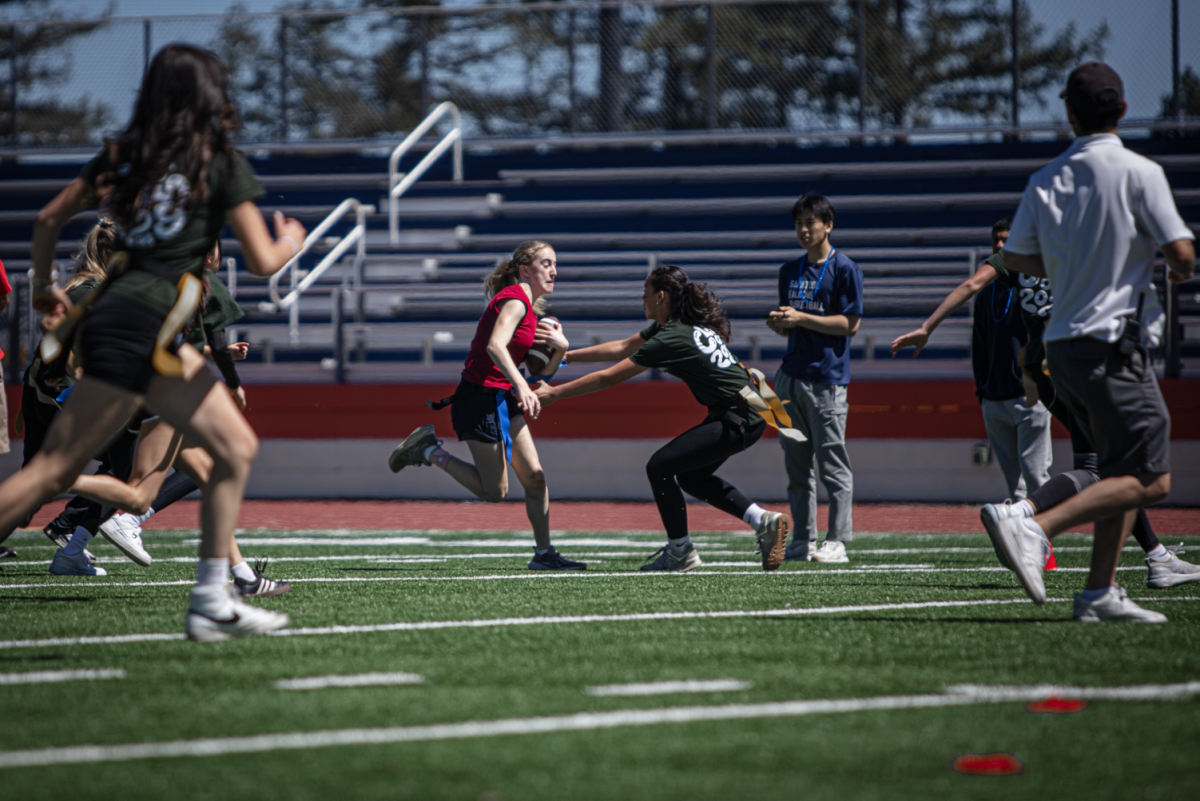
However, with the implementation of a new girls’ flag football team in the fall, Ellis is hopeful that the female sports participation trend at the school may be reversing.
“Boys participate in sports at a higher rate than girls,” he said. “Statistically, they don’t participate to the [same] level [as boys], but I think that’s changing.”
Along with a decline in girls’ participation, overall sports enrollment numbers have also been falling in recent years, with the number of total athletes this year being roughly 16% less than the enrollment during SHS’s peak in the 2022-2023. Ellis attributes the school’s low enrollment to historically low sports involvement, stemming from the high academic rigor of the school.
“Where we see the biggest drop off is junior and senior year. Boys and girls don’t come out for sports junior year because it’s too hard academically, which is a very unique thing to Saratoga,” Ellis said.
Additionally, SHS’s overall dropping student population may influence sports participation at school. Over a decade ago, SHS’s student enrollment was around 1,400 — and it has now fallen to around 1,100 students. The significant decrease in the student population likely contributes to lower sports involvement and declining team numbers, which is especially noticeable at the JV level.
How individual athletes see the challenges
Sophomore varsity girls’ cross country runner Sadie McBeth, one of the fastest runners on the team this past year, attributes the school’s low female participation in sports to students prioritizing grades over athletics.
“Saratoga High’s culture has an emphasis on more academic aspects, like music and the sciences, and less on sports,” McBeth said. “Some girls might feel like they have a pressure to focus on their school subjects over sports.”
At cross country meets, McBeth noticed that other school teams have a greater number of female athletes; however, McBeth remains optimistic, noting that a smaller community of female athletes fosters closer relationships between girls.
Nevertheless, she admits that having a larger team would contribute to a stronger and more enjoyable team environment that would potentially prevent athletes from quitting due to their involvement in a team.
Although McBeth also feels academic pressure at SHS, she does not let it hinder her ability to join sports teams.
“I recognize that it’s very important — as a part of my personal growth and academic growth as well — to keep sports in my life because it teaches me how to prioritize and be efficient,” McBeth said.

