





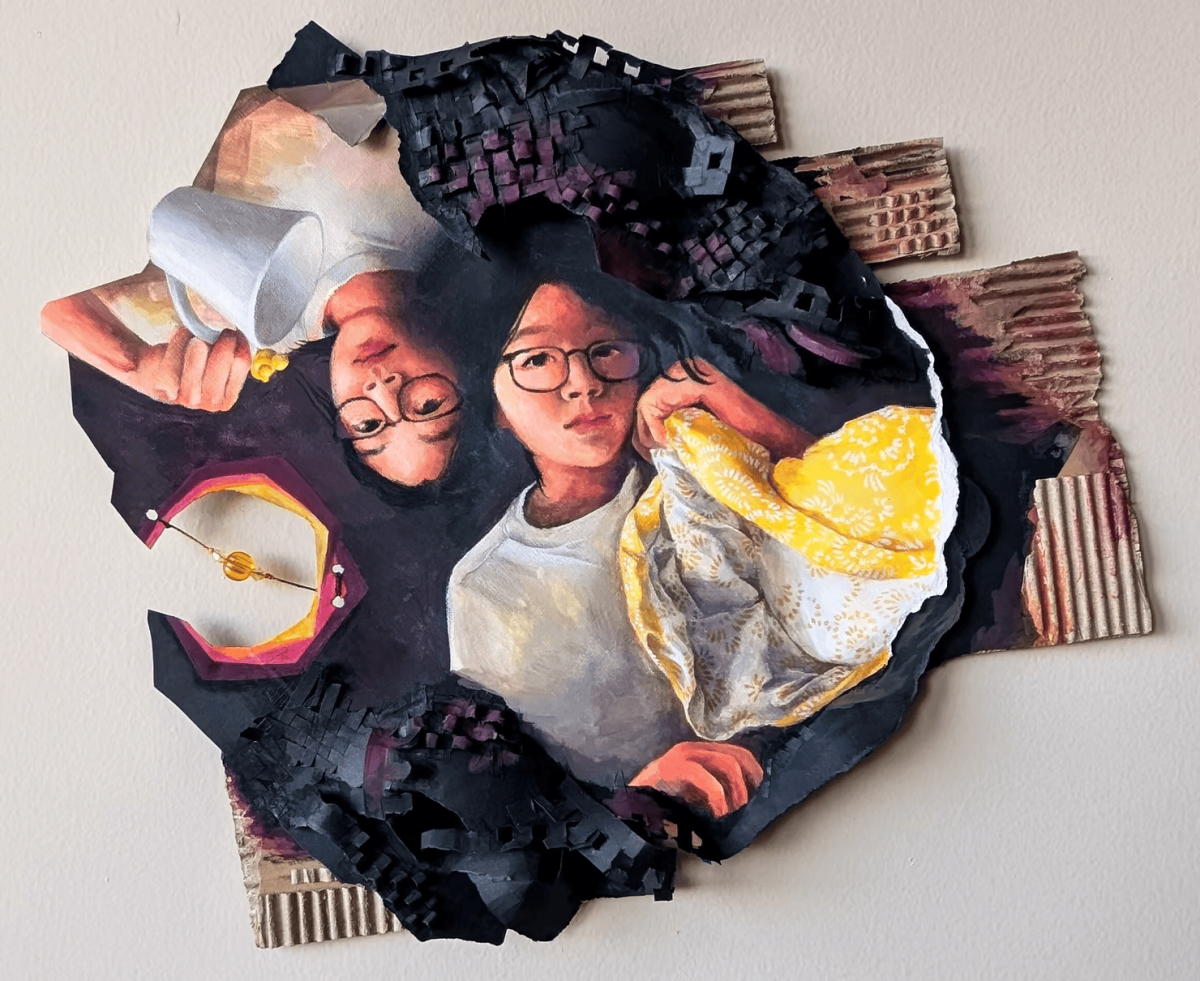
Soundings, the school’s 29-member student-run literary and arts magazine, hosted its final art exhibition of the year on April 17, showing off a wide variety of art and literature.
Also this spring, the staff, which is advised by English teacher Amy Keys, has been working on its spring edition. The magazine extended its original submission deadline by one week to March 8 — a common practice that, according to the editors-in-chief, draws a surge of last-minute contributors.
“A good extra third to half more submissions come in during the extension period,” said senior Nicole Hao, one of Soundings’ three editors-in-chief, along with seniors Jane Lee and Ruiyan Zhu. “Most people submit in the last couple of days anyway. That’s when it’s kind of crucial.”
This spring’s issue is organized around the theme “A Second Look,” designed to encourage submissions to explore a renewed second perspective on a subject.
“The theme is very broad,” Hao said. “It’s always something where you can find a connection to it.”
By the week the submissions were initially planned to close, the Soundings team had received only six writing and three art pieces, with an additional six writing and seven art works arriving during the 1-week extension window.
Step 1: distributing and reviewing submissions
Once the submission window closes, the editors-in-chief assign each piece to a staff member for individual review. Submission editors are divided by medium — some review writing while others focus on art. Every submission receives written feedback and compliments, regardless of whether it is ultimately accepted.
For art pieces, submissions have a two-part review process.
“We start with solidifying what kind of theme [the art pieces] have,” senior submissions editor Celina Ren said. “Because that’s what their initial statement is about. Then, we give a few critiques and a few compliments on the composition, the lighting and the techniques.”
For writing, submission editors go directly into the contributor’s online documents and leave suggestions on how to improve their work. These comments can be about writing style, grammar or praises on their hardwork. Contributors get the chance to revise their accepted works before they are officially published.
Step 2: voting
After all pieces have been individually reviewed, the entire Soundings staff gathers in person to vote on what gets accepted. Before the meeting, staff are expected to have already read or viewed submissions so voting goes smoothly.
During the vote, each piece is displayed on a slideshow, and every member casts an anonymous ballot: yes, no or abstain.
“We like to keep it democratic,” Hao said. “If a vote is too close to call, the editors-in-chief make the final decision. Notably, pieces submitted by editors-in-chief and staff members go through the same process.”
Step 3: editing
Every piece that receives a final yes vote moves into the editing stage. For writing, this means a more thorough editorial process. For art, contributors receive a written critique. The editing window typically runs for four to six weeks, with a hard deadline on March 29 to leave enough time for layouts and printing.
Step 4: online and in-print publication
All accepted work is published on the Soundings website. A curated selection of those pieces also appears in the physical print issue. The print selection is made based on how well pieces align with the spring theme and how they fit into the magazine’s page layout — a decision that is handled by layout editors.
“After deciding what pieces are going to go to the issue, they decide what’s going to be the cover and what are the big pieces that will take up the pages,” Ren said. “That’s really up to them to decide.”
The art exhibition
Separate from the publication, Soundings has also hosted an annual art exhibition in recent years as a fundraiser.
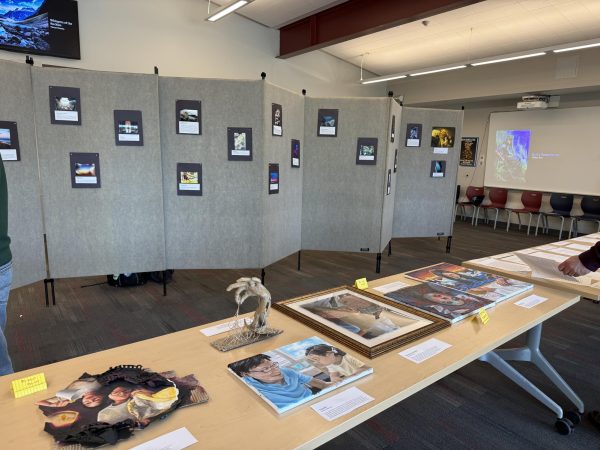
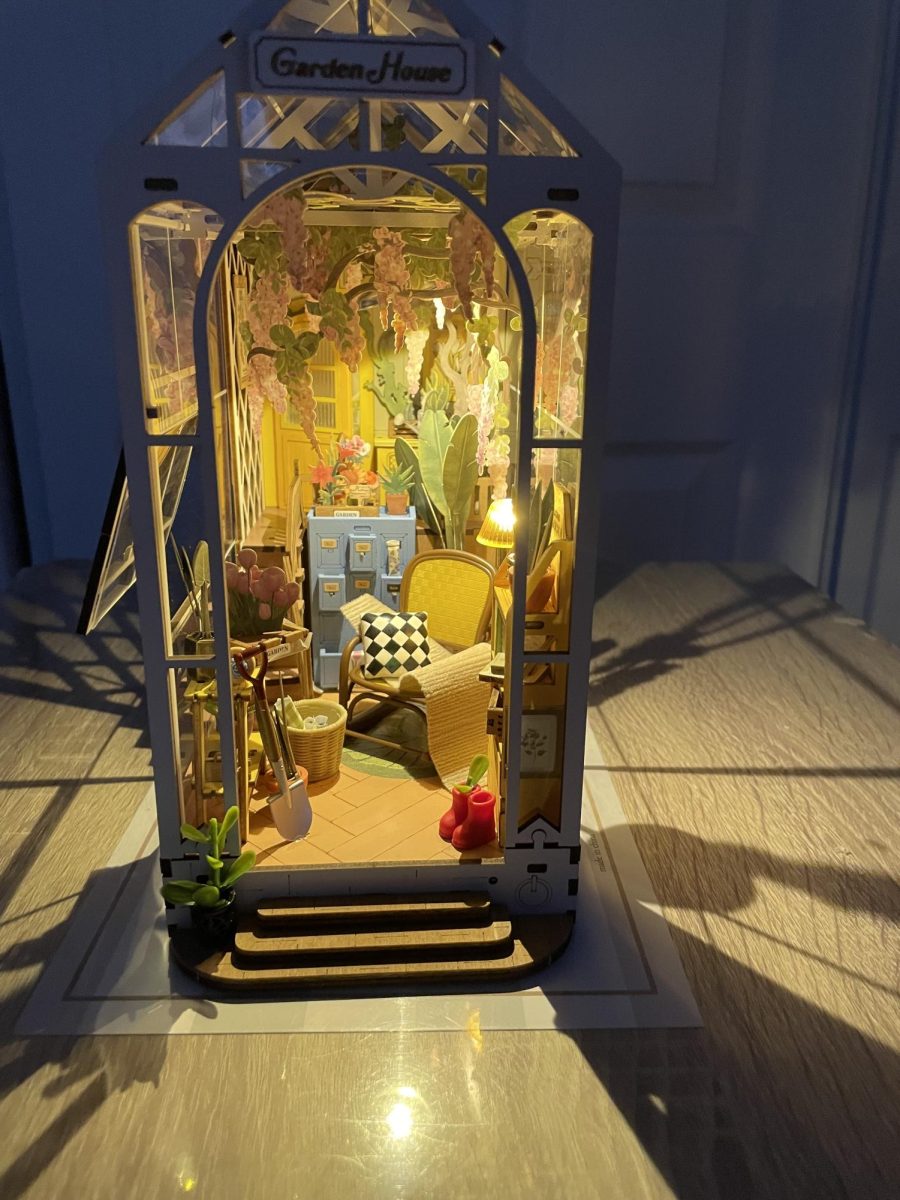
The exhibition is always free for artists whose work was accepted during either the winter or the spring submission period and open to all. Contributors with physical pieces display them in person, and those without original pieces can have their work printed for display at an artist’s table.
To encourage participation, some English teachers regularly make attendance worth supplemental points, which drew a large crowd this year. Aside from students, teachers and other staff members came to see the student artworks.
Following the art exhibition, several pieces will be left up for temporary display in the teacher’s lounge, an idea started this year by assistant principal Matthew Torrens.
The exhibition goes through its very own voting process as well, mirroring the one used for the magazine.
Hao, who joined Soundings as an outreach member in her junior year before becoming editor-in-chief, described volunteering to set up and coordinate the exhibition as one of the things that helped her stand out.
“Just being part of Soundings and doing what we could to help market, set up and do all the extra stuff,” she said, was how she and her co-editors made their mark before taking on leadership roles.
For students interested in submitting to next year’s issues, Soundings runs two submission periods per year — in the winter, which is an online-only issue, and in the spring, the print magazine. While the winter period has no theme, the spring period always carries one. The magazine advertises deadlines on Instagram and through its website.
At the beginning of the school year, applications for those interested in becoming Soundings staff are opened.
Ren, who joined as a sophomore after a family connection introduced her to the publication, said that the time commitment as a staff member varies depending on the season.
“It becomes a bigger commitment when the submissions are close,” Ren said. “But honestly, I think it’s a really fun thing to get into if you like art, writing and journalism.”

