





















Courtesy of Zara Larsson
Zara Larsson is reaching mainstream success after rebranding her aesthetic to a “Seaside Siren.”Picture this: You’re walking down the hallway to your third-period class, your headphones blasting a Spotify playlist on shuffle. All of a sudden, a familiar song starts playing, and soon you find yourself nodding along to the catchy beat, humming under your breath. Turns out, it’s “Lush Life” by Zara Larsson, a decade-old song that’s only just now becoming a hit. Why is a song written in 2015 only now making the charts?
The short answer: branding.
Breaking into the music industry is no easy task, no matter how talented the singer or songwriter. Though many believe that talent is the deciding factor of music fame, it often results equally or more from successful branding — what artists are known for and what makes them memorable.
In fact, almost all artists have PR teams, who manage their public persona. Branding is one of the biggest tools they utilize to shape the image of their client to the public.
Before Larsson, a 28-year-old from Sweden, started garnering international attention, she was indistinguishable from other aspiring but low-profile pop artists. But when she and her team shifted from being seen as a generic pop star to a Y2K-inspired “Seaside Siren” in 2024, her music almost instantly topped the charts with “Lush Life,” reaching top 5 status in almost 17 countries. Her songs have always been good sonically; they just needed visuals that matched her vibrant, infectious music.
At the end of the day, a successful pop star is a persona sold to the public. The A-listers seen in magazines or on TV don’t represent the individuals’ true characters, but instead follow a preset “brand.”
Pop stars are one of the best ways to see branding in real life over a period of time. In the world of pop music, staying the same is the quickest way to fade into the background. That is why many artists will try to rebrand every time they drop a new album.
A new era for each new album
Taylor Swift is one of the best examples of rebranding with nearly every album release. Her monumental “Eras Tour” from 2023 to 2024 was a literal representation of how she rebranded with each “era” in the albums she released.
From the glittery gold of “Fearless,” to the edgy black of “Reputation” and the mellow greige of “The Tortured Poets Department,” every release has a completely different aesthetic and sound.
One of her biggest transformations occurred when Swift shifted from being a young country star to a mainstream pop singer. To back her new image, she swapped her long curls for a sleek bob.
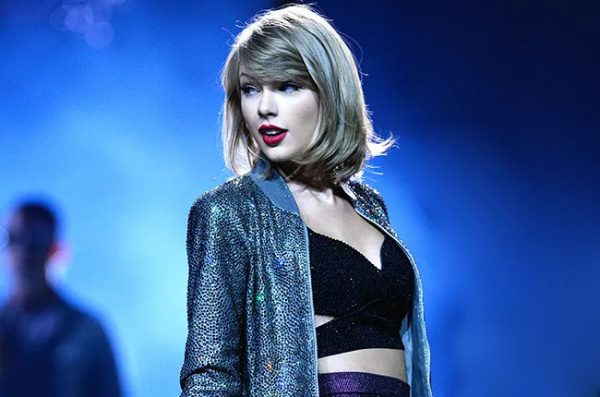
While Swift might be the most notable example of album rebranding, it’s something that almost every artist and their team does today. It allows them to change their visuals and sound, ensuring their audience won’t grow bored of them.
Rebranding an artist’s image
When an artist has been in the industry for some time without experiencing any real fame or mainstream success, a new branding campaign can change the tide of public opinion.
This was the case with Sabrina Carpenter, 26. She was known as a Disney star early in her career for her role in “Girl Meets World,” but for the first six years of her musical career, she was far from a global pop star. It wasn’t until she rebranded herself as the mature, hyper-feminine and confident pop star that she reached mainstream success.
“Emails I Can’t Send,” her last album in 2022 before her breakthrough, reached No. 21 on the Billboard 200 at its peak. “Short n’ Sweet,” however, debuted at No. 1 in 2024.
If good branding saved her career, why didn’t Carpenter rebrand her image earlier? Bad branding is sometimes due to labels not giving an artist control over their image. So when their contracts are over, artists who regain control over their image might start gaining traction and reaching mainstream success by branding in a way that compliments who they already are as an artist.
Carpenter was under contracts with Disney for “Girl Meets World” from 2014-17, which made sure her music and persona reflected the “girl-next-door” image Disney wanted to convey.
After “Girl Meets World,” Carpenter signed a five-album contract with Disney’s Hollywood Records. During this period, her music never reached mainstream success. Her branding was centered around being wholesome and approachable, which didn’t appeal to many teens, who preferred to see a more matured and bold persona in their favorite artists.
When the contract ended, Carpenter signed with Island Records. This gave her a more creative direction over her image and music, since her new label allowed her to explore her music style more freely. Her sixth album, “Short n’ Sweet,” catapulted her to A-lister success as a pop star.
By changing her visuals and music to align with her hyper femininity and tongue-in-cheek humor, Carpenter was finally allowed to have her branding match her identity as an artist.
From making music in her bedroom to the billboards
A third popular kind of branding centers around pop stars who have already had their share of fame, but want to change their image.
22-year-old Tate McRae, one of the biggest new stars in the world of pop music, had been in the entertainment industry since 2013. She grew up dancing in many major competitions such as “So You Think You Can Dance” and even danced on stage at Justin Bieber’s Calgary show.
She eventually started releasing songs that she wrote and recorded from her bedroom on her YouTube channel. These initial songs included “One Day” and “Strangers,” which, when compared to her upbeat, confident, hit singles today, sound like they were written and produced by a young teen finding her sound and not the bold pop star she is today.
These songs had been getting some traction on social media, but she had yet to become a household name. With her old image, McRae was seen as more of a dancer than a singer.
Her rebranding began with creating a new aesthetic of bedazzled jerseys and glamorous sportswear. Her hit 2023 single “Greedy,” which matched this aesthetic, immediately took off. With a new, unique style, McRae went from being a TikTok singer to a Grammy-nominated artist with a tour grossing around $110 million.
The first impression of an artist, even before their music is heard, is received through their visuals and image, which is why branding is such an important aspect of the music business. At the end of the day, a pop star — and everything that surrounds them — is simply an attempt to sell audiences their persona.
These pop stars’ careers prove that it doesn’t simply take talent to become a household name. Good branding and a strong identity as an artist can transform a musician from being just another singer to a global superstar.