






















Courtesy of Treasure Orbit
Celsius has seen a 6,000% increase in its stock price in the last five years.As the first bell rings, weary students cross the quad and trudge into class.
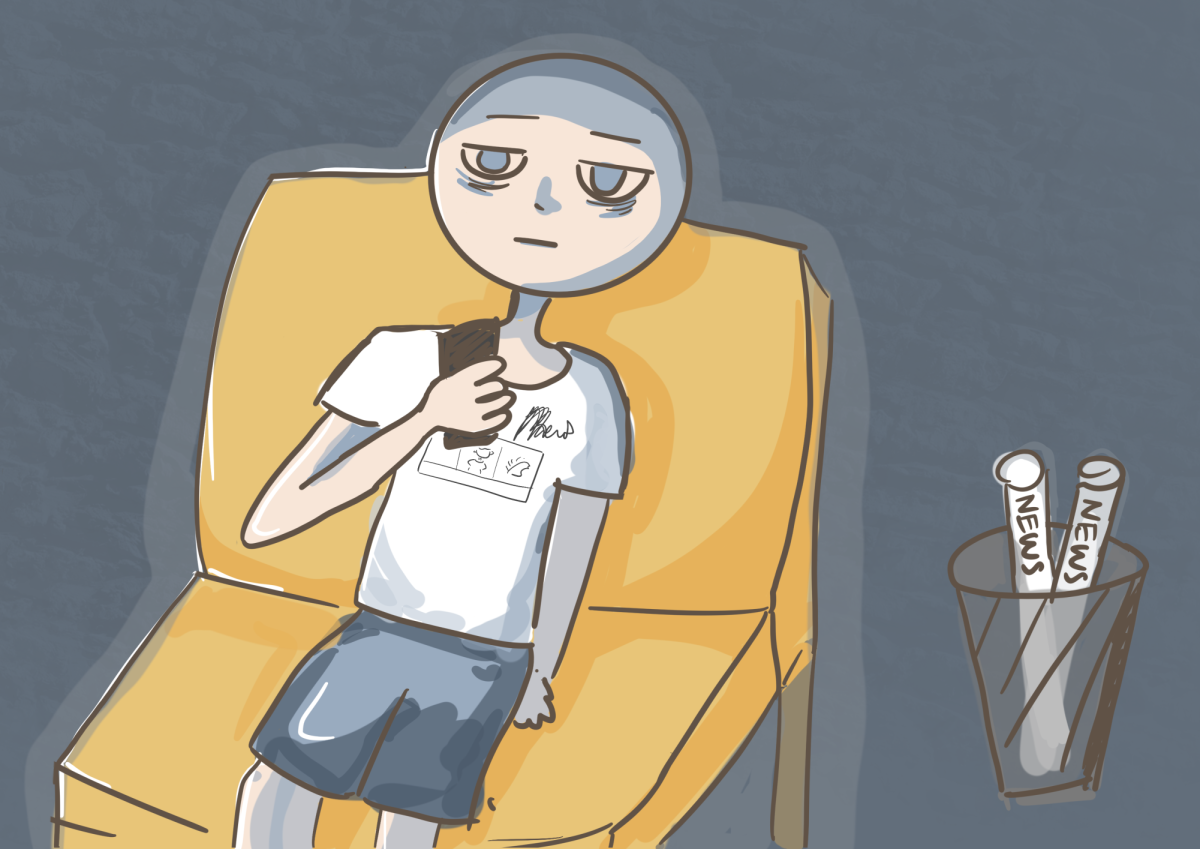
Many clutch an energy drink like a lifeline in their unsteady hands. The looks on their faces say it all: They are exhausted and depleted, focused on only getting through the day.
Though the specifics driving each student’s addiction might be different, the root cause is the same: Large numbers of teens rely on caffeine-heavy energy drinks to boost their waning energy and help them push through the day.
Sophomore Edwin Wu started drinking Celsius in the middle of the fall semester to help him handle his busy schedule of marching band, homework from his classes and other extracurriculars — all of which meant he wasn’t getting enough sleep.
“I drink Celsius not because I love to drink it, but mainly to survive in the most boring and hard classes,” Wu said.
Sophomore Olivia Shi said she at times has drunk Rockstar and Monster energy drinks daily. She started in freshman year around AP testing season, when she felt she needed the extra boost of energy. While she says that she does not feel any effects after drinking the energy drink anymore, she notes that it has become a habit.
The overconsumption of caffeine is a national trend
In 2023, the American energy drink industry had sales reaching over $21 billion, growing by nearly 10% from the previous year in chain retail stores.
In fact, Monster Beverage, founded in 1935, has been arguably the best “under-the-radar home run investment” since its initial public offering in 1995. Over the past 30 years, Monster has generated a total return of 817,940%, making it by far the best-performing S&P 500 stock. Celsius has seen a 6,000% increase in its stock price in the last five years and Redbull earned almost $2 billion in the U.S. alone in 2022. Other rising drink brands include Rockstar, Bang, Alani Nu, G Fuel and Cocaine.
This financial success is no surprise, as many energy drink companies are strategically marketing their products to younger consumers — especially Gen Z. Current data reveals that of those who drink one energy drink every day, 64% are from Gen Z, while only 20% are older than 35.
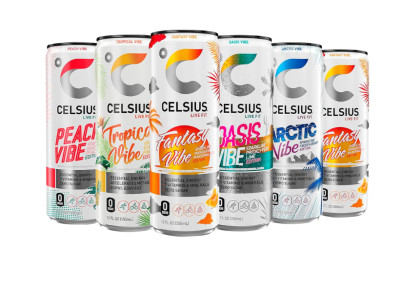
Celsius, in particular, is a striking example of these trends. In 2012, Celsius used jewel-toned cans to advertise its weight loss benefits. The product performed so poorly that they were removed from major retail stores like Nasdaq and Costco. But in the mid 2010s, Celsius underwent a major rebrand.
As society grew more health-conscious, its can designs were simplified, and the drink was rebranded as a premium, functional, fitness-lifestyle brand for health-conscious consumers. Featuring flavors like Peach Vibe and Galaxy Vibe, Celsius focused on creating fruitier, lighter flavors, breaking away from the stereotype of medicinal flavors traditionally used in energy drinks.
Celsius claims that its drinks stand out against other brands because its products are made with healthier ingredients, such as ginger, guarana, green tea and seven essential vitamins. Additionally, the drinks contain no sugar, aspartame, artificial colors or flavors and high fructose corn syrup. Its MetaPlus blend, backed by numerous studies, is formulated to turn on thermogenesis, a process that boosts the body’s metabolism and burns more calories and body fat.
Celsius has built its brand by frequently sponsoring high-profile athletes, including women’s basketball star Azzi Fudd from the University of Connecticut, and NFL players like Travis Hunter and Dillon Gabriel. Celsius also sponsors music festivals and motorsport teams, such as the Palm Tree Music Festival, relying on brand representatives or ambassadors to promote the drink through Celsius swag and sampling, focusing on appealing to both genders.
Through these successful marketing strategies, the harms of caffeine are masked, as energy drinks are seen by consumers as a healthy option. These methods promote the growth of energy drink consumption, furthering the caffeine-dependency in Gen Zs.
Health concerns regarding caffeine intake
Each Celsius contains over 200 milligrams of caffeine per can, which is around double the amount in a cup of coffee. Another energy drink, Bang, contains 300 milligrams of caffeine in a 16-ounce can, which is equivalent to around 3 to 4 cups of brewed coffee based on standard 8-ounce cups containing around 80 to 100 mg of caffeine.
Sophomore Fiona Liu said she primarily drinks coffee, tea and matcha, building a routine for drinking coffee in the morning and tea in the afternoon. She recalls starting this habit in seventh grade.
“I started drinking coffee occasionally when I didn’t get enough sleep,” Liu said. “Then, in freshman year, I started drinking coffee every morning to give me motivation to wake up and make a fun drink. I usually drink tea in the afternoon or after school to stay awake while doing homework.”
Experts from the Cleveland Clinic have warned that overly caffeinated drinks — whether energy drinks or other caffeinated drinks such as coffee — may be dangerous, as caffeine overdose is a real medical emergency.
Drinking two to three energy drinks a day — a trend that is becoming more popular especially among teenagers — is extremely damaging to their health. Some consume over 500 milligrams of caffeine daily. While the FDA considers up to 400 milligrams of caffeine safe for most healthy adults, teenagers should limit intake to 100 milligrams or less per day.
Caffeine, a diuretic, can contribute to dehydration, elevated blood pressure and convulsions, even resulting in some addicts being hospitalized. Specifically — due to elevated blood pressure and abnormal electrical activity in the heart for hours afterward — the risk of serious, possibly life-threatening arrhythmias is significantly increased. Heavy energy drink consumption, combined with physical exertion — a primary incentive to drink energy drinks — has also been linked to cardiac arrest.
The downsides of the abundantly available stimulant
Even in modest amounts, caffeine is a stimulant that can cause fast or irregular heartbeat, anxiety, nausea and sleep problems. After the initial effects wear off, it can cause headaches and leave people feeling tired and irritable.
With moderate amounts of caffeine, pediatrician Angela Chang, who works at Kaiser Milpitas, said caffeine can help boost alertness, mental energy and ability to concentrate, with some studies even showing a possible lower risk of Parkinson’s disease, diabetes, Alzheimer’s disease and liver cirrhosis.
However, long-term consumption can result in needing higher doses of caffeine to achieve the desired effect and withdrawal symptoms, such as headaches, mood changes, trouble concentrating and feeling tired and irritable when caffeine intake is stopped. This is especially dangerous, as approximately 13% of individuals with caffeine withdrawal experience clinically significant distress or functional impairment.
Students like Liu admit to feeling withdrawal symptoms without their daily dose of caffeine, including feeling tired or demotivated and having headaches. Chang said the amount of daily caffeine that is considered safe for children is still unknown, and high levels of caffeine consumption have been associated with serious consequences such as seizures, cardiac dysrhythmias, kidney failure, psychotic conditions and sudden death.
Chang believes that most energy drinks — Celsius in particular — are not healthy.
“Celsius may have fewer calories and sugar than other energy drinks, but energy drinks are, in general, not healthy,” Chang said. “Energy drinks are particularly dangerous since they can contain very large amounts of caffeine and other stimulants.”
She said that people may fail to realize that energy drinks are not FDA-regulated since they are dietary supplements. In addition, there are no requirements for safety testing, warning labels or restrictions against sales or consumption by minors.
She is especially worried about the increased consumption of caffeine in children and teenagers, as she believes that they may not know the consequences of what they are drinking.
“As a pediatrician and a mother, I think children and teenagers may not be aware of all the potentially dangerous consequences of caffeine,” Chang said. “Teenagers may also not be aware of all the potential sources of caffeine that are in everyday food and drinks. They are not only in soda, coffee drinks and energy drinks, but also boba drinks, decaf drinks, chocolate, ice cream and protein or energy bars.”
Trying to kick the caffeine habit
Some teenagers, however, are beginning to fight the risk of excessive caffeine intake by actively trying to reduce their dependence.
Shi has resolved this year to stop consuming as much caffeine — swapping her typical Monster Energy Drink with 160 milligrams of caffeine per 16 fluid ounces for the drastically less-caffinated Numi Green Tea with 15 to 70 milligrams of caffeine per six to eight ounces of tea.
Wu is focusing on limiting his caffeine intake to crucial moments — only drinking it prior to taking an important test, limiting himself to one can per day.
A month ago, he realized that he had started treating Celsius as a replacement for sleep, even though he knew it was unhealthy.
“For me, I feel like I’ll be too reliant on the fact that I don’t have to sleep as much because even if I don’t, I can still stay awake from drinking caffeine,” Wu said. “And that, mentally, is a bad thing.”
As a result, he has been focusing on further restricting his Celsius intake and concentrating on sleeping seven to eight hours each night.
But some teenagers find it too hard to stop completely.
Liu claims that she probably cannot stop her caffeine intake, so she plans to continue drinking coffee, tea and matcha.
Lack of laws limiting caffeine consumption
While the consensus among experts is that caffeine can be dangerous, there are no laws that currently limit caffeine consumption, unlike other drugs such as alcohol.
Currently, the FDA “Generally Recognized as Safe” (GRAS) status limits cola-type beverages to 0.02% caffeine, which is around 70 milligrams per 12 ounces. However, the FDA has not formally approved the use of caffeine in energy drinks, and companies can determine that their use of caffeine is safe without FDA approval, resulting in non-cola beverages containing higher levels of caffeine.
But there is legislation pushing for limits on caffeine consumption in the works.
Following the caffeine-overdose-induced death of 21-year-old Sarah Katz in 2022 from drinking the Charged Lemonade energy drink from Panera Bread, congressman Rob Mendelez of New Jersey reintroduced the Sarah Katz Caffeine Safety Act to the House of Representatives on March 31, 2025. So far, Congress has taken no action on this bill.
This act, if ratified, would require restaurants to disclose if a menu item contains more than 150 milligrams of caffeine, and energy drink companies to label the amount of caffeine or other stimulants in a product. Furthermore, it mandates the National Institutes of Health to study or support a review of caffeine consumption in vulnerable populations.
It also requires the FDA to update relevant regulations to increase transparency about the harms of caffeine consumption. And, it directs the Centers for Disease Prevention and Control to conduct a public safety education campaign to educate the community on safe caffeine consumption, along with authorizing a Government Accountability Office study on how caffeinated beverages are misleadingly marketed.
For her part, Chang, the pediatrician, thinks tighter regulation might be a step in the right direction.
“I think it would be difficult to have laws limiting caffeine intake in kids since there are so many sources,” she said. “However, I think there should be laws to ban the sale of highly caffeinated drinks, such as energy drinks to teens under 18 years old. I also think laws to ban youth-targeted marketing strategies for these companies should be in place.”
Although caffeinated beverages are implicated with serious adverse side effects, they have become so common as to almost be unnoticeable in the hands of teens rushing to class or sitting down to study for a test. Most students acknowledge the health risks, yet continue to consume caffeinated drinks.
“Caffeine is overall just not good for you,” Wu said. “However, I know that sleeping in class is the most harmful way to ruin your grades, so I choose to drink Celsius.”
