




Courtesy of Cosmopolitan
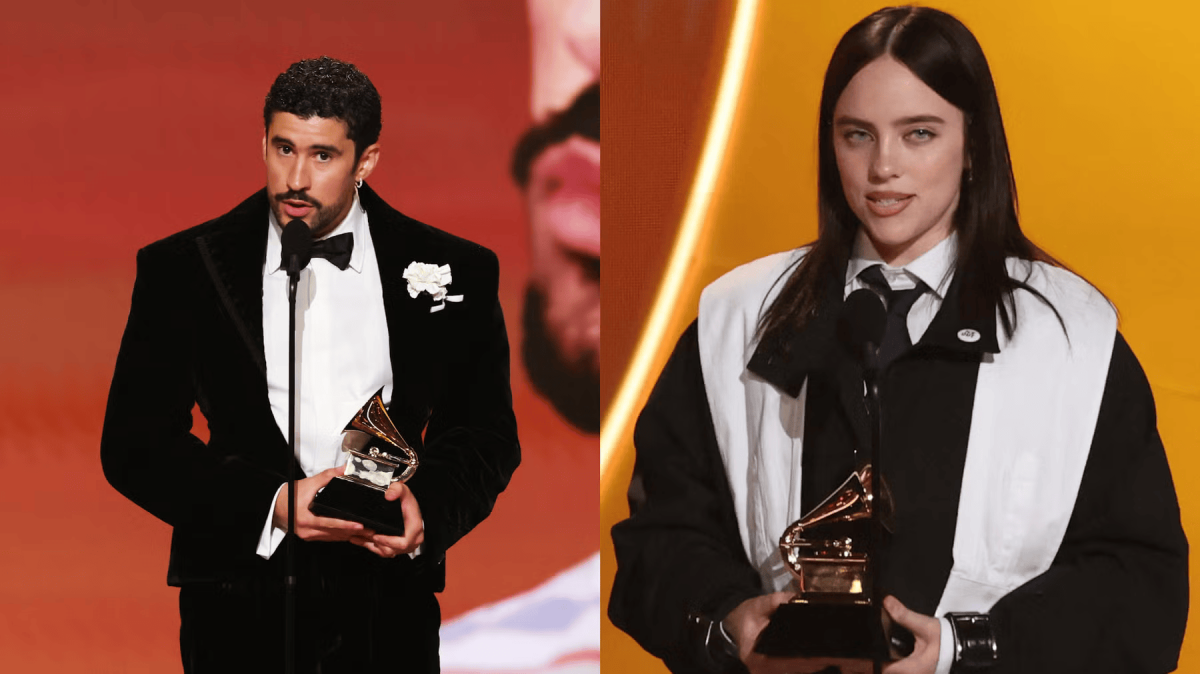
Bad Bunny and Billie Eilish hold their Grammy Awards after speaking out about the injustices of U.S. immigration policies.“We’re not savage, we’re not animals, we’re not aliens. We are humans, and we are Americans,” Artist of the Year winner Bad Bunny said in February during his Grammy acceptance speech, to which he received roaring applause.
Earlier this year, a wave of celebrities openly criticized the Trump administration and its immigration policies at the Golden Globes and Grammy Awards. At these events, notable artists like Bad Bunny and Billie Eilish made statements against the actions by U.S. Immigration and Customs Enforcement (ICE) in Minneapolis and other cities. Other celebrities, such as Ariana Grande and Justin Bieber, wore black and white pins with the slogans “BE GOOD” and “ICE OUT.”
Politics has historically been intertwined with the entertainment industry, but in the last 10-15 years, there has been increasing attention to celebrities’ roles in politics and whether they should be quiet and not offend or be vocal and risk alienating parts of their fan base.
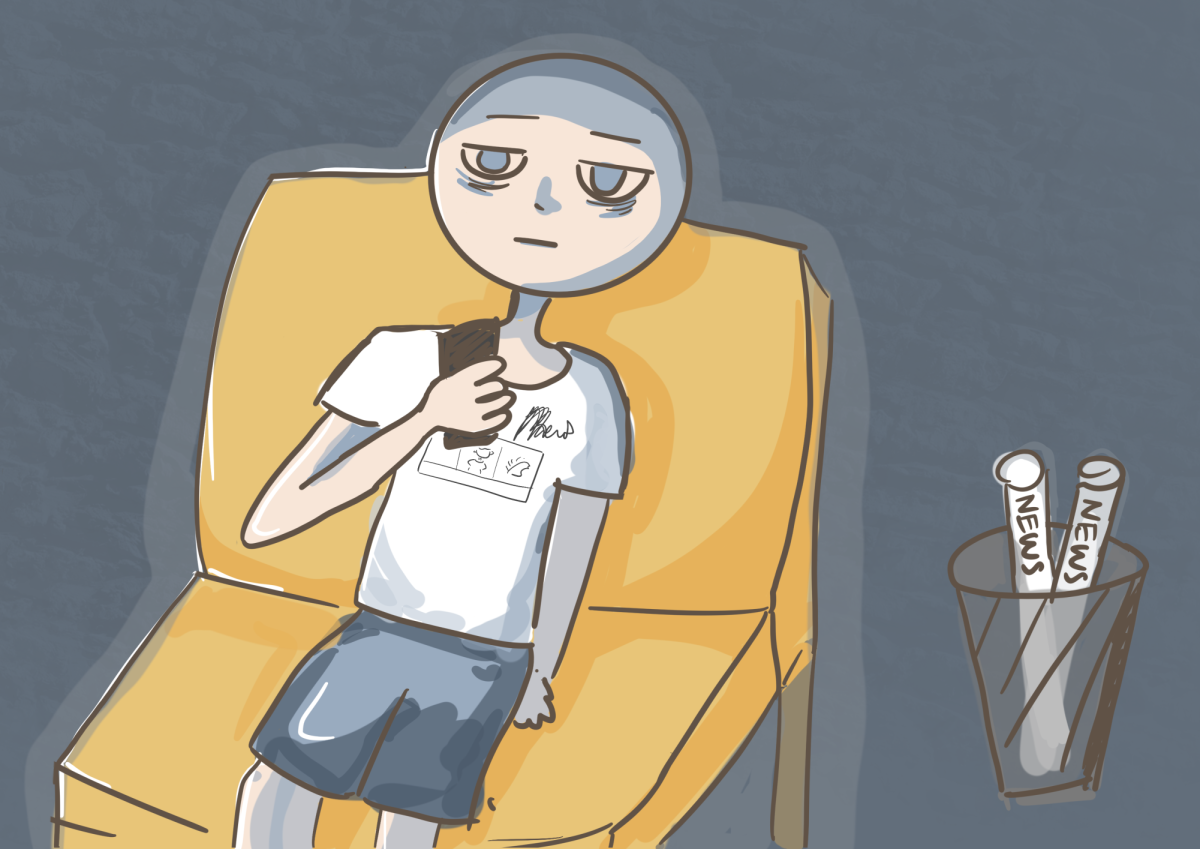
Given that the lives of celebrities are rarely private and watched carefully in the public eye, they are constantly being judged for how they act. Oftentimes, celebrities’ political comments — or lack thereof — are exaggerated on social media or pop culture news, leading to scrutiny and sometimes lost support from fans.
Whether it’s sharing an endorsement for a politician on Instagram, as Taylor Swift did in the 2024 presidential campaign for Kamala Harris, or giving a political speech at an award show, celebrities have a massive reach in the tens of millions that can shape public opinion and draw attention to issues that would otherwise go ignored. But activism from celebrities is not always welcomed. Their public statements often spark controversy due to many believing that celebrities should not get involved with matters that they don’t have competent knowledge in.
While Song of the Year winner Billie Eilish received tremendous praise for her statement “No one is illegal on stolen land” at the Grammys, she also faced significant backlash from many who described the statement as hypocritical and tone-deaf, arguing that the slogan seemed inconsistent with her own privileged status.
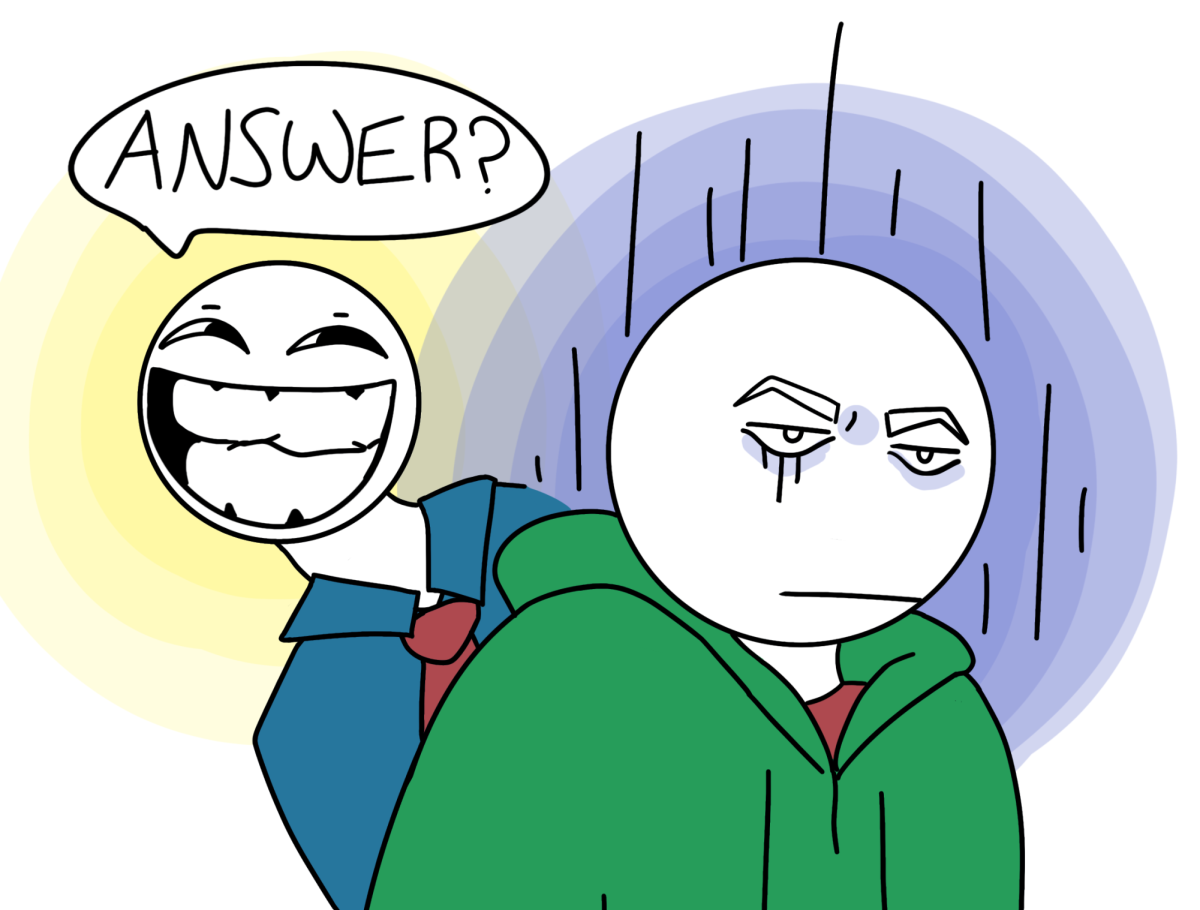
On the other hand, when a celebrity chooses to refrain from voicing their views on politics and instead stay silent, fans can see this as them failing to use their platform correctly by not spreading awareness or showing support for important social issues. It seems that regardless of what celebrities say or do, celebrities are frequently and overly criticized by fans.
Famous figures like Jennifer Lawrence and Neil Patrick Harris have chosen to avoid commenting on politics altogether, prioritizing their professional work instead. After Lawrence made a statement in a November 2025 interview about her political silence and how she feels speaking out is ineffective, some fans praised her maturity while others criticized her decision to hold back. Similarly, Harris expressed his desire to stay apolitical in a growingly divided world, with some supporting him and believing entertainment should offer an escape from heated politics, and others who criticized this believing that art is inherently political.
Before the rise of social media in the late 2000s, celebrities primarily shared their political opinions in formal interviews and talk shows. Now, they have the ability to post their views instantly on social media for millions to see. While this allows fans to connect with celebrities and understand their more personal side, this also creates an environment where fans expect constant opinions and transparency from celebrities. The craving for personal connection encourages fans to feel entitled to a celebrity’s thoughts.
One reason fans overly criticize celebrities for not speaking out is due to them developing parasocial relationships, which is a one-sided connection with a public figure formed over shared interests. As fans become more involved in these relationships, they expect celebrities to become role models and take stances that align with their values.
Swift, a major public figure with an enormous fan base, has fostered parasocial relationships with many through her autobiographical lyrics and frequent documentation of her life on social media, encouraging her fan base to feel that they have a deep, close connection with her.
However, when Swift does something those same fans perceive as violating shared values — like being friendly with a vocal Trump supporter and releasing her “Opalite” music video around the same time celebrity statements on U.S. immigration issues — fans reacted with intense personal disappointment due to unattainable expectations for her to be “principled” and above typical industry behavior.
Celebrity political speech is not judged equally among fans, and is instead scaled with power. More established figures like Swift can afford to take a political stance without major backlash or consequences to their career due to their enormous fanbase with a great deal of fans who will continue to support and stay loyal to her regardless of her views. In contrast, for artists like Bad Bunny or newer artists, the stakes are higher for them because their image is still evolving, so public reaction can impact their reputation more heavily.
Celebrities should feel free to speak — or not speak — on political issues, but when they do, it’s most effective if it aligns with their persona and values. They don’t need to be politicians to have a voice, but they should understand the weight of the influence they carry. Whether they choose to engage or stay silent, it’s important for them to be genuine and stand confidently by their choice.
