



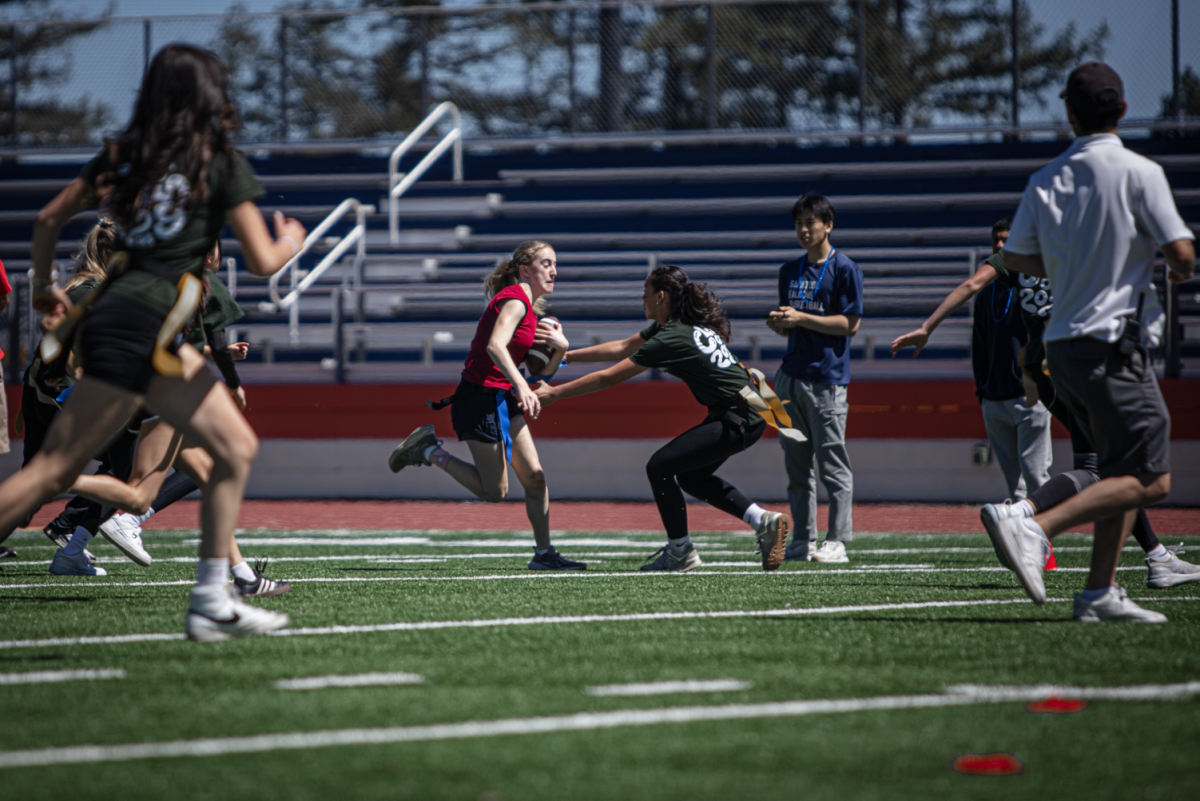

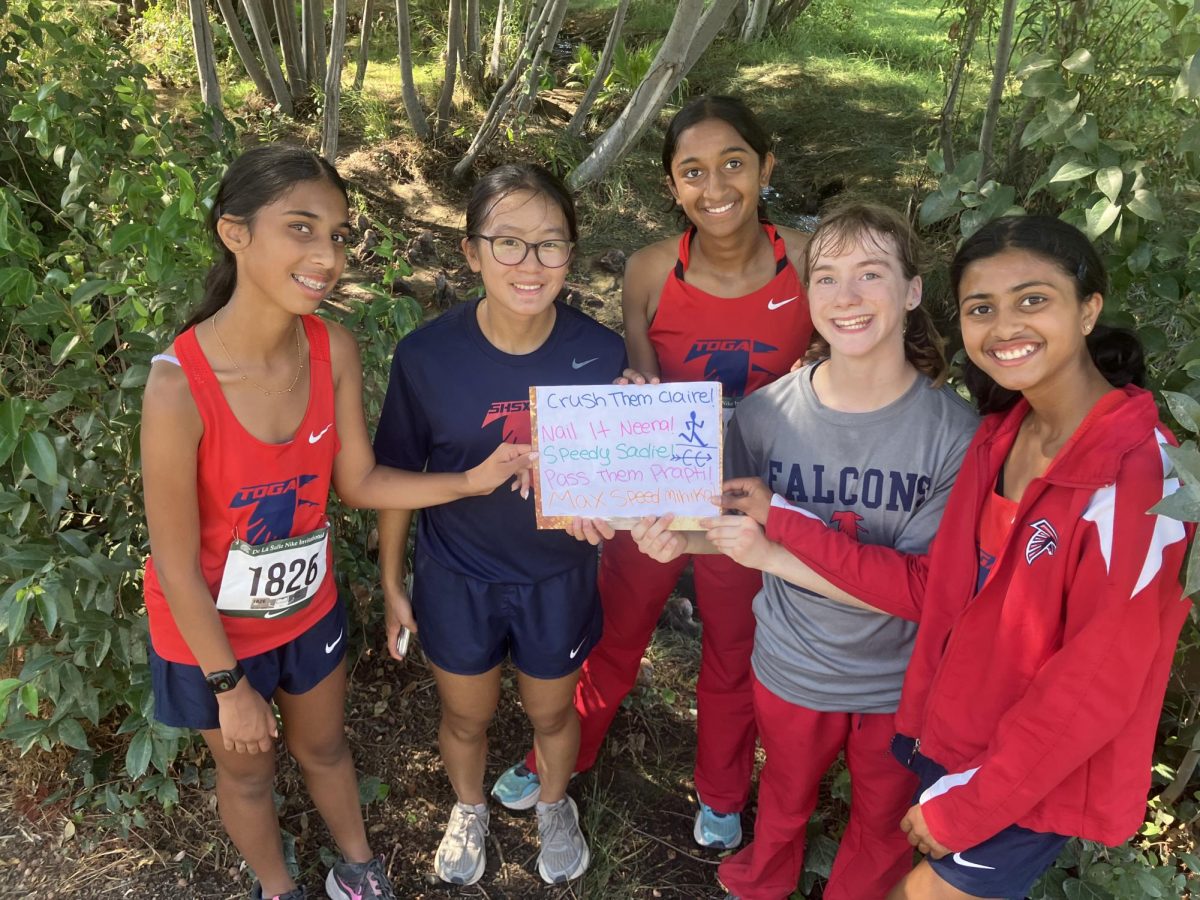













Each year, the Saratoga High Sports Boosters, a parent-run nonprofit organization, helps keep around 20 sports running in all three seasons, providing necessary financial support that isn’t always recognized by the athletes themselves.
According to Sports Boosters President Ali Mokhberi, over the past two years, the money raised has paid for a wide range of expenses, including summer coaching stipends, Hudl subscriptions for film analysis and TeamSnap for communication between teams and families.
Some of Booster’s other contributions include paying for new LED scorer’s tables, training equipment and uniforms, concussion testing and facility upgrades across campus. The organization has also funded a new basketball shot clock, updated backboards, renovations to the girls’ locker room and new padding for the softball field and sports court — projects that benefit both current and future athletes.
A full list of funded projects is available on the organization’s website, reflecting its broad goal: to support every team rather than prioritizing a select few.
Sports Boosters raises money primarily through parent memberships and donations, along with additional fundraising efforts throughout the year. Families can donate either through ASB or directly through Saratoga Sports Boosters.
If donating through Boosters, families are asked to become members, with a minimum membership donation of $100. Because Saratoga Sports Boosters is a registered 501(c)(3) nonprofit, donations may qualify for corporate matching through employers and may be tax-deductible, potentially multiplying the impact of each contribution.
Sports Boosters Treasurer Dave Johnson said that over the past few years, the organization’s annual budget has ranged between approximately $40,000 and $50,000. Through membership dues and corporate matching, the organization has aimed to raise between $45,000 and $50,000 for the 2025–26 school year.
The group works to break even each year. While the books are generally balanced, leaders note that some funding requests cannot always be approved in order to avoid running a deficit.
Athletics at the school are funded through a combination of district support, parent donations and Sports Boosters contributions. In addition to their provided budget, the General Athletic Fund has an annual budget of approximately $75,000 from the district, which covers expenses such as league dues, game officials and athletic trainer supplies.
“A common misconception that parents have is that funds that they donate to the Boosters go into a big pot funding different sports and activities but in reality, parent donations go directly to the sport their child is a part of and roll over into that sport’s future years funding,” athletic director Rick Ellis said.
While the total cost to run the entire athletics program is not publicly specified, leaders emphasize that multiple funding sources are essential to keeping programs operational.
The funds for each sport are allocated through a collaborative process. Coaches submit requests for equipment, safety upgrades or program support, which are then reviewed by the Boosters’ board. Decisions are made based on athlete safety, the number of athletes impacted, urgency of the need and how well the request fits within the overall athletic program.
“Boosters are really about making sure all programs have what they need to function well,” Sports Boosters secretary Sharmi Shah said. “We try to be as fair and thoughtful as possible when deciding how funds are distributed.”
For many parents involved, supporting Sports Boosters is about more than funding equipment.
“I think extracurriculars — whether they’re sports, music or theater — are essential in helping students manage academic stress,” Shah said. “Being part of Boosters is a way to support not just my own child, but the entire student-athlete community.”
While students may not always notice the organization working behind the scenes, Sports Boosters continues to shape the athletic experience across campus. Through parent-led fundraising, corporate matching and careful allocation of resources, the group ensures that sports remain accessible, safe and well-supported for every team.
“Boosters are instrumental,” Ellis said. “They help fund everything from uniforms and scoreboards to communication platforms and coaching support. Without them, it would be very difficult to maintain the quality and accessibility of our athletic programs.”