







Congratulations — you’ve won the election! Regardless of the role you’ve landed, it’s taken an incredible amount of effort to be selected as an ASB officer for the 2026-27 school year.
On this campus, an achievement like this means joining the ranks of dozens — if not hundreds — of leaders like yourself.
In fact, stroll into any classroom on campus and you will land face-to-face with the president and co-founder of the school’s latest tech club; the co-treasurer of a longstanding cultural association; a section leader in the marching band or a section editor of The Falcon.
At the top of the student leadership ladder sits you, our Associated Student Body (ASB) — an elected president, vice president, treasurer and secretary; appointed commissioners for dances, clubs and spirit; and a mix of elected and appointed class officers for each grade level.
But when it comes to this group, the past year has revealed a widening gap in accountability and transparency between the student body and those elected to represent them.
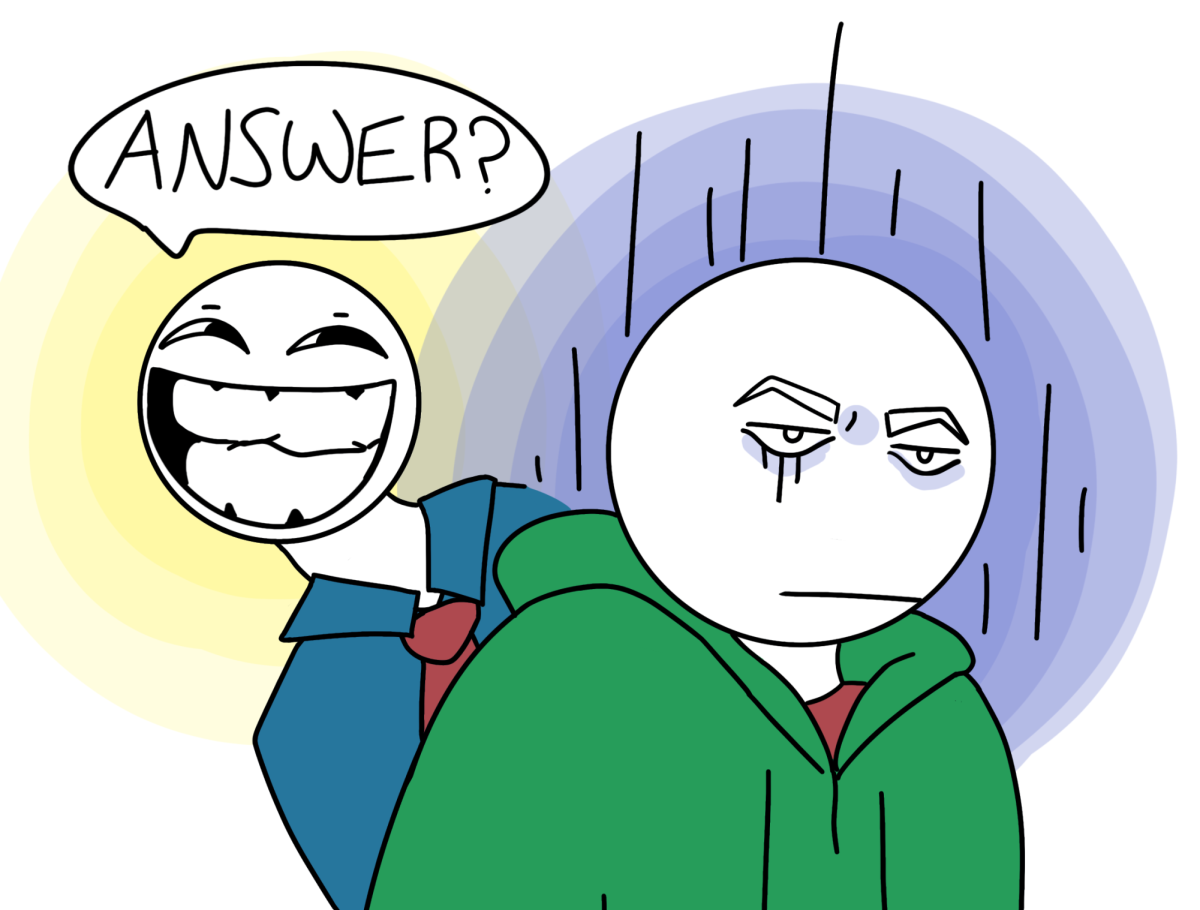
Despite an ample supply of resources, student leadership is struggling to carry out even the bare minimum of their job descriptions. And when it comes to truly taking the initiative to lead, represent and, most importantly, serve the student body, it’s almost as if the group doesn’t exist.
So now the new ASB is faced with a choice: to follow in the well-worn footsteps of years past, where passivity is the norm, or to take charge of our campus and remind the student body of the power of devoted, inclusive, service-oriented leadership.
But let’s not jump to judgment. Using the ASB’s official constitution and website as criteria, we can measure up the performance of past ASBs against clearly defined goals and duties.
An overdue assessment
ASB’s principles rest on a constitution — a document as old as the school itself (dating to 1959) and revised as recently as last year — outlining the student leaders’ responsibilities. As stated in the document, officers serve to “give voice to the masses of unheard students.”
This ideal is mirrored in the school’s ASB website, which promises that officers “fiercely represent our people at every level of school government.”
But digging that deep isn’t even necessary — just a glance at the dozens of posters plastered around the campus hallways or the hundreds of Instagram advertisements and you might start to wonder if leadership candidates are forced to include “listening to students” as one of their campaign promises.
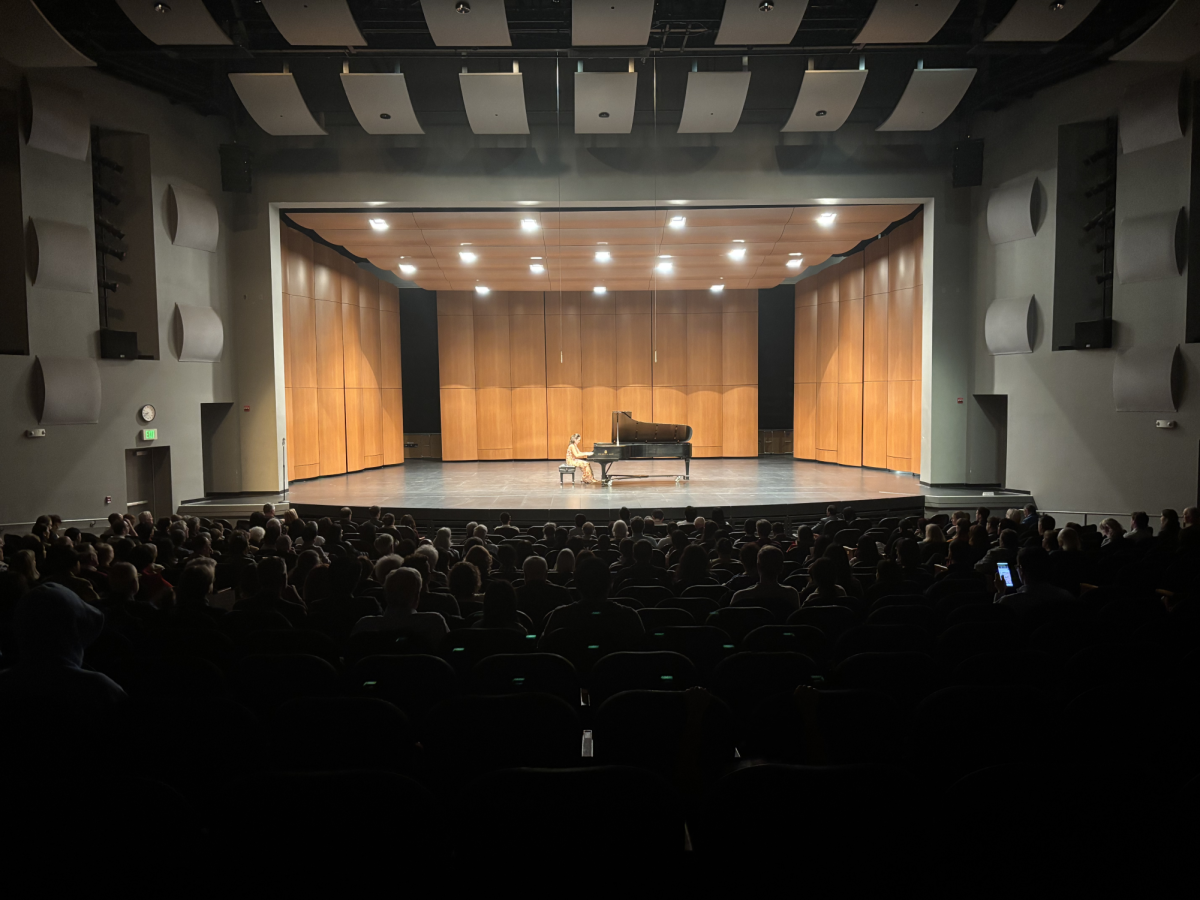
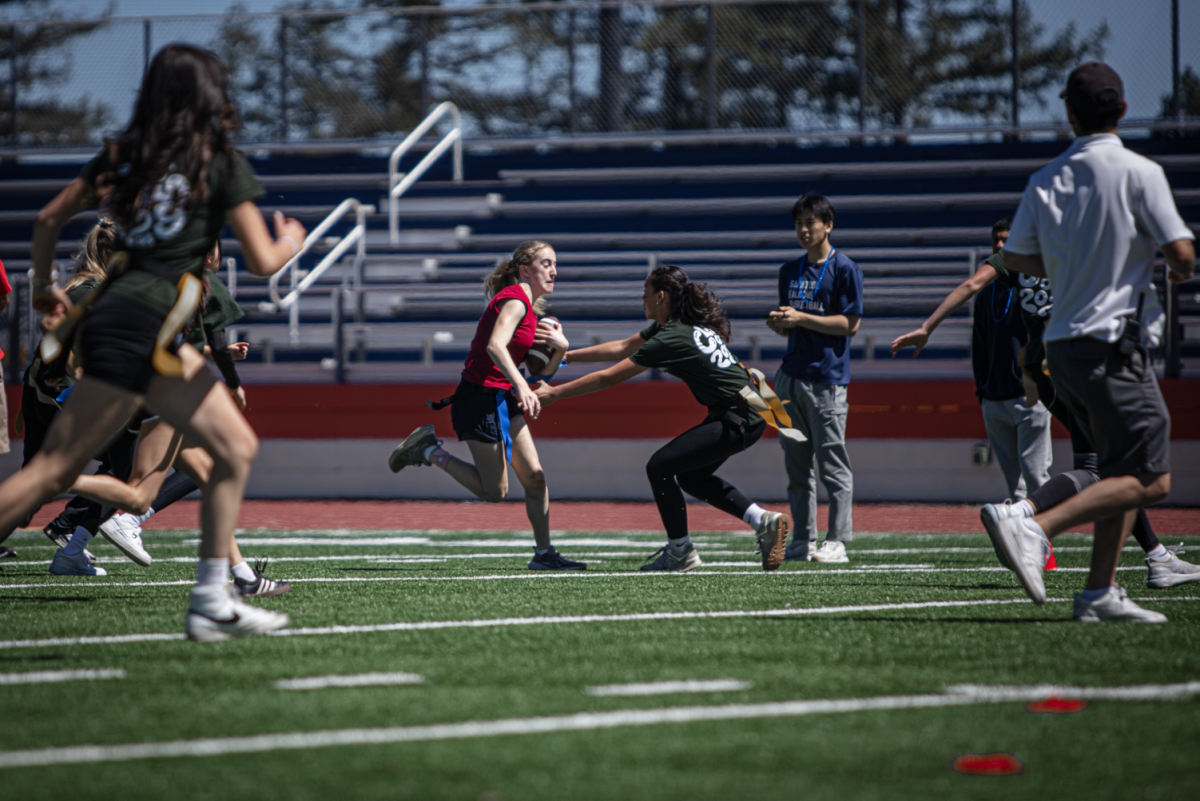
Clearly, ASB’s core function lies in representation, but where does this manifest in student life? Mandatory ASB-hosted activities take up a noticeable portion of the year and draw attendance from a majority of the student body — despite an aversion by many students to rallies — but to consider hamster ball-wrestling, three-legged races and the occasional drumline cadence as “representation” is undoubtedly a stretch.
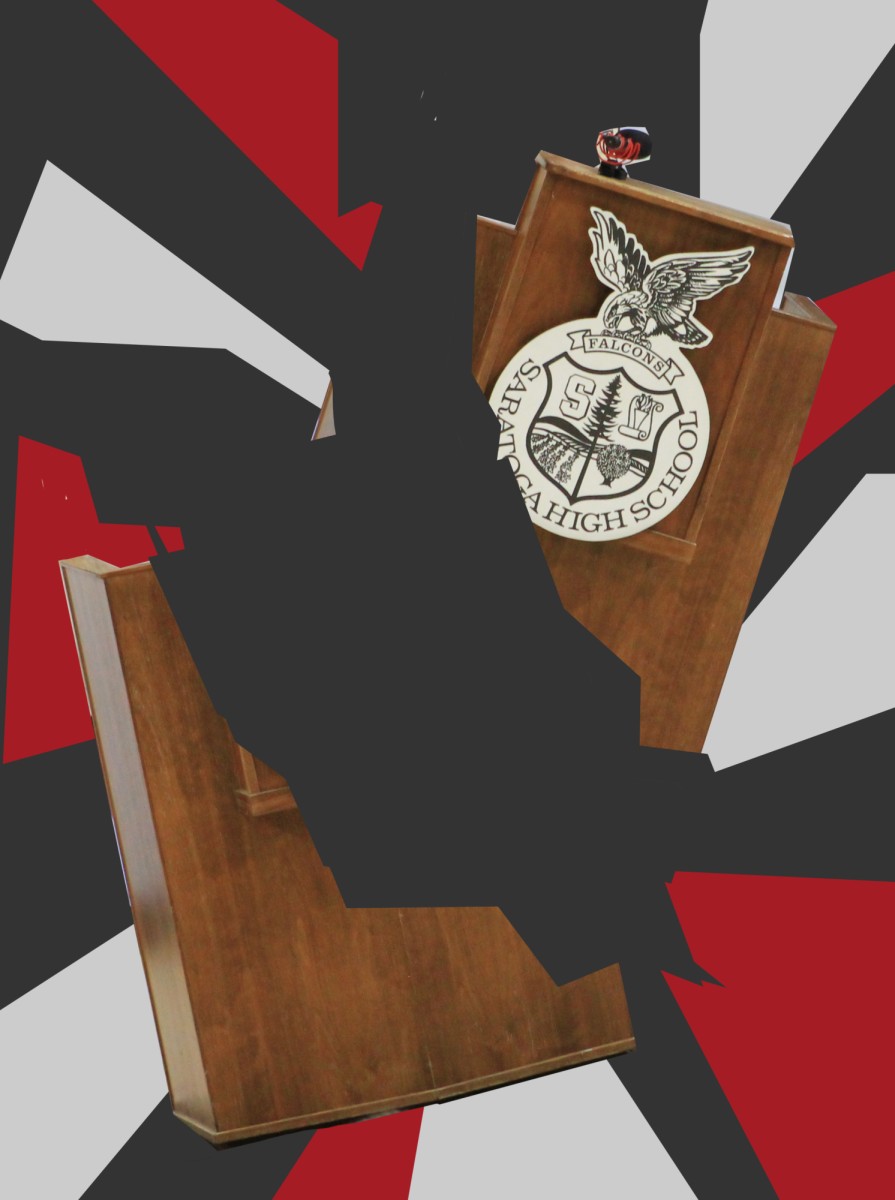
The annual Speak Up for Change rally in January is the closest comparison, but even then, the event centers around students and teachers sharing their personal stories. Elected officers are relegated to selecting speakers and giving a short introduction before ultimately taking a seat behind the podium.
Aside from rallies, the ASB constantly organizes fundraisers, spirit weeks and school-wide events like March Madness, Winter Formal and Prom — but do these truly represent “the masses of unheard students”?
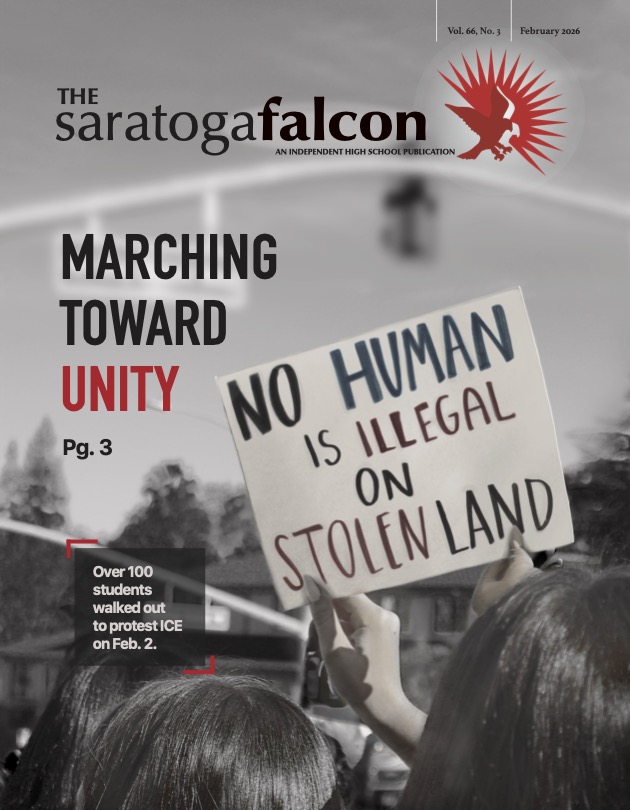
When real student leadership is called for, the ASB has not taken a leading role. For instance, when a hundred students independently organized a school walkout protesting the actions of ICE and the federal government in February, ASB support was seemingly nonexistent. By contrast, districts like Fremont Unified or schools like Branham High saw movements led by ASB that drew exponentially more support and awareness.
Or look back to SHS walkouts from 2018 and 2019 as a part of the March for Our Lives movement, which were organized by a proactive ASB and drew significant student support.
Over the years, these walkouts have always been inherently political, concerned divisive moments in history and involve moments of student activism — surely ASB support doesn’t need to be entangled with individual officers’ beliefs on a situation in order to coordinate with administrators, ensure student safety and amplify voices.
Especially in a school filled with diverse immigrant perspectives, failing to mention anything about a movement that directly concerns students’ existence and well-being — no matter how far removed Saratoga is from Minneapolis — sends a message of apathy, not inclusion.
So when it comes to ASB’s first, and really their only thoroughly articulated goal, it’s already unclear how members of the leadership group are fulfilling their duties.
But looking even just a bit further reveals a litany of administrative failures that have distorted the institution into one of obscure duties, not one of dedicated service. These start with perhaps the ASB Constitution’s most noteworthy section — besides its calls for representation and explanation of election procedures — concerning meetings and procedures.
ASB meetings, where the school’s elected officers meet openly in a “general legislative assembly” to make decisions around campus, are nothing new.
Over a decade ago, they were regularly held on Monday evenings; in 2017, they were moved to fifth period. Starting last school year, however, former ASB president Alan Cai led the justified decision to move them to tutorial periods in order to draw more non-leadership attendance.
But this year saw a quiet reversal of this policy, where meetings were moved back to the second-period Leadership class, a time that the general school population can’t attend, according to sources from the class.
Changes like these, especially when they go unnoticed by the campus, only serve to counteract any possible progress that can be made as a student body. Having meetings during school obviously doesn’t help with attendance, but at the very least, clearly defined ASB meeting times would better allow the occasional student with a free period to listen in, ensuring transparency and accountability even if attendance from the general populace is low.
Either way, it takes only a single student voice to spark new ideas to improve our campus, no matter how small the improvements are; in October 2024, at one of the school’s first tutorial ASB meetings, a student’s suggestion led to the installation of a ping pong ball dispenser in the Falcon Nest.
Unfortunately, it seems like these ideals have gone by the wayside this year. Not only have students been left in the dark as to when their elected leaders meet to make decisions on their behalf, but those decisions themselves are often hidden.
Again, let’s refer back to the ASB Constitution, which states, plain-as-day (and twice in the same section), that the ASB President and Vice President shall “post the minutes of the ASB meetings on the school website in a timely manner.”
But no matter how hard you comb through the ASB website, the school website or Facebook, you won’t find a single reference to these meeting minutes — unless you’re looking for the recap of a meeting from September 2015.
It’s also hard to ignore the fact that not only does the ASB website still reference the Instagram accounts of last year’s senior class office, but nearly half of the website is completely devoid of content, including entire pages dedicated to housing meeting minutes and morning announcements.
It’s one thing to keep meeting details private or to only share them within student leadership; but when the only document you can reference as a guideline and standard for ASB function clearly lays out a duty to make any information publicly accessible — on multiple platforms, no less — and not a single iota of knowledge from the past decade is available, something in the process has seriously gone wrong.
These concerns don’t exist in a vacuum. ASB meetings, as they are, are no doubt full of productive discussions on school activities, but it’s simply foolish to entrust a limited group of 30 high schoolers to make financial and social decisions that impact a thousand of their peers and expect consistently popular results. In a community full of research-conducting, next-generation talent, there’s surely value that comes with involving some of those brilliant students in the legislative process and having something closer to a representative democracy.
Perhaps those voices could have been useful when deciding the location or managing the advertising of this school year’s Winter Formal, which resulted in a $15,000 deficit. Or perhaps they could contribute to the never-ending debate on how to most effectively manage clubs on campus and reduce the ever-present problem of “ghost clubs” — a discussion that’s older than a majority of students.
Regardless, a successful, thriving student body can only exist when all students have the chance to make their voices heard and when all students can act as a check on the decision-making process.
On the other hand, when students make it a tradition to campaign on being an open ear to the concerns of their peers and the school ends up with these results, it feels as though the entire culture around ASB leadership is centered around winning elections rather than doing important work in the actual job.
A much-truncated list of possible solutions
This editorial doesn’t aim to dismantle and rebuild ASB as an institution, nor does it seek to tell Leadership class students how they should or should not act. The criticisms here have all only referenced ASB not following its self-written guidelines.
In that spirit, for the incoming ASB officers next year and future years, here are a few actionable suggestions for improvement:
- Advertise when ASB meetings will take place. Invite students to attend. Post meeting minutes on the ever-active “@shsasb” Instagram account and repost them through the class office Instagram accounts. Consider holding these well-publicized meetings during tutorials.
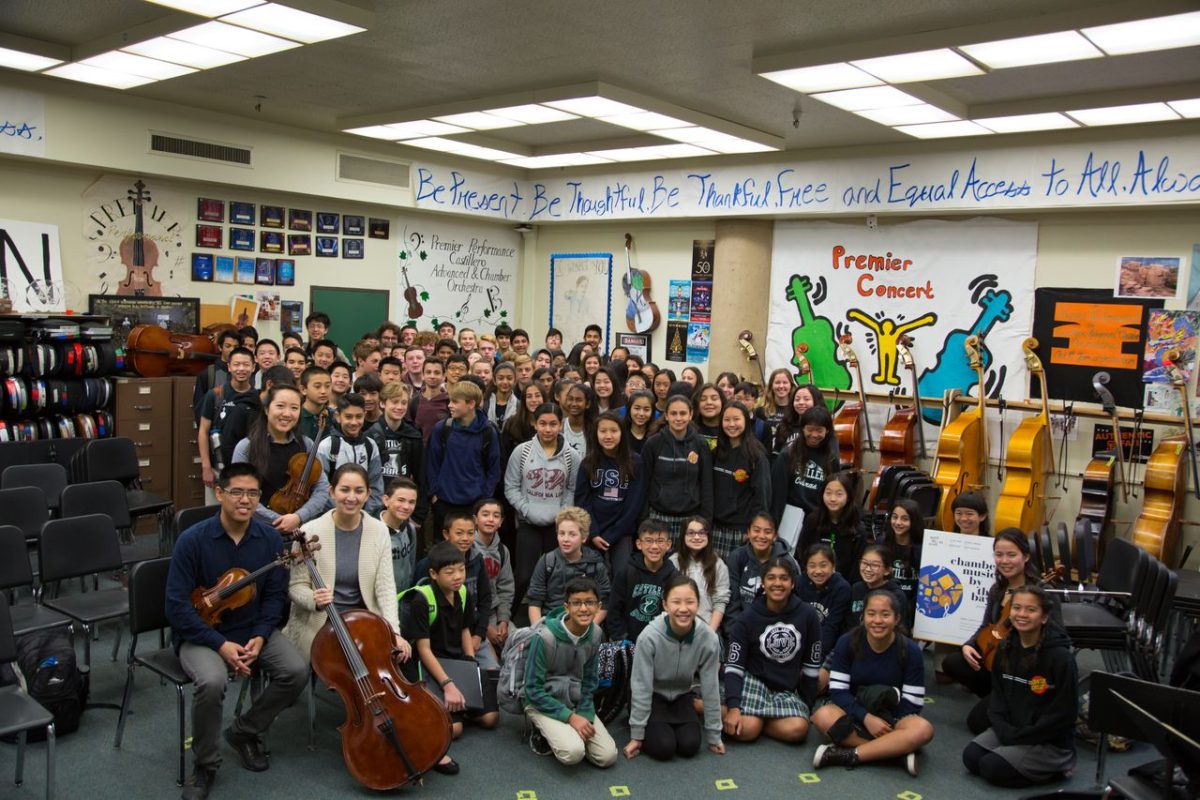
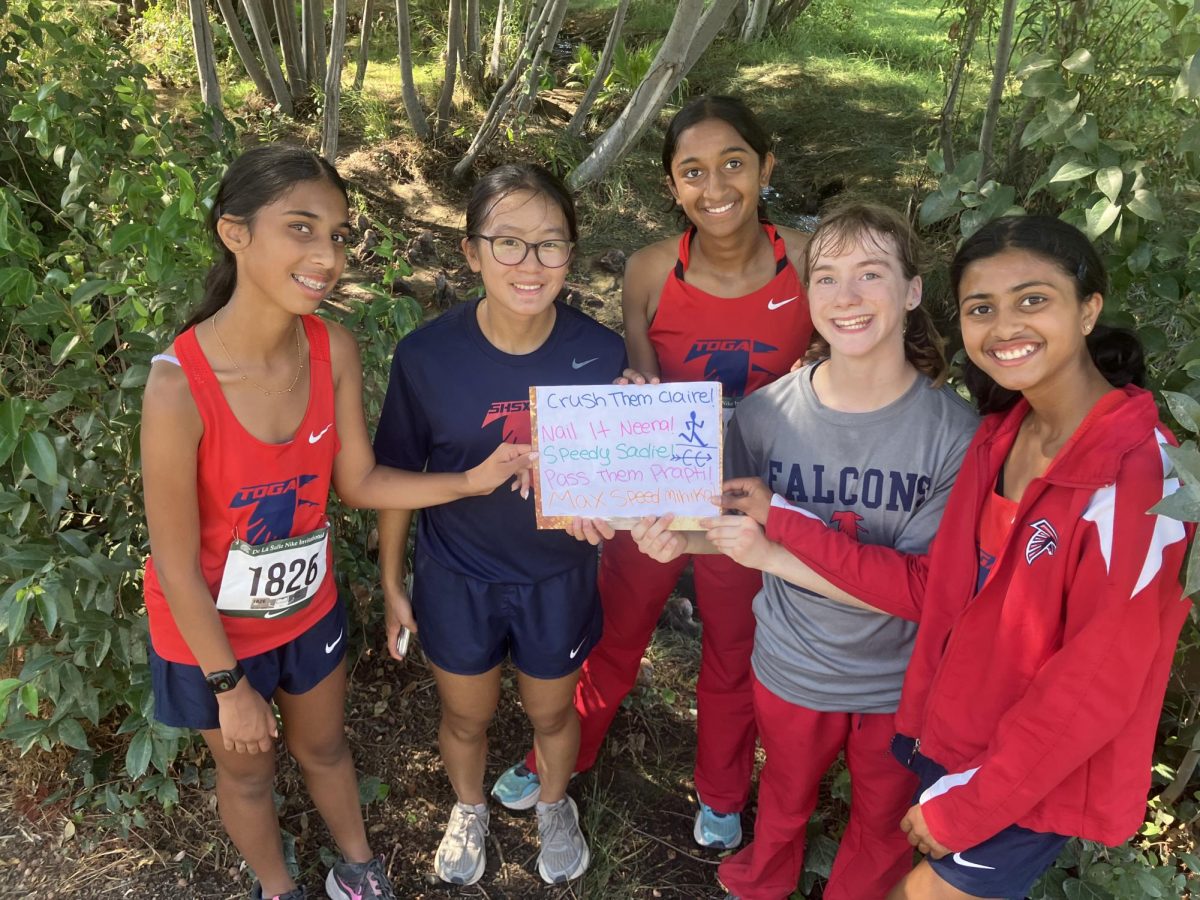
- Find and take any opportunity available to represent and support the student body. Attend a band concert, choir performance, musical, sports game, cultural festival, robotics competition, debate tournament, or any of the scores of extracurriculars students participate in, and get to know the human beings who are impacted by the decisions of student leadership; being involved in student life should be an expectation, if not a requirement, of student leadership. Short on time? Drop by a rehearsal or a practice for five minutes — if anything, that demonstrates more dedication to the student body.
- Facing a tough decision? Consult the dozens of other leaders on campus — drum majors, orchestra managers, team captains, debate captains, club presidents, newspaper editors (hello!), the list is endless. It’s impossible to lead a group, especially one as expansive and diverse as all of Saratoga High School by yourselves; we are here to help.
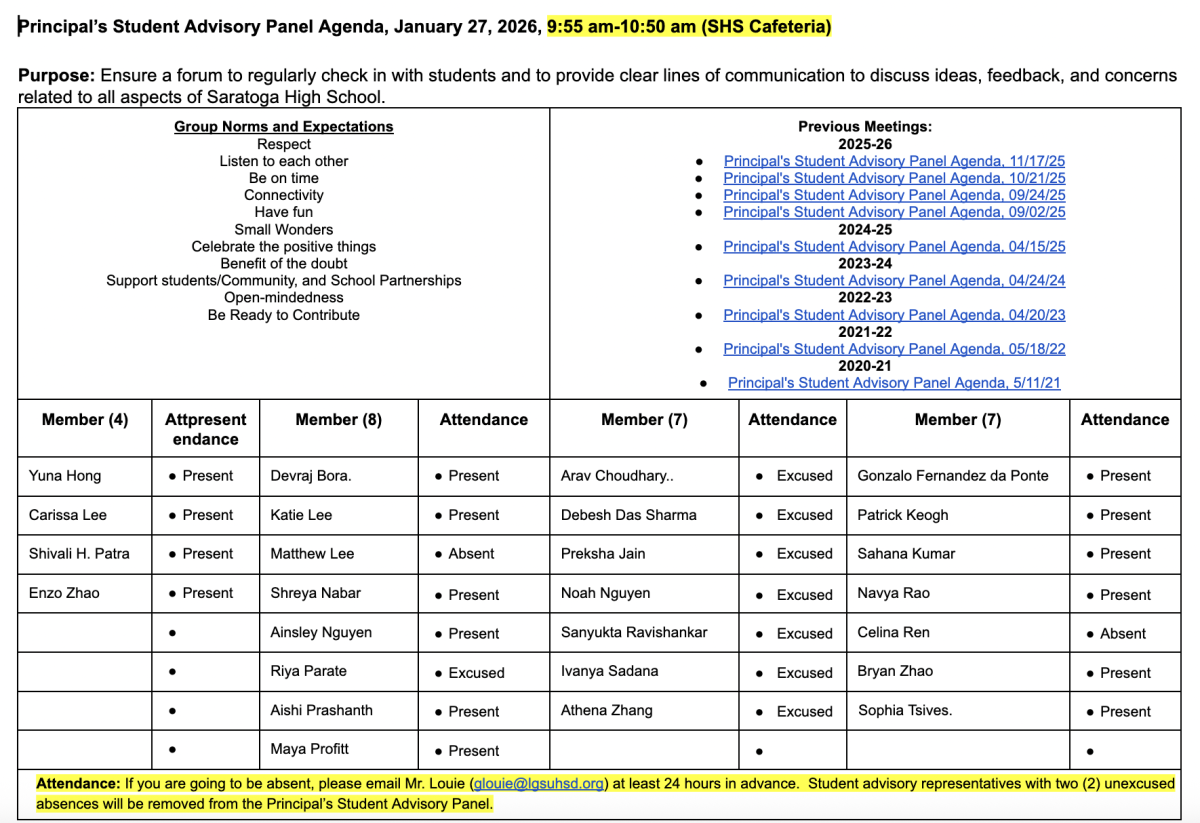
Outside the student body, we can easily turn to PTSO, Saratoga Music Boosters, Saratoga Sports Boosters, the Principal’s Student Advisory Board, the District Teachers’ Association, the Board of Trustees: Elected leaders can contact every single stakeholder that steps foot into this campus. It’s time we take advantage of the brainpower this access brings.
But these resources don’t have to be used solely for advice or input — these organizations often serve as models for what true, vibrant leadership looks like. The parents that make up PTSO leadership; the teachers at the helm of the DTA and the community members serving on the school board aren’t just seasoned members of professional workplaces, but were elected themselves to serve those specific communities.
So just as the Board of Trustees might hold public meetings for facilities renovations — even if only a dozen parents across the district show up — ASB can hold discussions on venues and schedules for prom and winter formal or hold a debate on how to allocate school funds.
Just as we receive school-related publicity in our emails week after week in the form of press releases — from board meeting summaries to shout-outs for athletes and academics — ASB can send out recaps of their planning meetings or encourage students to support each other at concerts, events and competitions.
All of these suggestions can essentially be summed up with one word: Listen.
For hundreds of students on campus, high school life is defined by a whirlwind of commitments, where schedule-packing often comes before dedication or passion in the zero-sum game of the college admissions race; so perhaps it’s reasonable that earning a leadership role by the end of their four years is a foregone conclusion.
But perhaps it’s a foregone conclusion because we are all already leaders. Those who walk out the gates of Benny Pierce Field after graduation will someday be startup CEOs, diplomats, project managers, journalists, professional athletes.
As the Class of ‘26 approaches the last day they’ll walk on campus as students of this institution, it’s become clear just how much four years can define the course of a person’s life — and the strength of our student body is what makes or breaks that impact.
Ultimately, the path to building a better future — in our political discourse, in our economic institutions, in our intrapersonal skills and interpersonal relationships — starts in these hallways.
So, is there hope for our student body leadership to function as intended? Can those “unheard masses” among the student body ever get a voice in their student government?
Obviously, the answer is yes.
And to the ASB of the 2026-27 school year, just know:
It starts with you.
