








With common AI tools such as ChatGPT and Gemini becoming more accessible and powerful in recent months, cheating on school assignments has alarmed educators across the nation.
According to EducationWeek, in the 2023-24 school year, the number of students getting in trouble for the use of generative AI soared 48%. Many of the problems began in November 2022 with the release of ChatGPT.
In response to the problem, a district committee that includes five teachers has been looking into different methods to combat unethical AI use.
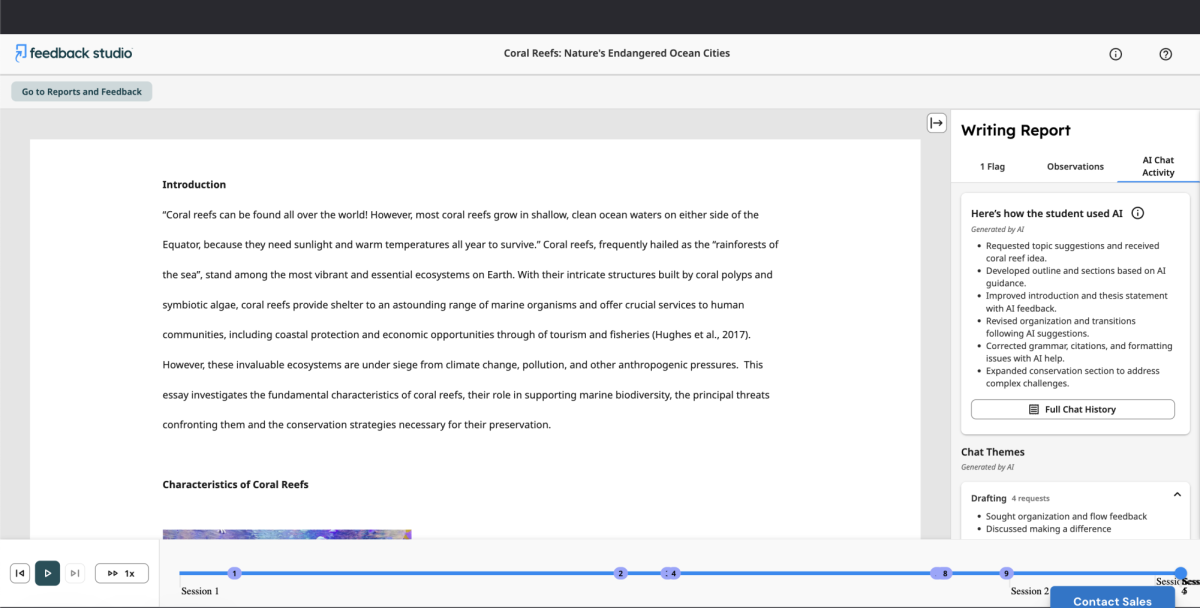
One potential solution they have found is a product called Turnitin Clarity. It is word processing software used through Turnitin that detects plagiarism and AI-generated text. After its release last July, it caught the attention of the committee, who began looking into new software as a means for students to engage with writing in ways they used to.
Turnitin Clarity’s purpose is to discourage unethical AI use and instead encourage using AI to assist with learning. The tool is essentially a regular document students can write in, but with additional built-in anti-cheating tools.
The main feature that differentiates Clarity from the original Turnitin is that it tracks the students’ writing in real time and detects irregular behavior connected with unethical AI use.
However, it also contains an AI assistant that helps with brainstorming and refining the writer’s work, such as a citation checker. Students will ideally be able to use Turnitin Clarity both in class and at home.
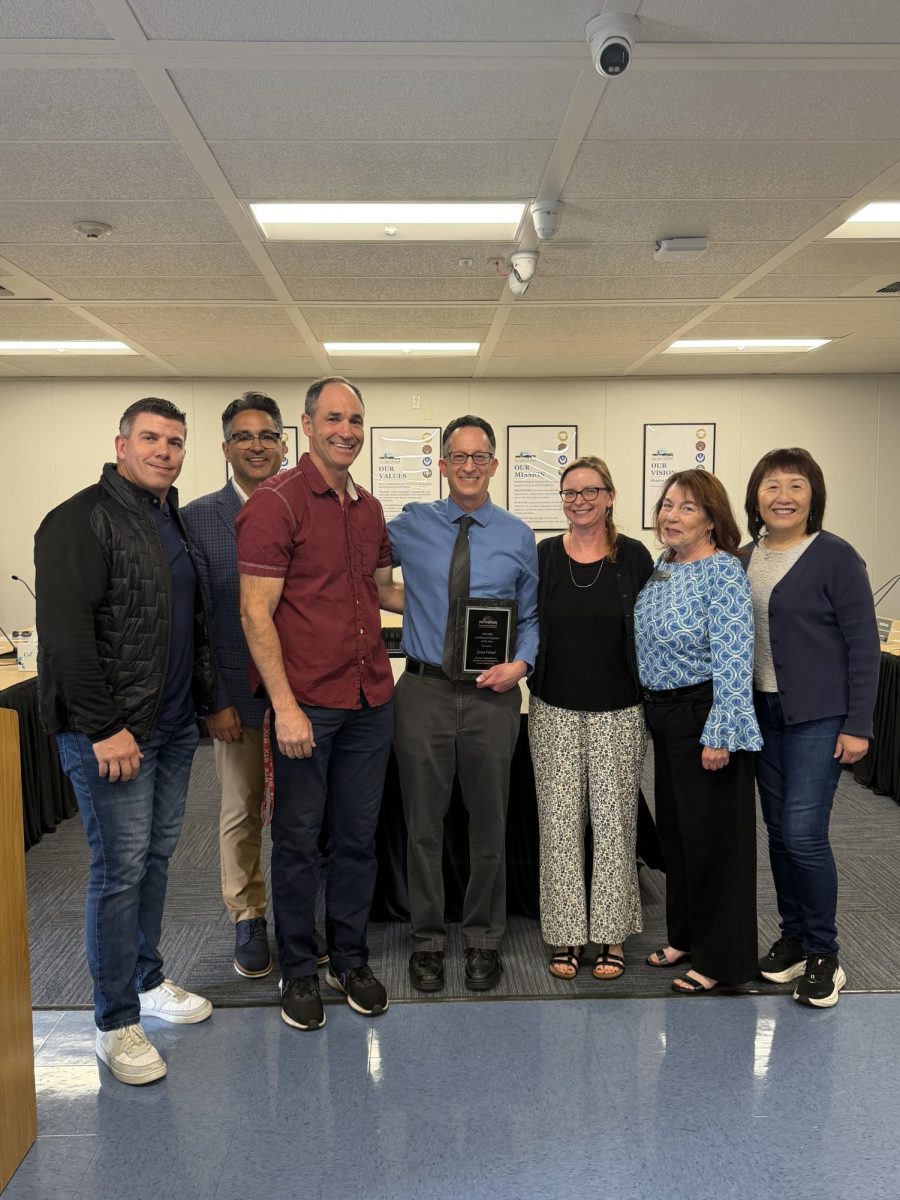
The English department is currently piloting the software. AP Language and Composition teacher Jason Friend has been testing the software with his students this semester.
“I’m a person who’s not anti-AI as a whole,” he told The Falcon. “[Turnitin’s] goal is to make an AI assistant that gives thoughtful feedback like a peer reviewer, but that won’t do students work for them. That could actually be an educational asset, and I’m happy they’re trying to achieve that.”
On the other hand, while testing the Turnitin Clarity in the past couple of weeks, Friend found that, with pretty limited testing, the AI assistant still allowed students to engage in unethical AI use.
“I won’t use that feature until I see that it can actually do the things I want it to do and not the things I don’t want it to do,” Friend said.
No AI checker is definitive, and for English teachers, the current version of Turnitin Clarity aims to serve as another tool that will allow students to write freely while providing another safeguard against the unrestricted use of AI.
“I think all teachers understand that AI checkers are imperfect, so we just use it as one tool amongst many others,” Friend said.
