










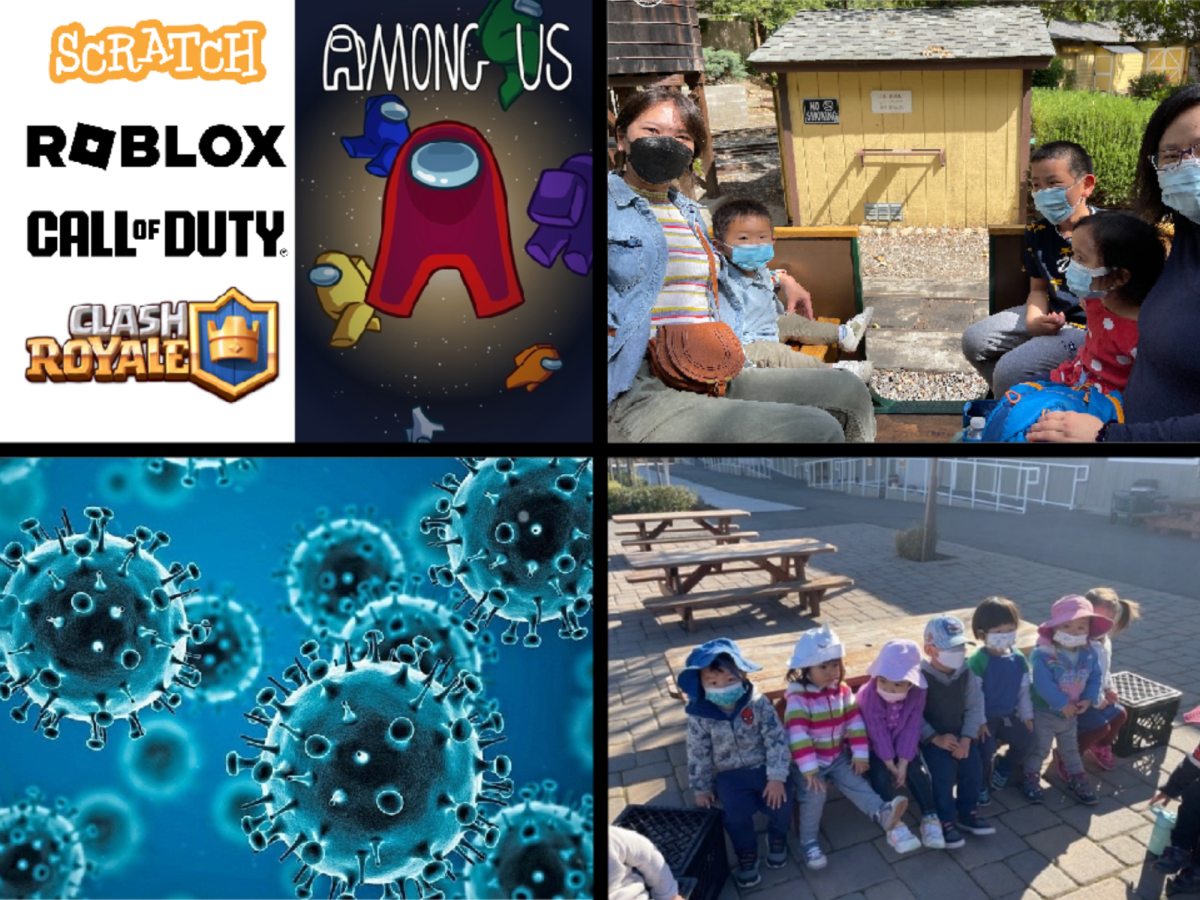
Five-and-a-half years ago, my parents informed me school would be cancelled and moved online due to the pandemic. As a third grader, most of my classmates and I were thrilled. Little did I know, this would be the biggest turning point in my life to that point.
Everyone has their own memories of the pandemic: from playing the game “Among Us” during online school to learning asynchronously or even mastering a completely new skill while being locked down at home. Regardless of how positive or negative these memories are, the pandemic has had an immeasurable impact on students’ social lives, attention spans and learning.
At the school, each grade level experienced their own version of the past few years — while freshmen like me were still third graders when schools shut down, this year’s seniors were already middle schoolers.
In an anonymous survey of 34 students by The Falcon, students shared their pandemic memories surrounding their academic, social and emotional lives — many of which echo my own.
The unique experience of online school and its impacts on academic integrity
At the end of third grade, my school transitioned to online learning, where every day I was given a packet of work to do along with some fun riddles and video lectures to watch — some of which took longer than an hour. At this time, I was learning basic math, reading books such as “The BFG” and studying science topics such as the basics of photosynthesis.
After doing my work, I would also have an hour-long meeting with the entire class. Many schools used Zoom; however, my class used a laggier and more complex video platform called BigBlueButton, rejecting Zoom because of perceived privacy issues.
With these changes, cheating became all too easy. Students could access the internet, and through online school, tests often had no time limits. While I never cheated (and ended up getting C’s on some tough literature tests), many of my classmates did. Since then, cheating has become harder to do, but it has left a lasting negative impact on academic integrity, even in-person, years later.
Sixty-one% of the students surveyed admitted they had cheated during the pandemic — evidence of how easy it was to do and become reliant on.
Then there were all distractions during online classes. Because the internet was easily accessible, students could play video games all day, even while in class.
Meanwhile, my extracurricular activities got completely wrecked. I ended up quitting both Chinese school and swimming for several years. I kept playing piano, but I had to take the class on Zoom, which was quite inconvenient.
Similarly, 52% of students surveyed ended up dropping extracurricular activities, especially sports such as swimming, basketball and baseball, and some even dropped all of their hobbies.
How the pandemic led to widespread social isolation
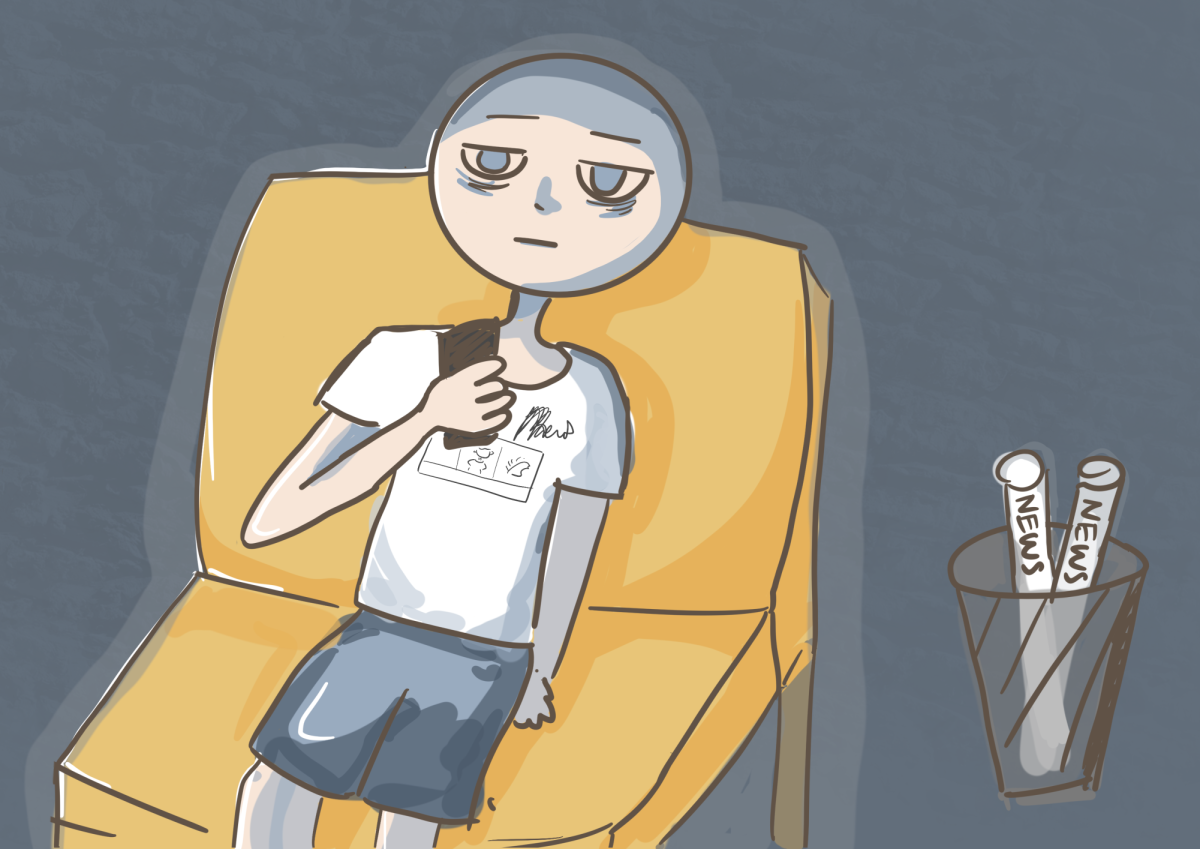
Throughout the pandemic, I lost many of my in-person friends from school; this greatly contributed to my introverted personality. However, one positive aspect of staying at home was that I could bond with my family more often. We watched movies and had occasional family time, where I would spend a good amount of time playing with toys such as dolls and magnetic tiles with my younger siblings.
Similar effects were reported among the students surveyed. Some students gained weight, some didn’t learn much from online school, some lost their friends and many grew even more addicted to their screens. Overall, most used words like lazy and lonesome to describe the time.
Not only did my social relationships change, but I also barely left the house — sometimes I would go months without riding in a car. One of my pandemic memories that I vividly remember occurred when my parents and I hopped into the car — the first time in several months driving down a road at 15 miles per hour. It felt as if it was my first time riding a car in my entire life.
Sixty-five% of students surveyed stayed almost completely at home; 29% went out less than usual and only 6%, or two students out of the 34, still went out frequently as they did before the state went on lockdown. Although isolation was mandated due to the pandemic, it still left a scar on people’s outdoor lives.
The pandemic opened doors for students to new hobbies
In terms of the general student body, there was a wide variety of games that students played during the pandemic. “Roblox” and “Among Us” were by far the most popular, with some other popular games being “Call of Duty,” “Clash Royale” and “Minecraft.” Also popular were traditional real-world games like poker, Monopoly and Uno.
However, these games were also one of many distracting sources — every student surveyed reported being consistently distracted throughout the pandemic, with 62% expressing a significantly high level of distraction.
Similarly, I picked up some of my first video games while stuck at home. With a new Nintendo Switch, I spent my free time playing “Super Mario Odyssey” and “Mario Kart 8 Deluxe” with my younger brother.
My parents also introduced me to Scratch coding, a hobby that I embraced. It was the catalyst for a passion in programming that I still retain to this day. On the negative side, though, this hobby was a leading factor in my decreased attention span.
Scratch has some haunting parallels to popular social media platforms: followers, profiles, alerts, like counts and comments. As a result, over the pandemic, I felt the urge to check Scratch if I got any new alerts, even in the middle of class. This was my first experience with an online social media life, which grew more problematic over time as I discovered other social platforms such as Discord and Reddit.
Even so, Scratch is by far my favorite pandemic memory: I enjoyed developing my platformer game series — titled “Luigi Saves Yoshi” — and watching my brother and a few of my internet friends play my games.
Although my earlier projects were low quality, I was able to improve my games with online courses and help from online friends. Some of my games gained some traction with more than 50 views and more than seven likes. This recognition, on top of the fun while Scratch coding, was the highlight of my pandemic experience. I felt a sense of satisfaction because of my programming success and my game’s popularity with a few people.
Unfortunately, after the pandemic died down, I ended up quitting Scratch in favor of spending most of my time on some much less productive platforms such as Discord because of the addictiveness of chatting with my friends. However, the experience did spark my interest in programming in general, which I still practice to this day.
Students share their favorite pandemic memories
Students surveyed by The Falcon isolated a few key moments throughout the pandemic as their most memorable.
Most reminisced on antics related to creatively avoiding schoolwork during online school — from faking pushups during P.E., skipping or sleeping during classes to fooling around with Google Slides as their teachers presented lectures. Some even noticed classmates replacing their camera feed with pre-recorded videos of themselves pretending to be listening.
Others’ favorite pandemic memories related to fun activities outside of school — holding online sleepovers and birthday parties, playing video games and making TikToks. Generally, social distancing pushed students closer to their families, as they spent more time together watching TV, partaking in household activities like baking or even hosting backyard “camping” trips.
Still, the majority of the students surveyed felt the pandemic left an overall negative impact on their lives — in fact, only 14.7% of respondents highlighted an overall positive impact.
Personally, while there have been some positives of the pandemic such as my sparked interest in coding and additional family bonding time, the negatives simply outweigh the positives. Many people like me lost their attention span because of temptations to check social media or video games.
Their educations were also severely disrupted as students dropped extracurricular activities and struggled with online learning. Many became much less social due to isolation. In my opinion, even with my coding interest, the pandemic has impacted my life negatively as I have struggled to regrow my social life, learn more efficiently and restart my extracurricular activities.
More than five years after COVID-19 first began killing millions and the world shut down, my life has mostly reverted to its pre-pandemic state. I have resumed Chinese classes and even swam again for a few years.
Because we were so young when it happened, the pandemic had an enormous impact on our generation’s education and personalities. What would we have been like if it never happened? We’ll never know, but we do know that it has shaped who we are today.