









At the beginning of every school year, ASB club commissioners receive dozens of new applications from students hoping to start their own clubs and add to the school’s list of approved ones. As of Sept. 15, that number stood at 92.
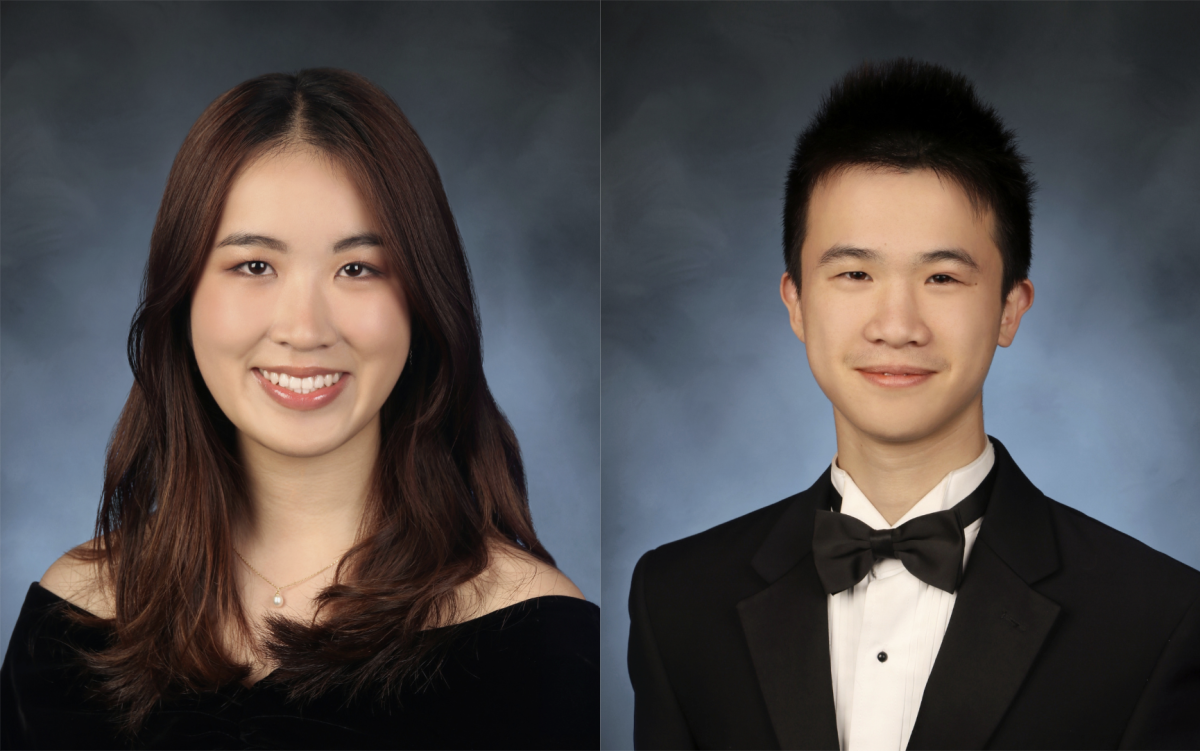
When reviewing new club applications and conducting interviews, the two commissioners, seniors Bryan Zhao and Anthony Tran, say they weigh several factors: uniqueness, student interest and the potential for consistent activity and participation.
“We ask ourselves: ‘Would this club’s benefit to the school outweigh its potential harm in diluting the club pool?” Zhao said.
Tran gave some examples of what kind of club has higher potential for consistent activity. He said a club that invests in equipment for their members or organizes school-wide events to engage them would be much more likely to be approved. Tran also mentioned that ASB looks for clubs demonstrating a clear commitment to their goals over students who are simply trying to buff up their college applications.
One of the biggest problems with the school’s clubs, according to Zhao, is the massive size of the club pool. He says the school has double or triple the number of clubs most high schools have, which lowers the quality and attendance of many clubs.
This has even led to a Niche rating of C+ for the school’s clubs and activities. This is significantly lower than the ratings of nearby schools, which are mostly within the A to B range. To help the school improve its club quality, Zhao believes that it is vital for there to be fewer clubs.
“Club dilution is a major issue,” Zhao said. “There are so many good clubs that remain undiscovered because random clubs pop up and divert attention from them.”
Last year, about 30 new clubs applied, and around 90% of them were accepted. This year, however, Zhao and Tran have decided to raise the bar for club approval. Current proposals for tighter club regulations include requiring a higher minimum member count, photo verification of attendance and even random checks on club activity. They want to emphasize that clubs should contribute to the community rather than being just another extracurricular.
The ASB also prefers clubs that hold or participate in significant events, like robotics competitions, Bombay in the Bay or TEDx speaker events. Academic teams like Speech and Debate, Economics and DECA also meet the standard by attending conferences and tournaments on a regular basis. When a club participates in these activities, it highlights their commitment to improving the school and increases their chances of getting approved.
This year, the club application deadline hasn’t been reached so the commissioners don’t have exact statistics for the number of clubs that didn’t make the cut.
“It’s best if you can join an existing club with similar topics. Please don’t try to create a new one,” Zhao said. “We want to make sure every club actually matters.”
