


















In recent months, matcha has become a viral social media trend. Influencers post different flavors like a peach matcha latte, rate viral cafes like Izumi Matcha and stock up on expensive ceremonial matcha powder.
While complaints about the bad taste and expensive price often dominate online discussions, much of the criticism stems from experiences with cafes rather than the qualities of matcha itself.
Many people say they don’t understand why the drink is so popular, claiming that matcha lattes taste grassy. However, many first-time matcha drinkers usually don’t purchase the drink from the right place.
Matcha requires specific preparation techniques, such as whisking the powder in warm water before pouring the concentrate into milk. You can’t expect to go to Starbucks, purchase a matcha latte and actually enjoy authentic flavors from pre-sweetened matcha powder carelessly blended with milk.
For those of you who still say matcha lattes taste like grass, remember: Matcha, like all tea, comes from leaves. Somehow, nobody complains about coffee tasting like bitter ashes while also leaving a smoky scent so strong I can smell it any time I try to engage in a conversation.
Not only does high-quality matcha have a creamy, subtle bitter flavor, it also comes with health-related benefits. Matcha is packed with antioxidants — specifically polyphenols, flavonoids and vitamin C, according to the National Library of Medicine. These compounds can help reduce stress and the risk of chronic diseases.
Additionally, matcha also contains L-theanine, an amino acid that promotes relaxation without causing drowsiness. When L-theanine is paired with the caffeine in matcha, the result is sustained energy levels and improved focus, making it a great option for students looking to improve productivity without the caffeine crash.
In my junior year, I would order a matcha latte from Ceré Tea’s online and pick it up right after school. Then, after drinking one cup, I could study well past midnight with no troubles. While I don’t recommend drinking a matcha latte in the late afternoon every day, I truly do recommend it for those who need to stay awake and focused.
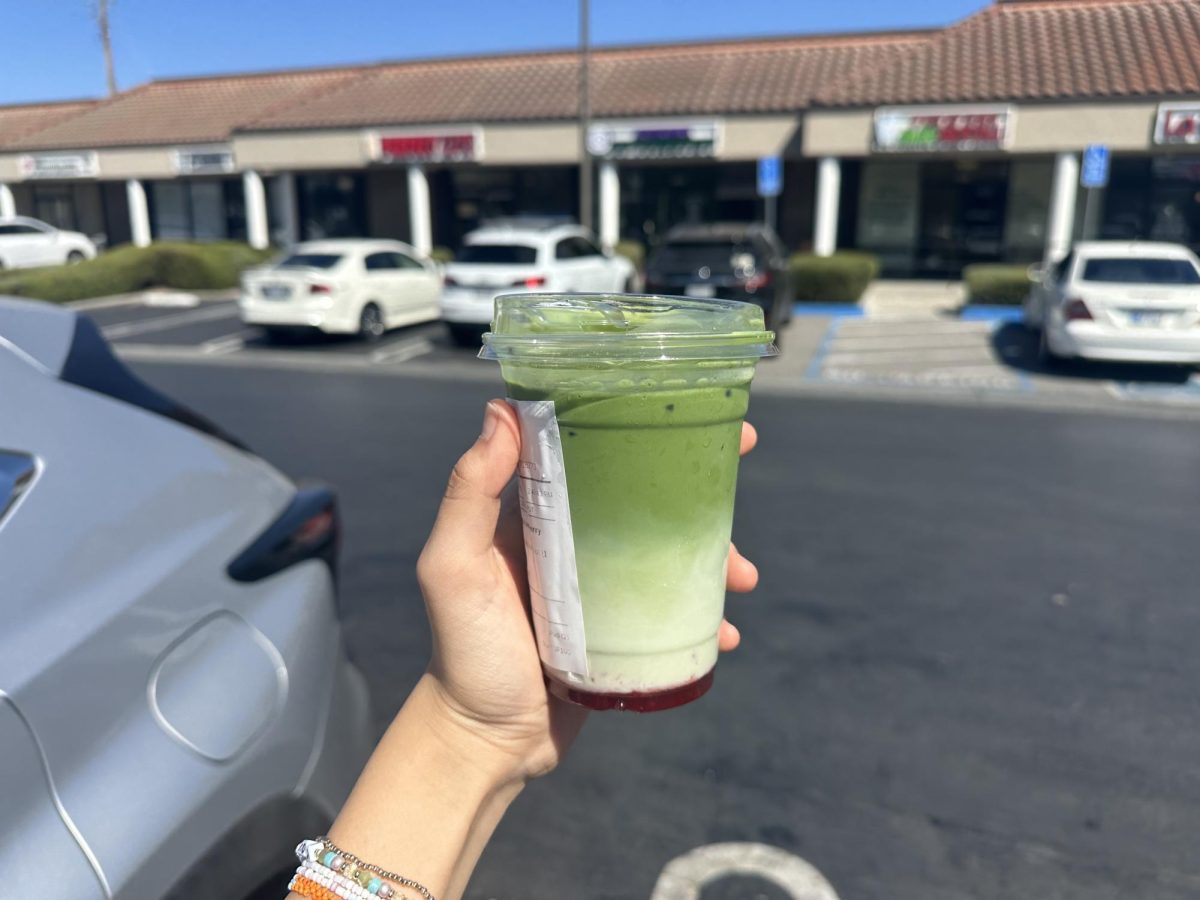
Personally, I recommend Ceré Tea, a tea shop around a 10-minute drive away from the school. Ceré Tea offers a wide variety of matcha drinks, ranging from their Strawberry Matcha Lattes to a Banana Pudding Matcha Einspänner, which is essentially a latte topped with whip cream. Additionally, Sue’s Gallery Cafe is a cafe I highly recommend for its hot matcha latte.
What truly differentiates tea shops like Ceré Tea from cafe chains like Starbucks is their attention to quality and detail. Ceré Tea employees whisk their matcha to ensure its deep flavor profile.
Overall, whether you’re looking for a gentle caffeine kick before a study session or simply enjoy the flavor, a well-made matcha latte (from a place like Ceré Tea) is a drink worth trying!
